


It feels like time for a quick update, so I’ll spend the last few minutes of the working day doing just that. Here’s a quick reminder of what the Claimed From Stationers’ Hall music research network is all about:-
The project is investigating the music deposited in the former British Copyright Libraries under the Queen Anne Copyright Act and subsequent legislation up to 1836, when most university libraries lost their legal deposit entitlement, receiving book grants instead. The repertoire largely dates from the late 1780s (when legal action clarified the entitlement of music to copyright protection) through to 1836.
The project aims to establish what exactly has survived; whether there are interesting survival patterns; and the histories of the music’s acquisition, curation and exploitation, not just in during that era, but also subsequently. It also aims to raise the profile of the material and to foster more engagement with it, both within and outwith academia; and the repertoire can be used to inform historical cultural perceptions which often became embedded into contemporary writings; for example, an idea very prevalent during the 19th century was that the English had no national music; and yet collections of national songs were very popular. Thus, both the fact that these books were popular, and our close reading of the paratext within individual volumes can be used to inform our modern-day understanding. But a nation’s music is not just “national songs”, of course – it’s the whole repertoire of music published within that country.
To date, I’ve visited the University Libraries of St Andrews, Edinburgh and Glasgow. I’ve been in touch with retired scholars from Aberdeen, and I’ve visited the National Library of Scotland. Next, I need to spread my wings south of the border, and hopefully after a few more such meetings, we’ll have a clearer idea of what we’d like to talk about when we plan a study day to be held in Spring 2018.
The exciting, and yet tantalising part of all these visits is the realisation that there is a lot to explore, but not being able to stop and do all the research then and there! For example, there are undoubtedly pieces of legal deposit music at the University of Edinburgh that aren’t labelled as such, but that appear in other copyright libraries and therefore probably arrived by the same means. I so long to find them all, or to encourage other people to find them! Similarly, the University of Glasgow has a very generous collection of copyright music – alluded to by the late 19th century author, W. P. Dickson amongst “works of fiction, juvenile literature, fugitive poetry, and music … issued yearly from the press” – but previously summarised by Divinity Professor Dr McGill in 1826 as “a great many idle books”. (Dickson, The Glasgow University Library, 1888 p.16) I’m eager to see if I can work out which volumes they might have been in before they were re-bound into their present volumes! Meanwhile, the National Library of Scotland has an online catalogue, a card catalogue, but also “the Victorian catalogue”. This I must see!
It is interesting to reflect that earlier musicologists have also had a hand in the arrangement and preservation of these materials. Cedric Thorpe Davie in St Andrews disbound some volumes, and moved pieces to different places in the library. Fourth Reid Professor Donaldson got involved with the Advocates’ collections in Edinburgh; Hans Gal had a go at listing some of the Edinburgh University Library Collections; and Henry Farmer spent some time in what for anyone else would have been retirement, as a music librarian at Glasgow University Library – one of the many careers in his portfolio! – and yes, he did some sorting out and rearranging, too. Whilst we sigh over the thought of original sources being shuffled, we also owe these chaps a debt of gratitude for taking care of them and ensuring that they were preserved at all.


The Pixis Variations Challenge
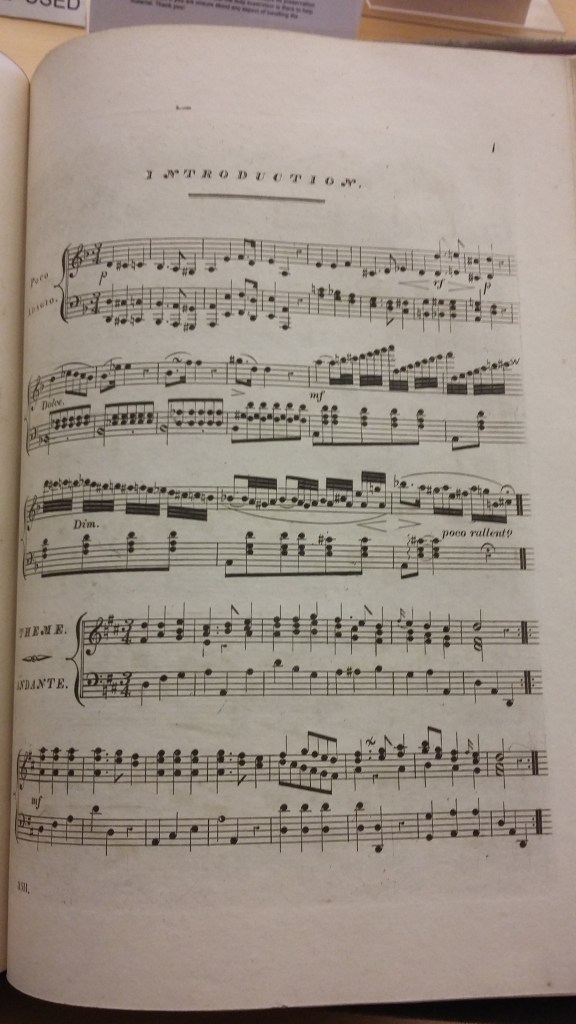
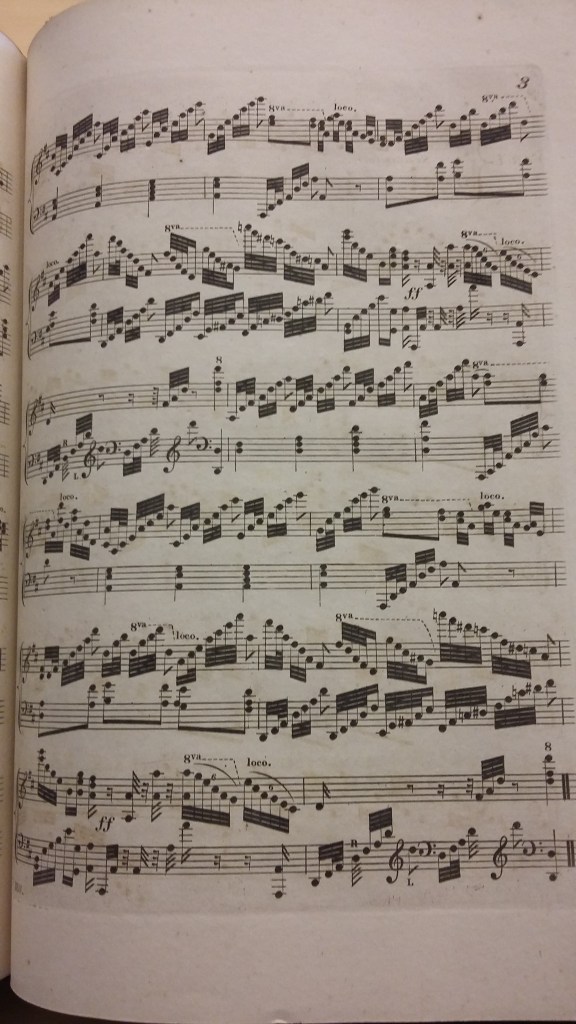
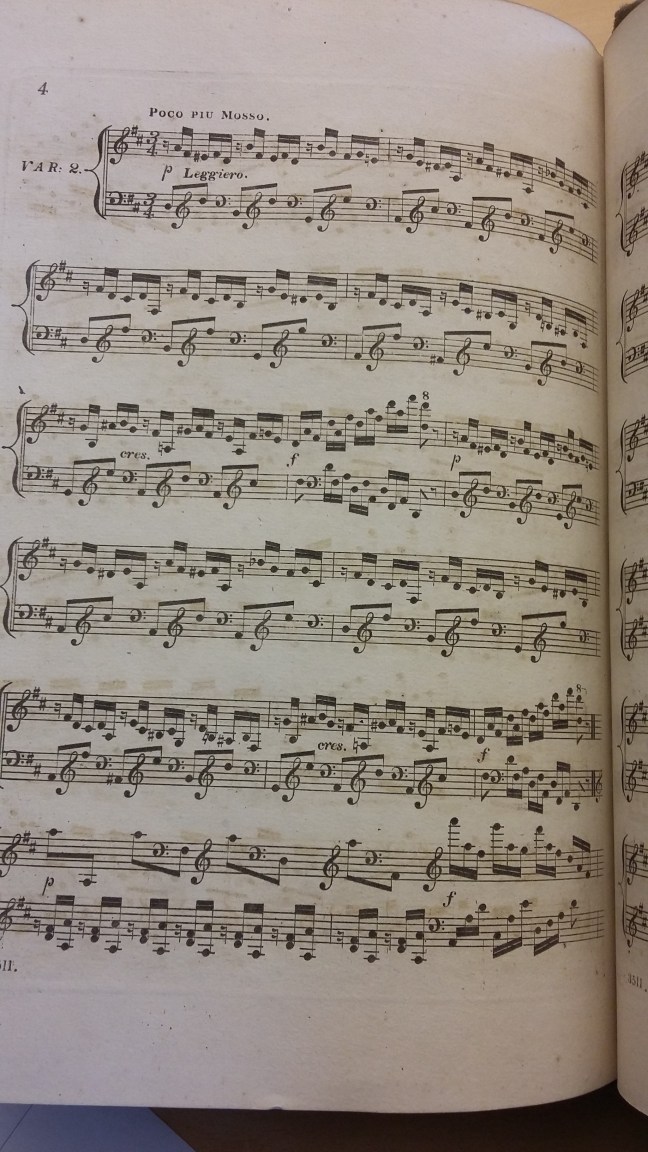
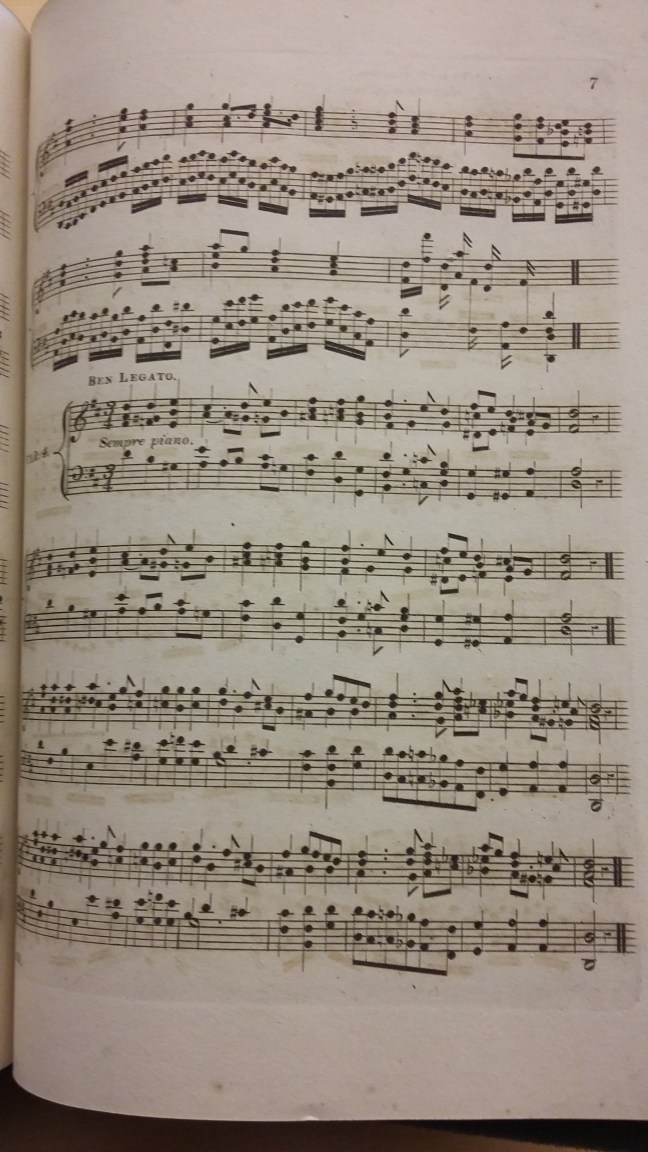
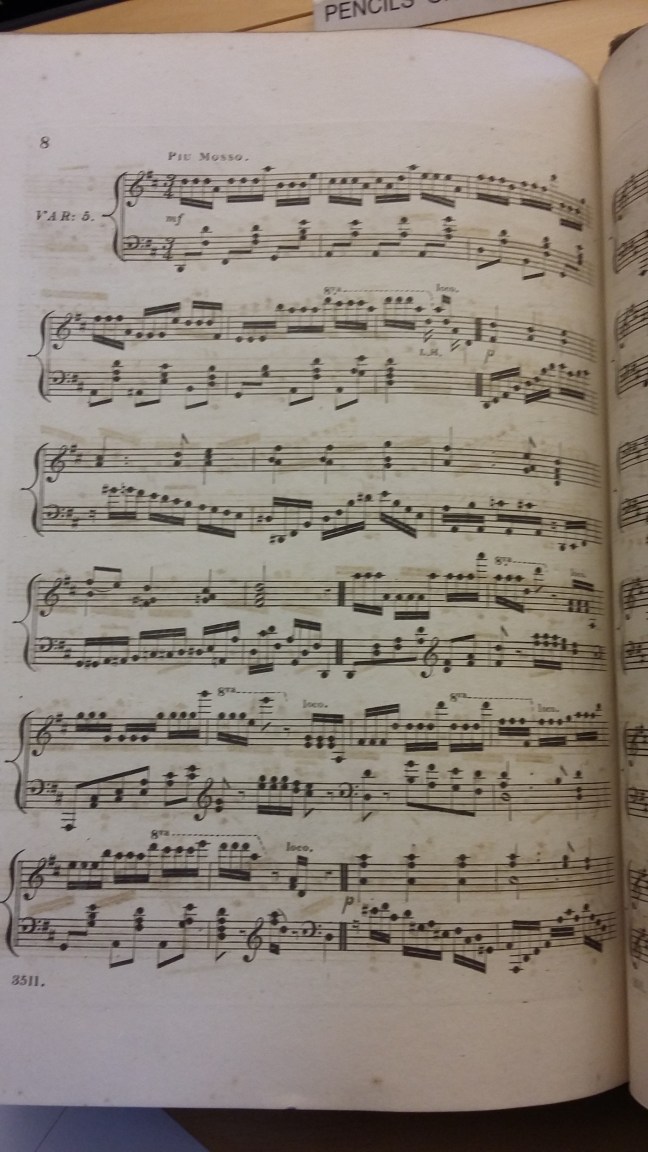
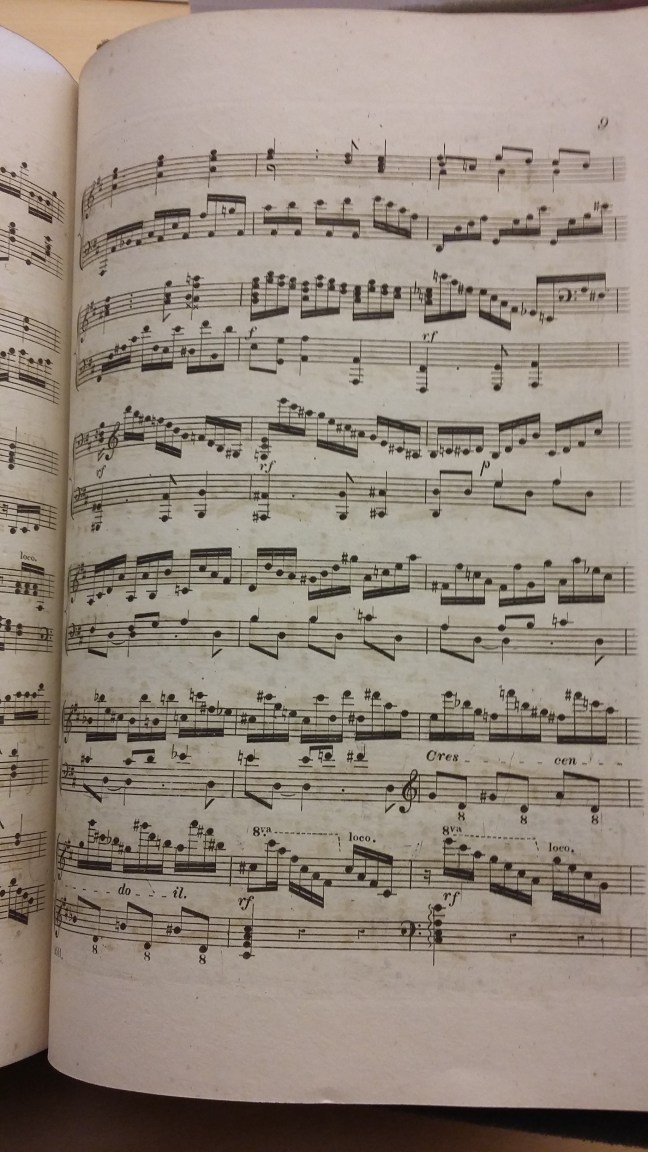
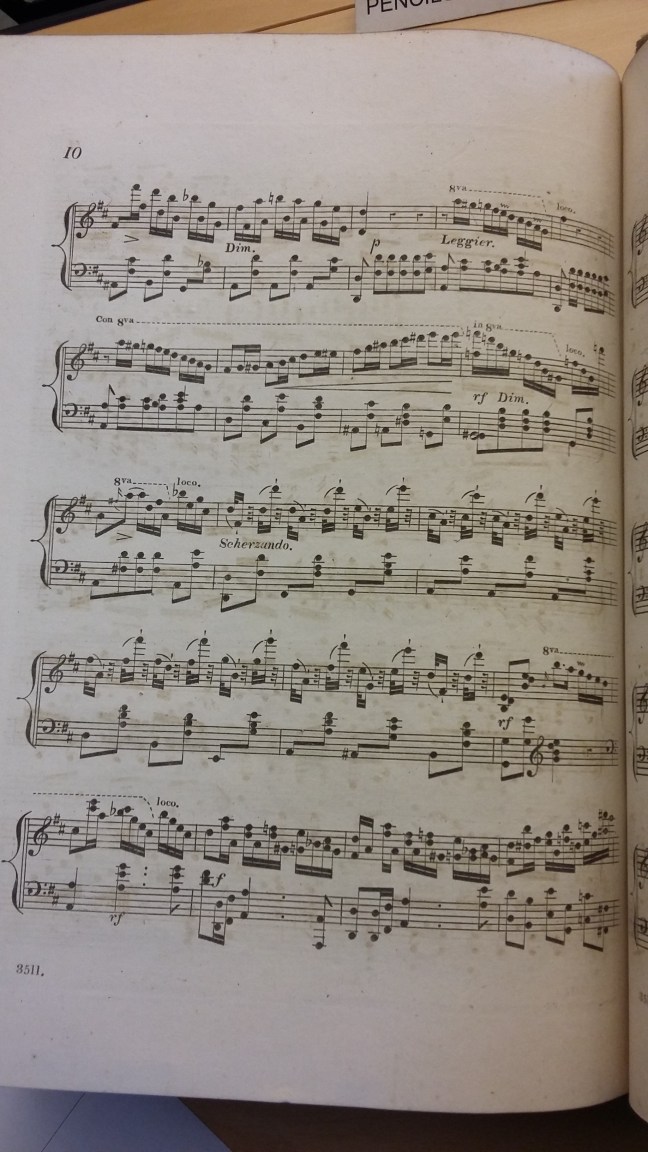
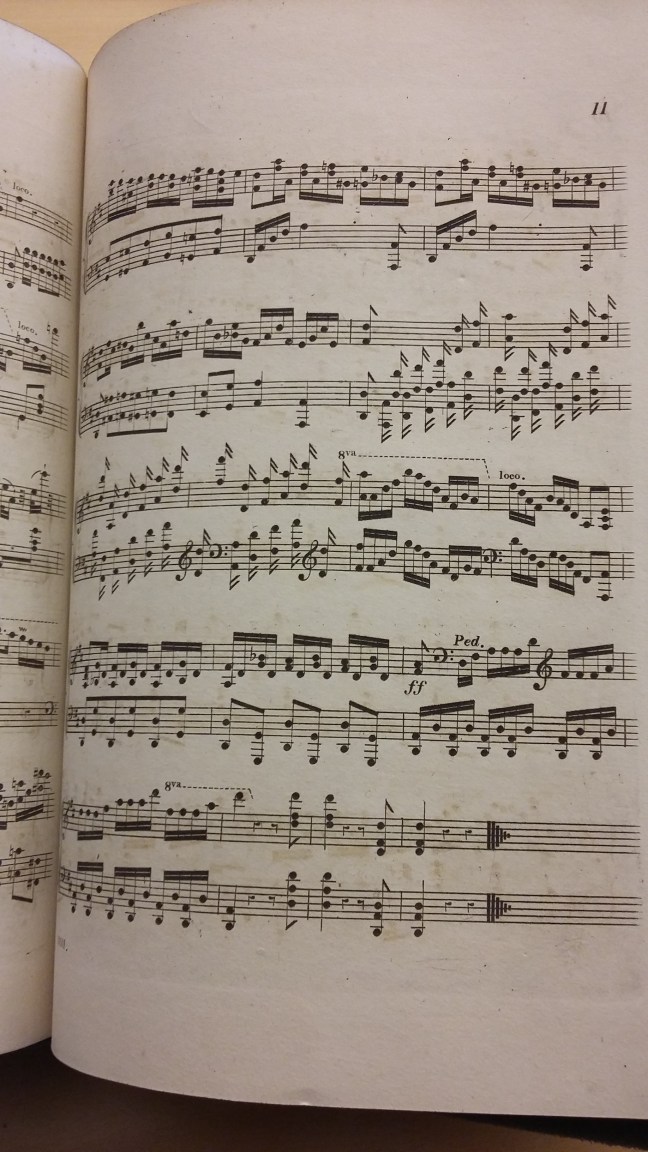
I long to play, or hear performed, some of these long-forgotten treasures. I’ve been generously allowed by the Special Collections department of Glasgow University Library, to share a set of piano variations by the now forgotten German composer, Pixis: Hommage a Clementi, which are actually based on the National Anthem, ‘God Save the King’. I’m putting them on our Twitter feed and Facebook page, one page at a time. At page 3, my pianistic skills are already being stretched beyond their comfort zone! I wonder if anyone will get to the end …. ? PLEASE let us know if you do!
Other pieces were undeniably less interesting. I tweet “on this day” posts about some of the pieces that were registered, just to give a flavour of what was being published. These references come with no value-judgements whatsoever! Luckily for me, I don’t have instant access to all these pieces, so I would only go out of my way to hunt down something that looked particularly intriguing.
Here, for the record, is the start of Pixis’s variations – I’ll add the rest in due course. Please do keep following the blog! And I’m pleased to say that it’s not long before the first of our guest postings will appear – a welcome change of “voice” and a fresh insight into a different aspect of this fascinating topic.



 Waiting with bated breath to see if I’ll make it to the antipodes, this week I continued my explorations closer to home, visiting the National Library of Scotland yesterday to investigate music committee meetings at the Advocates Library in 1831-2, and later in 1856. The Advocates Library (later to be absorbed into the National Library of Scotland) was one of the Scottish copyright libraries, so received the quarterly consignments of legal deposit materials, and indeed continued to receive them after the legislation had stripped most universities of legal deposit entitlements in 1836.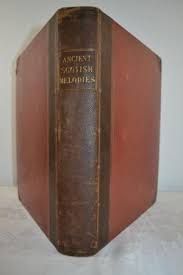
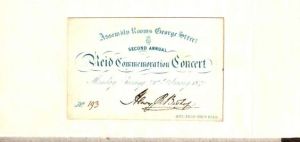 to be sure of his identity, though there certainly
 Karen McAulay, Musicologist