Dr Karen McAulay explores the history of Scottish music collecting, publishing and national identity from the 18th to 20th centuries. Research Fellow at Royal Conservatoire of Scotland, author of two Routledge monographs.
I forgot to add .. the decorating delays are apparently our fault for having so much stuff. It’s my books and music in the dining room that the painter’s alluding to. (He has no idea about Himself’s collection, many of which were originally secretly delivered to his workplace so that I wouldn’t see them, and are now scattered in various parts of the house.)
Last November, one of the electricians also innocently asked why I had so many books. I answered lamely, ‘Well, so I could write these two.’ Which didn’t seem terribly convincing to me, but seemed to satisfy him!
Scholar
Former librarian
Organist
Writes books about music books …
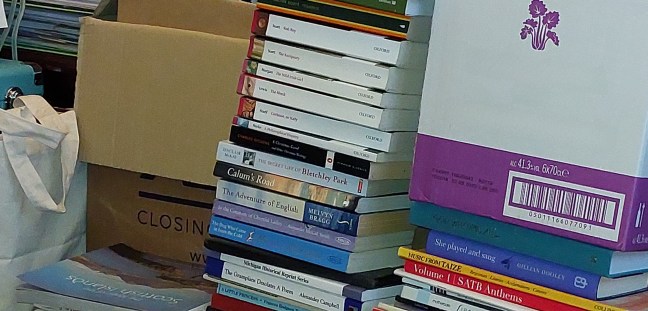
I don’t feel guilty about the books, but I really must reduce the collection before my family have to clear the house once I’m gone! Some are going on eBay, others to the charity shop.
I’m working, but my mind is scattered and my physical surroundings are a nightmare. This is not the place to describe the unique hell of a redecorating project where everything is in boxes, piles or under dustcloths; floors are paint-and-plaster-dusty; deadlines are consistently missed; explanations are sketchy; and it emerges that the 9-5 by which I have structured the past 42 years is a concept entirely alien to our decorator. As is the concept of Monday-to-Friday. Hence the total absence of workers today.
Lounge? LIVING Room?
Throughout the pandemic, I managed the 9-5 quite effectively from my home-office alcove. Small, cramped, but entirely within my control. Take me out of my alcove into another room in which one can neither lounge nor live comfortably, and I am like a fish out of water. I need two small coffee tables – but the tables are glass – the mouse is ill-at-ease on them. And I’m accustomed to using a mouse rather than the trackpad. Makeshift arrangements make this just about workable. I have carved out a whole morning of peace and solitude, and by and large, it’s working.
Yes, it’s stressful. And I’m not alone – I live in Testosterone Towers, where habitual stress is bad enough, but habitual + domestic upheaval stress makes things extraordinarily difficult, and my caring responsibilities are challenged to the max. (Remember, I said that I’m annoying? I am reportedly becoming more annoying by the day, and I don’t seem able to help myself inadvertently doing it. It’s not that I don’t try to be good, either.)
Can I blog about research today? No, I don’t think I can. I’ve just ordered all the tech I need for my forthcoming oral history project – that felt like quite an achievement! – and I have just received a wee book that a kind Ancestry-user sent me about their ancestor, who happens to have been the brother of the professor I was researching in my post-Christmas idleness. The best thing I can do this morning is to read it from cover-to-cover, then get back to compiling a repertoire list that I started last night. (My need to occupy the lounge – ha! lounge?! – may be keeping Testosterone Towers from their daytime TV, but last night I found I could perform activities like searching the British Newspaper Archive quite effectively, whilst ignoring the TV entirely, happy in the knowledge that Testosterone Towers is not being inconvenienced at all.)
I saw an academic event on Eventbrite that I’d have liked to sign up to, even if it’s a non-working day. I dare not sign up to it. I can’t imagine the redecorating being finished by Tuesday.
My apologies for moaning. Maybe things will be better by this time next week!
Published online today, 12 January 2026, in the RMA (Royal Musical Association) Research Chronicle, by Cambridge University Press, on Open Access:-click here.
Writing this article was enormously fulfilling. I had encountered these ladies whilst researching my latest monograph, and I became convinced that they deserved profiling in their own right, and not merely as bit-parts in the larger picture occupied by their husbands, fathers and brothers.
The kernel of the abstract states that, ‘This article focuses on a group of Scottish women who did not make their names solely as art music composers or stellar performers, and for whom piano teaching was only part of their musical work. Four were related to the Scottish music publishers Mozart Allan, James Kerr, and the Logan brothers; the fifth published with Allan and Kerr, and also self-published.’
And all had fulfilling portfolio musical careers. Read on, and I’m sure you’ll agree!
Followers of this blog will recall that our Edwardian home was rewired at the end of November. ‘We’ don’t take kindly to upheaval, of which there was plenty, so I had to unpack and put back a lot of goods (including hundreds of books) afterwards – notwithstanding the need for remedial decorating – in order to make the place bearable for Christmas. Note the ‘We’ and the ‘I’.
Redecorate: Magnolia and White
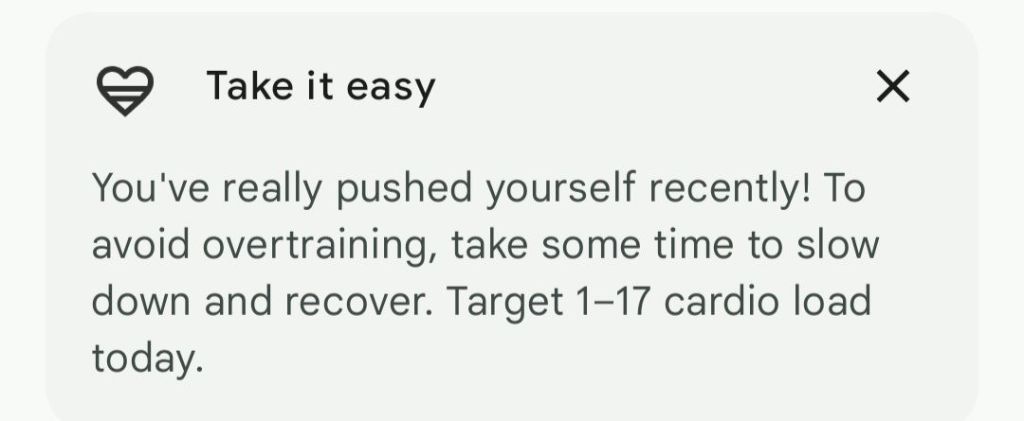
Today, the remedial redecorating commences (not a DIY effort), so I’ve been repacking goods all over again. I’m the youngish, averagely fit one – and I’m already knackered! Even my FitBit agrees. My back has only just recovered from November/December; my fingers are sore; I’ve run out of empty boxes (how, I can’t imagine); and am almost out of floor on which to stack stuff. We have too much stuff.
I have done my employed research for the week. Does anyone else working from home recognise this kind of thing?
‘I thought you might have started cooking dinner by now?’
‘But I work until 5 …’
And I did work. Then I cooked. Then I packed and stacked, and continued stacking and packing this morning. The lounge looks like a library on the move – and is now so much smaller, in terms of cubic air volume, that it’s actually perceptibly warmer with the same heater settings.
But even women who feel as though they’ve been dragged kicking and screaming back to the 1970s, against their will, have their limits. The kitchen is being decorated first, so it’s fish and chips for tea. There will be no cooking here.
Research?
I’m only contemplating research to the extent of acquiring a decent recording device this weekend! I’m starting an exciting new research project soon, and as soon as the ethical approval process is complete, I’ll be raring to go. Monday will see the Magnolia and White project going on elsewhere in the house – hopefully my own working environment will by then be spick-and-span – with me sitting enjoying remote training to ensure that the new research project goes well.
Now, what colour shall I inject into my magnolia and white dining room to make it a joyful zone in which to work …?
Remembering my fruitful walk on 3 January 2023, I looked outside today – yes, the third of January again – saw the sun shining (athough the temperature was literally freezing out there), and decided to go on another research-and-exercise outing. What could possibly go wrong?
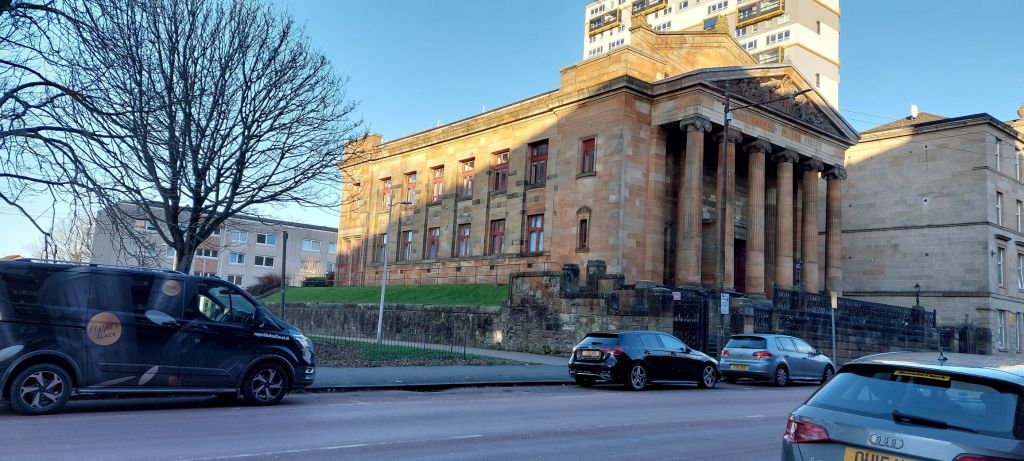
I’ve been exploring the story of a Victorian Glasgow music professor, so I headed for St George’s Cross by subway, to see a former church where he had once been organist. He had started his tenure in an earlier building, which was burned down in a fire, but a new one was built in a mere two years, so he must have resumed duties at that point. I already knew that, as with organist Maggie Thomson’s Paisley church, this Glasgow church had likewise now been converted into rather classy flats.
St George’s-in-the-Fields, Glasgow
Unperturbed, I headed next to the Mitchell Library, and up to the fourth floor where the old music card catalogue lives; it has never been digitized. This eminent individual certainly composed enough, but mostly in a light-music vein, and not published by any of Glasgow’s bigger music publishers. However, I was still surprised to discover that he is completely unrepresented in the card catalogue.
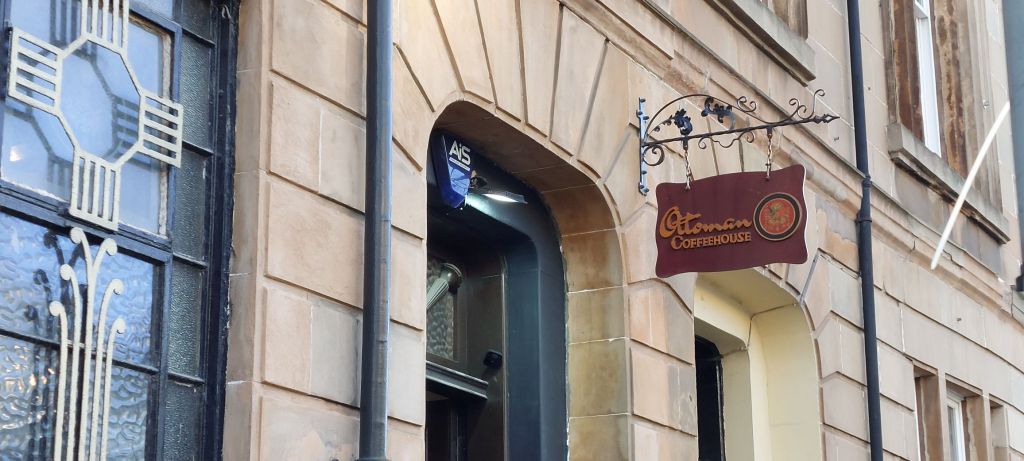
Ottoman Coffeehouse
To drown my sorrows, I headed next to a celebrated Turkish coffee shop in Berkeley Street. (The premises had once been a club for Glasgow musicians, and our hero had been included in a song-book that they sponsored; clearly I needed to have a coffee there in his honour.) Foiled again! There was a queue out to the pavement, just to get inside the cafe. Back I went to the Mitchell Library cafe, to get my coffee more quickly!
It was still bright and sunny outside, so my next port-of-call was India Street (on the opposite side of the M8, near Charing Cross station). This had been both of professional significance and latterly home to our hero, and although I knew modern developments had taken place, I still hoped that I might be able to walk the length of the street. Thwarted! Scottish Power sits squatly and solidly across the line of the road, and pedestrian access is blocked by ongoing building works before you even get to it.
I could have headed into the city centre to gaze at the Athenaeum, but I’ve passed it hundreds of times, and there are plenty of pictures on the web – it wouldn’t have felt like much of a discovery. Sighing – for the mere glimpse of a road sign at the wrong end of India Street had not exactly thrilled me – I headed for the bus home.
But fate had one more twist for me: whilst I was looking on the travel app to find out when the next bus was due …
… the next bus sailed past my stop.
I decided that maybe walking briskly to the Subway would be quicker than waiting for another bus. At least the Subway dates from the era when our hero was in his prime and doing well.
‘How did you get on?’, I was asked, when I got back home. I was forced to admit that, apart from St-George’s-in-the-Fields, I had really seen virtually nothing.
On the plus side, my FitBit is as happy as Larry. Finally, it said, she has realised that Christmas is over, and it’s time for the healthy living to resume!
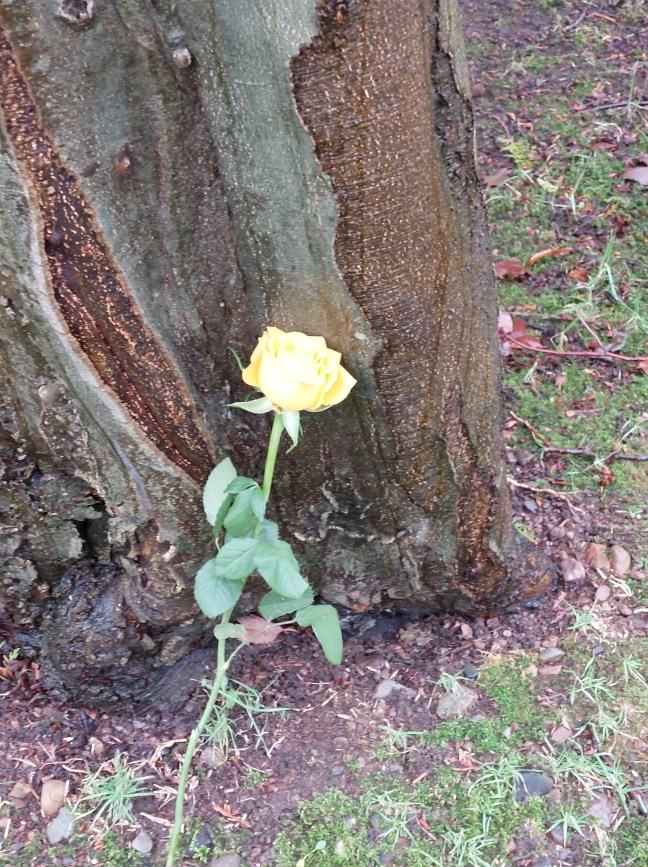
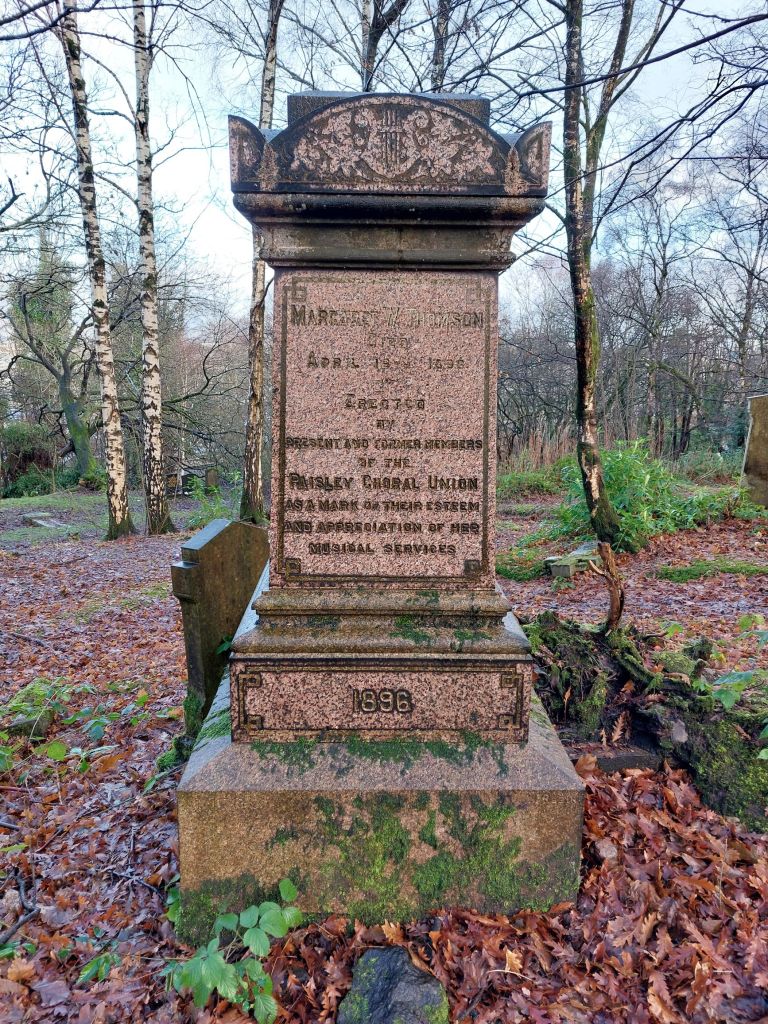
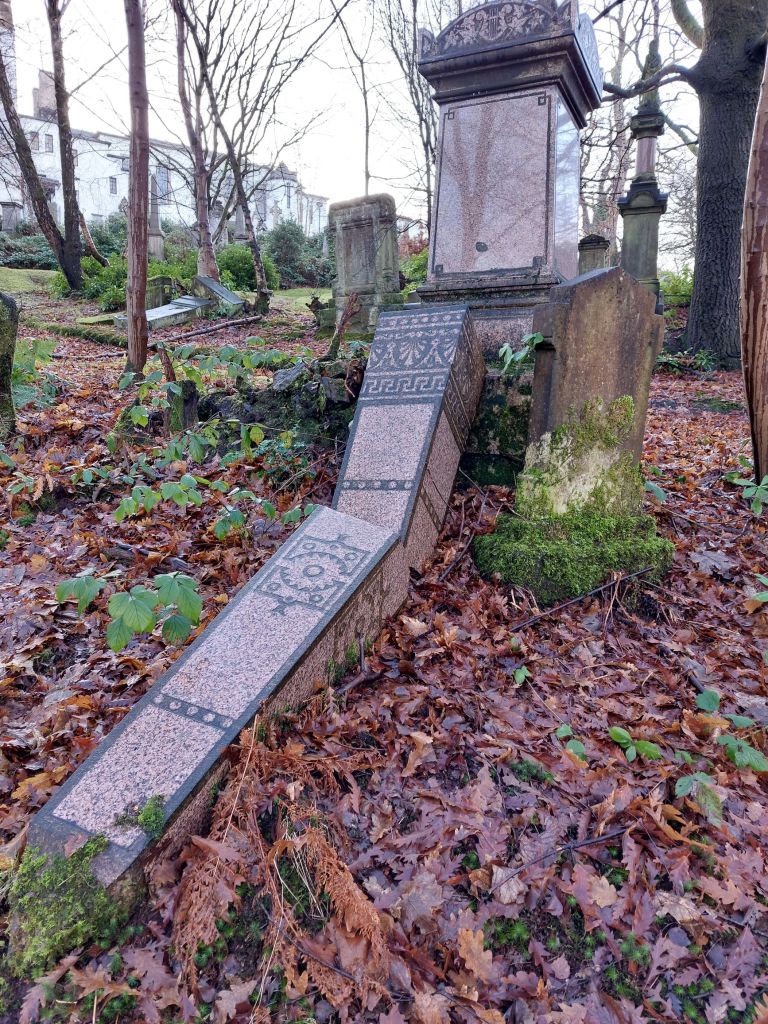
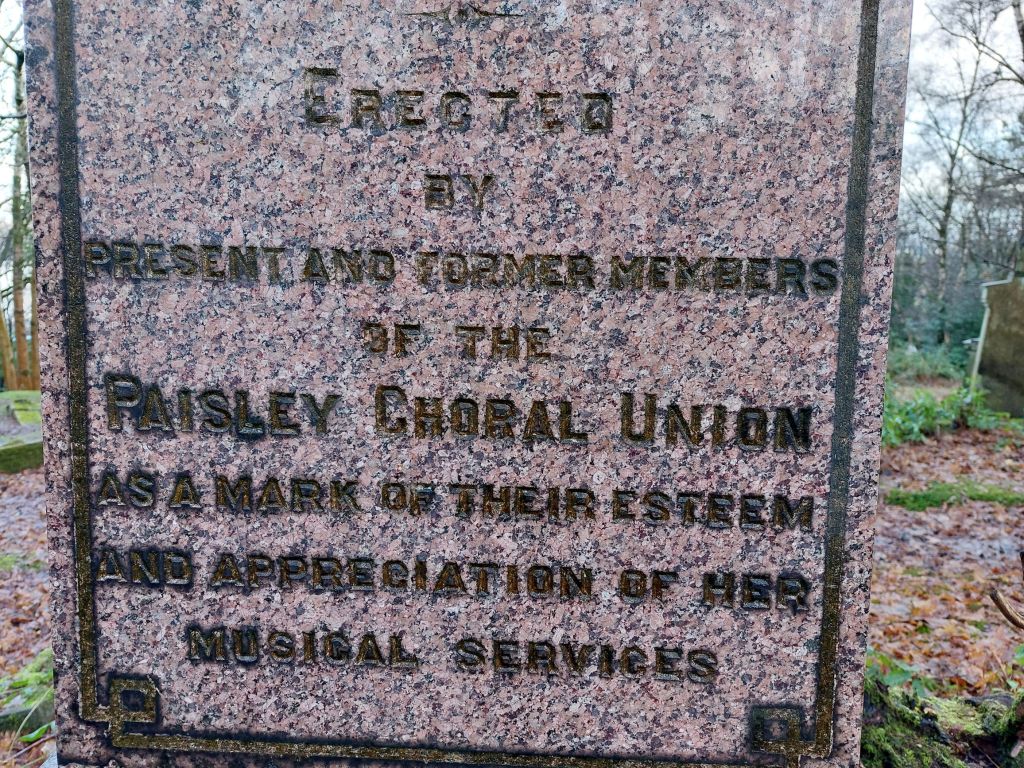
On this day, 3 January 2023, I went in search of this late Victorian lady’s grave in a Paisley cemetery. She’d been a noted local celebrity, reputed to be the best accompanist in the town. Sadly, she lost her mind to grief after her mother’s death, and died in an asylum.
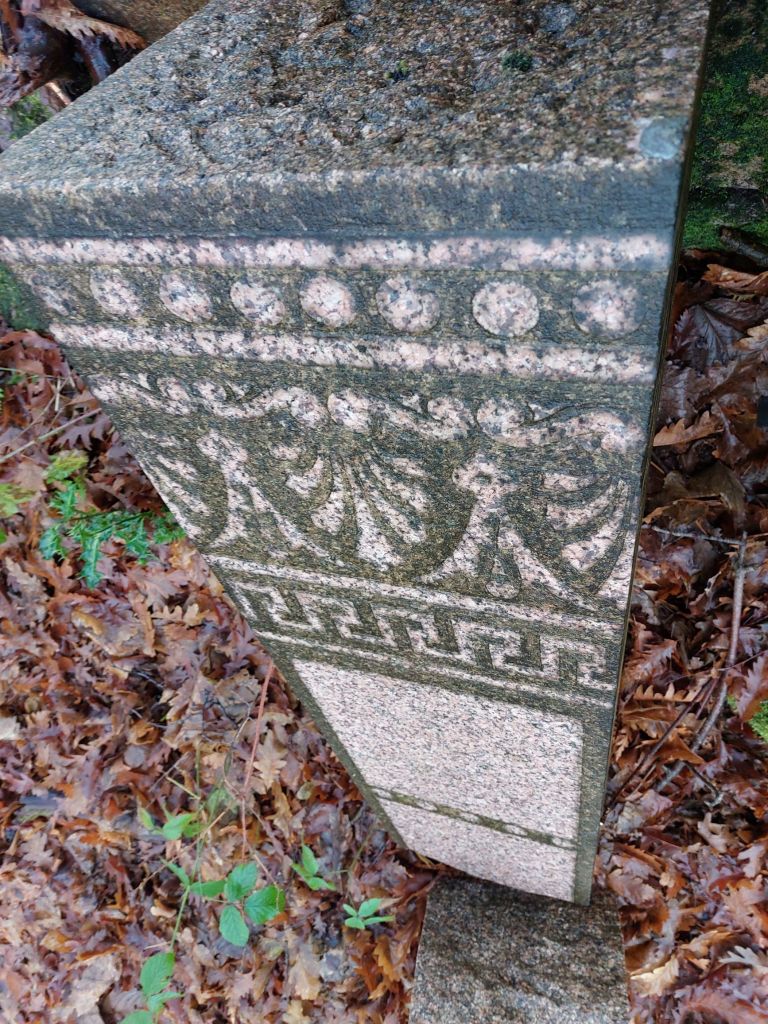
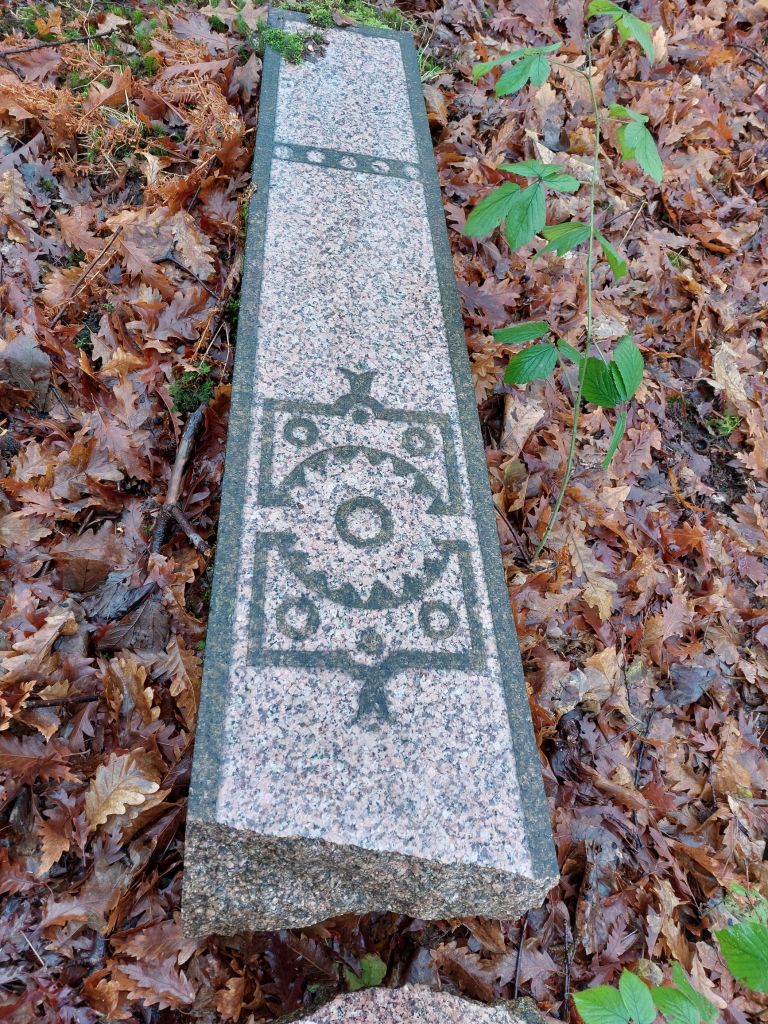
The gravestone was extravagantly impressive – even though the obelisk has sadly been taken down for health and safety reasons.
Nonetheless, her story is interesting and moving, and her connection with Paisley publisher Parlane ensured her a mention in my book.
I also wrote a more detailed biographical article for the Glasgow Society of Organists, and reproduced it in this blog.
Postscript. I went on another 3rd January expedition this afternoon. More of that another day!
So, 202 years ago today, William Motherwell received Smith’s letter with accompanying draft preface. He would attend to the Scotish Minstrel Preface, he assured Smith. But …
… it would take him a week to get over his Hogmanay celebrations.
However much had he celebrated? Too hungover to do the task, but capable of writing back immediately?
Musician Robert Archibald Smith edited six volumes of The Scotish Minstrel(yes, Scotish) between 1820-1824. It was a project coordinated by Lady Carolina Nairne and her committee of ladies.
On this day, 1 January 1824, Smith wrote to William Motherwell, who was supposed to be writing a preface for them. To speed things up, the ladies had written text that Motherwell was now asked to edit as he saw fit.
Motherwell did reply by return of post, but not with the edited preface. However, that’s a story for tomorrow!
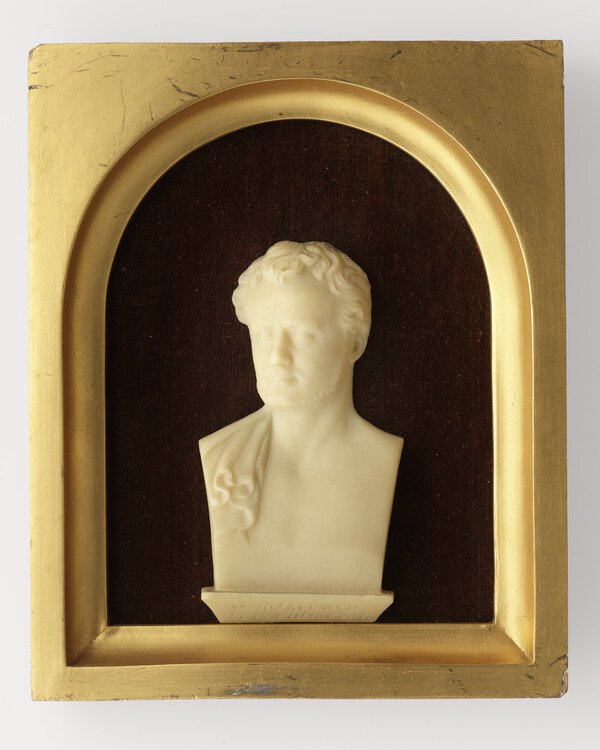
Image of William Motherwell, from National Galleries of Scotland
As I’ve mentioned before, I have mixed feelings about this kind of thing. Outwardly, it smacks uncomfortably of, ‘Look at all my Achievements!!!’ Inwardly, I ask myself if I’ve done enough. Could I have tried harder? (I was brought up with, ‘So long as you know you’ve done your best’, but the unspoken suggestion was often that maybe I could and should have tried harder still!)
Sunshine
In a year of highs and lows, this really has been a rollercoaster. I joyously welcomed the publication of my second Routledge monograph. I was also delighted to accept a visiting Fellowship at IASH (the Institute for Advanced Studies in the Humanities, at the University of Edinburgh), where I explored the Thomas Nelson archives – with more ideas arising out of this.
A Social History of Amateur Music-Making and Scottish National Identity: Scotland’s Printed Music, 1880-1951 (Routledge, 2025)
I saw three articles published, gave a paper at a conference in Surrey, and have another two articles and a contributed book chapter in the pipeline.
Article, ‘Heart-Moving Stories’ illustrated by Magic Lantern’, The Magic Lantern no.45, December 2025, pp. 11-12 (ISSN 2057-3723)
‘Sir John Macgregor Murray: Preserver of Highland Culture, Music and Song’. Folk Music Journal vol. 13 (2025) no.1, pp.50-63.
‘The ‘Scottish Soprano’ and the ‘Voice of Scotland’: the Importance of Nationality to Flora Woodman and Robert Wilson’, History Scotland Vol.25 no.1 (Spring 2025), 74-81 (accessible online via public library e-magazine apps, or you may be able to order a paper copy online.)
Conference paper, ‘Comparing the Career Trajectories of Two Scottish Singers: Flora Woodman and Robert Wilson’, at the University of Surrey: Actors, Singers and Celebrity Cultures across the Centuries, Thursday 12 to Saturday 14 June 2025, organised under the aegis of the University’s Theatrical Voice Research Centre.
I also finished supervising and assessing some Honours students’ research projects – an enjoyable new experience. Having been an ‘Alt-Ac’ since gaining my doctorate in 2009, I had acquired a PGCert and FHEA, but teaching opportunities outside libraryland were infrequent. Being semi-retired certainly opens up new possibilities, and I’m happy to consider other opportunities.
And I have been awarded an Athenaeum Award from my home institution, the Royal Conservatoire of Scotland, for an oral history project in Dundee. That will begin as soon as the ethical approval process has been completed.
Clouds
However, as well as the professional highs, were the personal lows. In the middle of the year, we lost my mum at the age of 94, and this was far from the only upheaval on the family front. It has not been an easy year.
It would be inaccurate to say that I’m glad to see the back of 2025, because there has been much to celebrate. But, whilst I do hope that 2026 might be less of a bumpy ride, I realise that some things are beyond my control. ‘Trying hard enough’ isn’t always sufficient guarantee, and some things will be difficult no matter what I do. Shall we say that I hope the good outweighs the less good?!
If you’ve made any kind of study of Scottish songs and fiddle tunes, you’ll know that collector Andrew Wighton (1804-1866) bequeathed his fantastic music collection to the City of Dundee. As the Friends of Wighton website says, ‘Andrew J Wighton (1804-1866) was a merchant in Dundee. He built a music collection which is now of international renown and importance. After his death, his Trustees donated the music to the then Free Library in Dundee’. The Friends of Wighton is a charity which exists to promote the collection and the performance and study of Scottish music. I’m proud to be the honorary librarian.
On 31 December 1855, Wighton’s Aberdonian friend James Davie wrote to him observing that Wighton must, by now, have,
… the finest collection of old [Scottish] music in the three kingdoms.
You only have to look at the online catalogue today to see that Davie was perfectly accurate in his observation!








 Karen McAulay, Musicologist