Print and Tourism

I have contributed a chapter to a forthcoming collection on Print and Tourism, which is being published by Peter Lang.  The completed manuscript will soon be going to the publishers, which is very exciting.  You might ask what a musicologist was doing, writing about print and tourism?  Well, it won’t be long before all is revealed. 

I had enormous fun writing this chapter, and I think folk will enjoy reading it.  It’s different.  Well, that’s hardly surprising, given the subject matter, but I’ve placed it in a wider cultural context than my usual more musicological offerings, and I’m really looking forward to seeing it in print.

A Question for You: What’s significant?

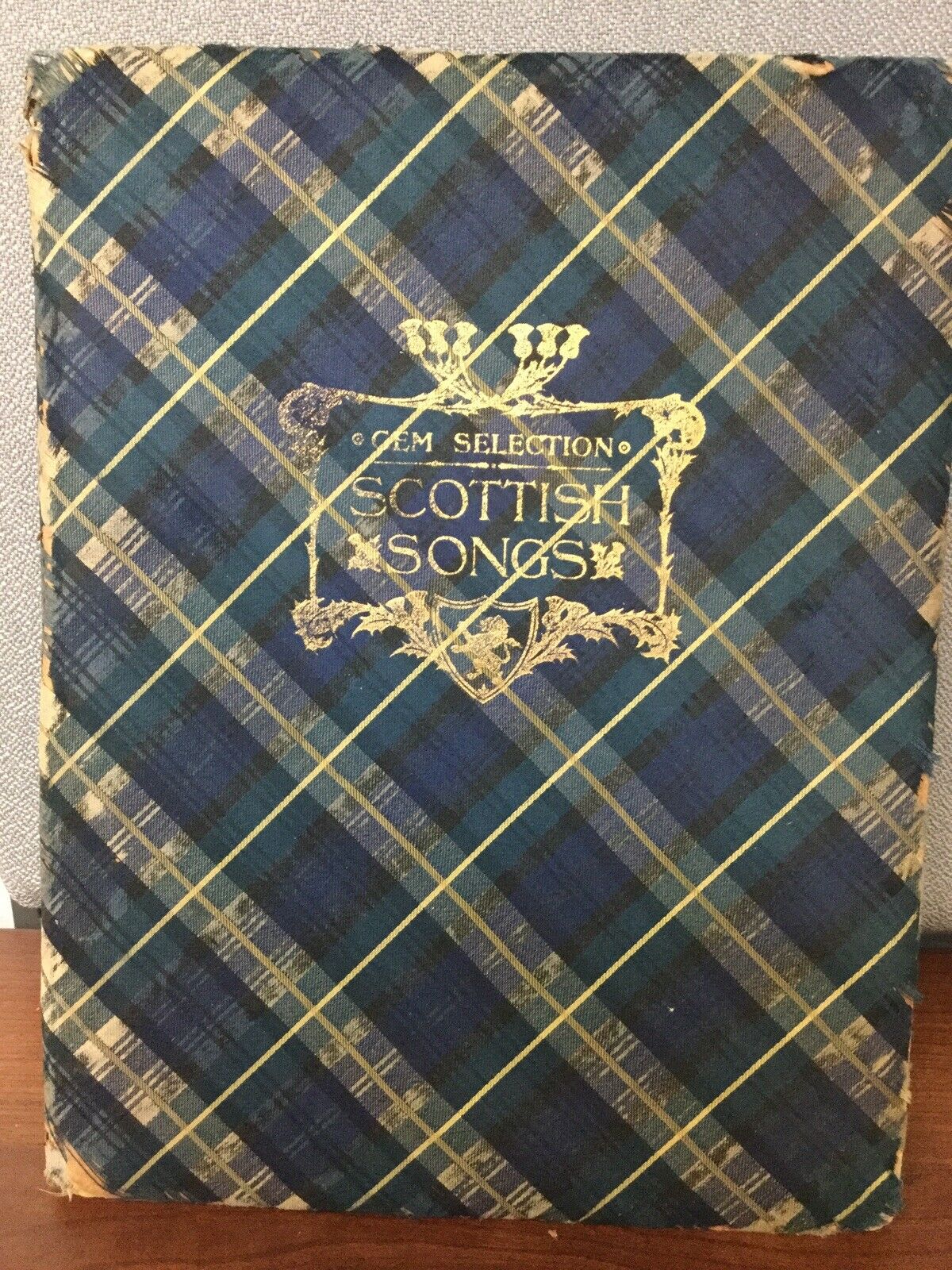
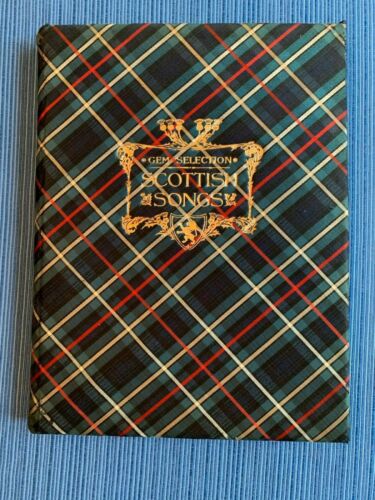
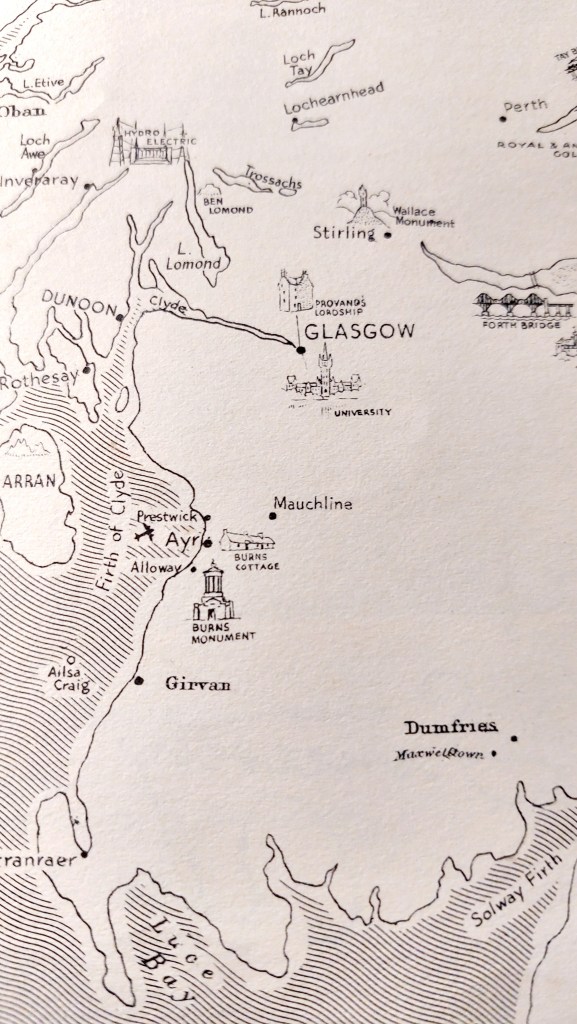
The topic arose from a book I acquired during lockdown.  Ironically, it was only a couple of weeks ago that it dawned on me that not only would we need to buy the essay collection for RCS’s library, but we’d also need a copy of the book which inspired it! I can’t think why that didn’t occur to me sooner, but it is on order and on its way, so I’ll be cataloguing it very soon. We’ll have it well before the essay collection is finally published!

So, your challenge is this: Can you work out what is significant about this map?!

I would never, ever have dreamed, when I went to Exeter to start my first, unfinished doctoral studies on mediaeval English plainsong and polyphony, that I would end up completing a different PhD thirty years on, and writing and being published on such a very different topic!

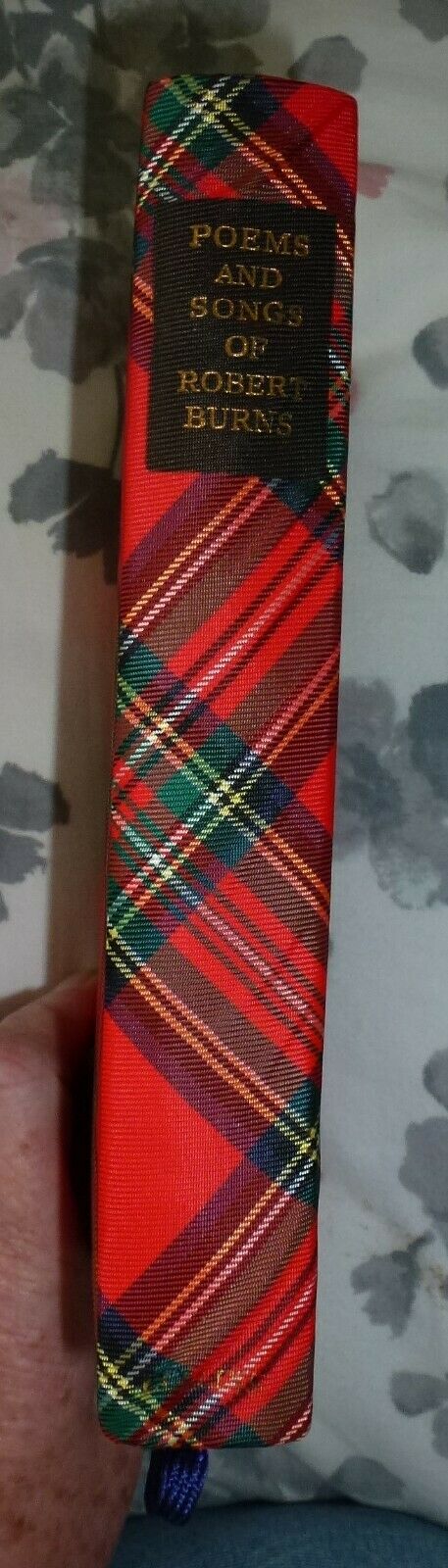
Don’t Judge a Book by its Cover

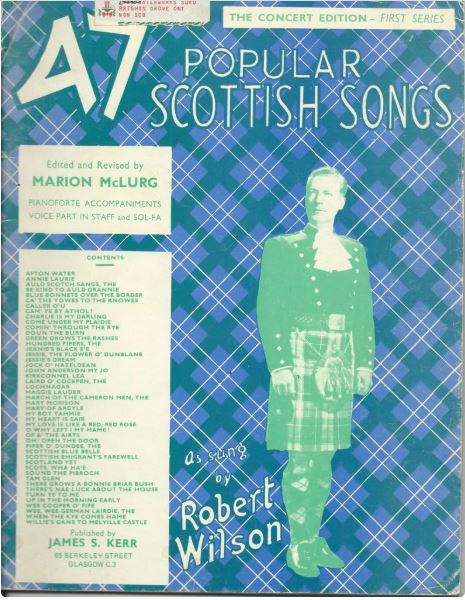
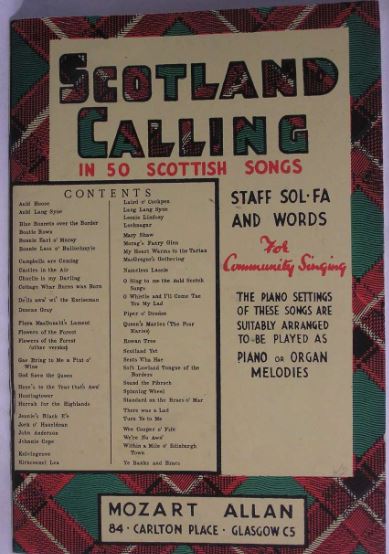
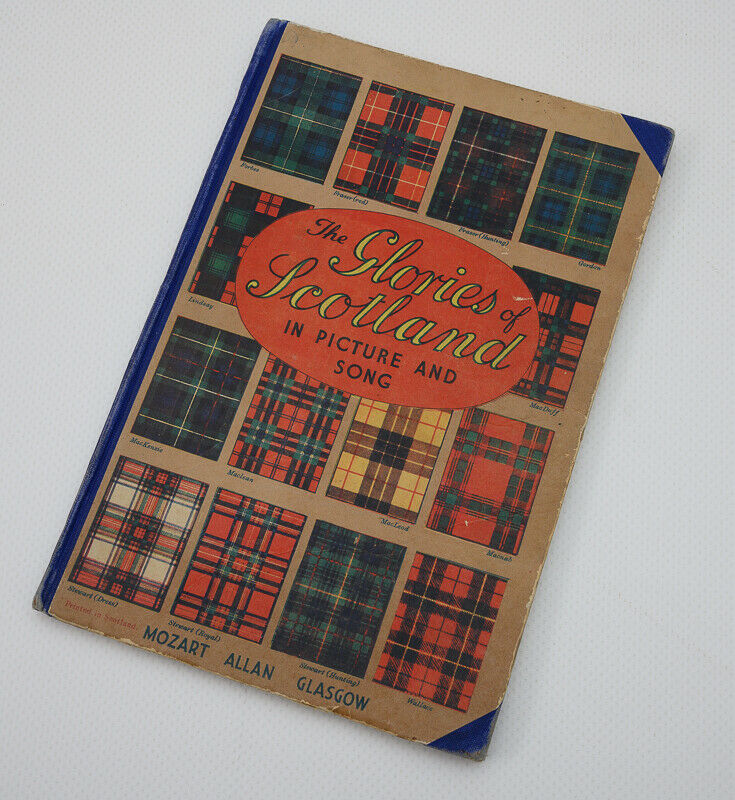
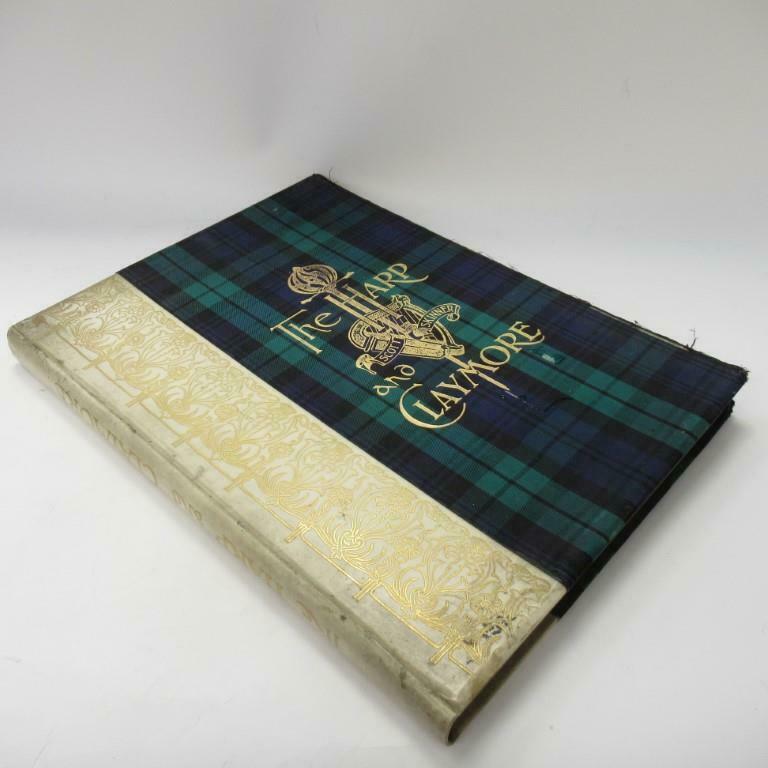
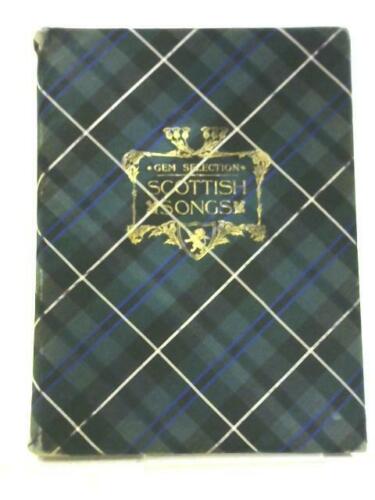
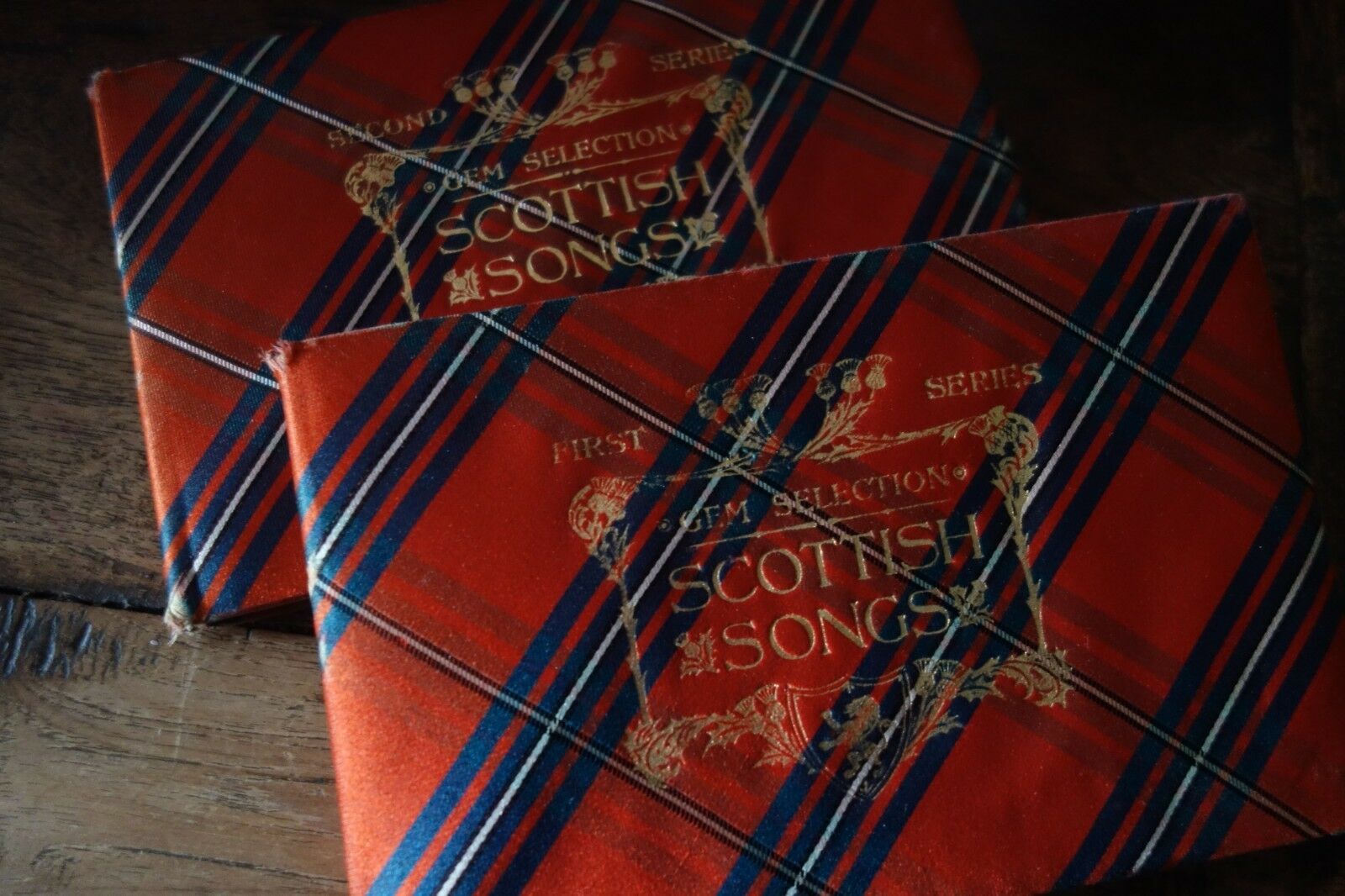
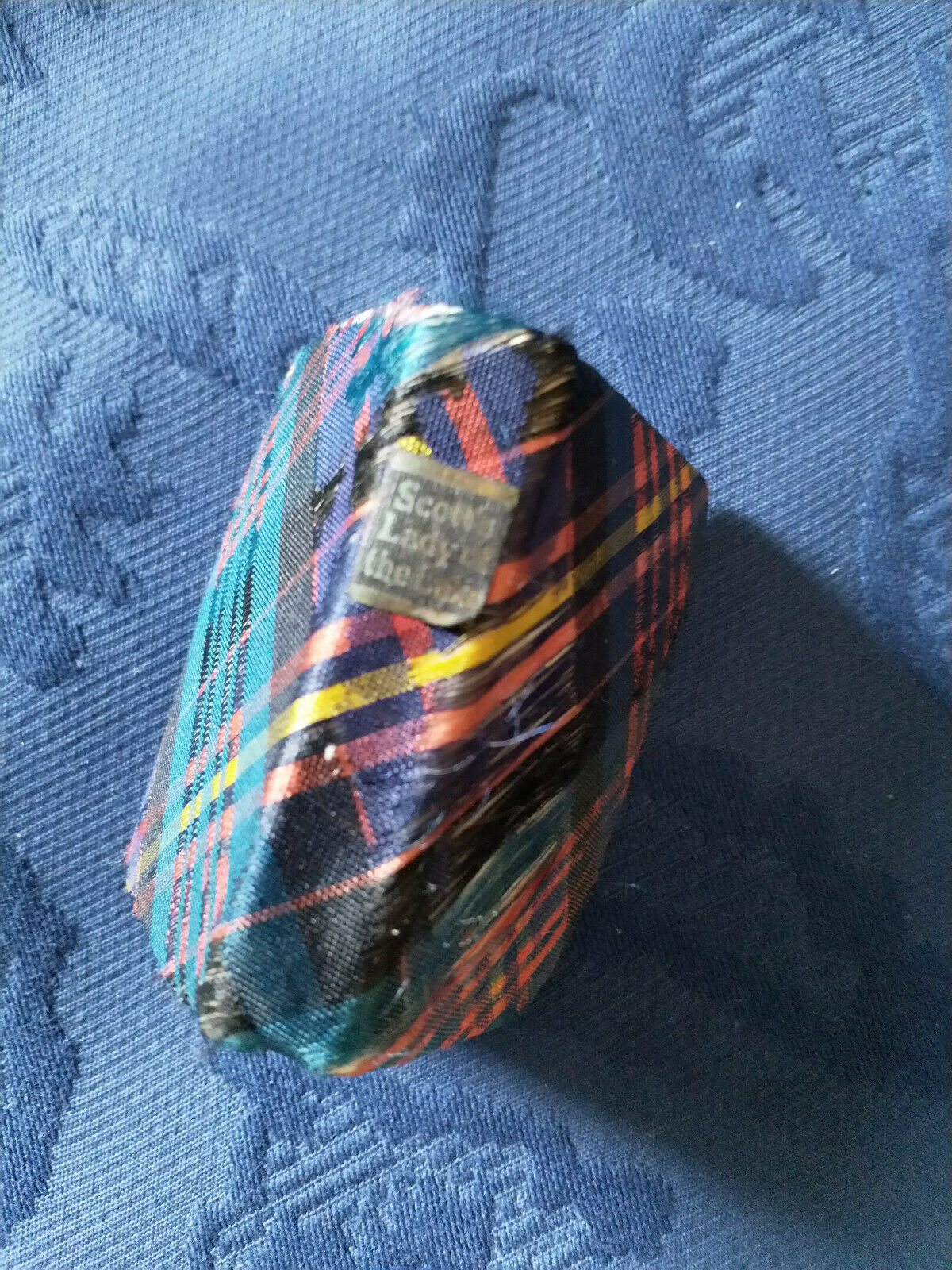
So they say! Very well, but whatever the era, and the differing nuances in the contents, there’s no denying tartan was often used as a cover for books of Scottish songs, Scottish poems, stuff by Robert Burns, stuff by Walter Scott (there was a firm specialising in miniatures, like this picture of Scott’s The Lady in the Lake ballad, no music here) …

Experimenting with Animation

Could you use a couple of absolutely miniscule videos to tell people about the Claimed From Stationers’ Hall research network?

Educationalists don’t entirely agree with the concept of learning styles these days, but in my librarian-as-educationalist capacity I have learned that people do value having access to a variety of formats when it comes to learning about new stuff.  The other day, I was experimenting with a newly-discovered facility for creating very short animated videos.  (Yes, I spend my weekends in odd ways.)

I can see potential uses for Biteable.com, but the major hurdle is deciding which template to use.  Although you start by deciding the purpose of your video, it isn’t immediately apparent how many screens each template offers you, nor what the images are going to look like! Maybe it’s because I was playing around with the free version.

[PS a few days later – I now know that starting a video from scratch means you get to choose how many frames to use, and you can also choose which templates to use, though you lose the chirpy little animated people.  Moreover, you can upload your own music.  THAT makes things much more fun!]

Anyway, my playful Sunday evening resulted in two short videos about the Claimed From Stationers’ Hall network.

  • My first attempt was Claimed From Stationers’ Hall: a Research Network, which explains how the network came into being.
  • Next came  Out of the Stacks,  which is about the repertoire itself, and its value.  Trust me, the videoclip is as short as can be and takes only seconds to view!  I managed to get my own images into this one, which was a bonus.
  • I’ve a feeling I can only create a few videoclips a month for free, so you have my assurance I won’t be cluttering this blog with Biteable videos!