

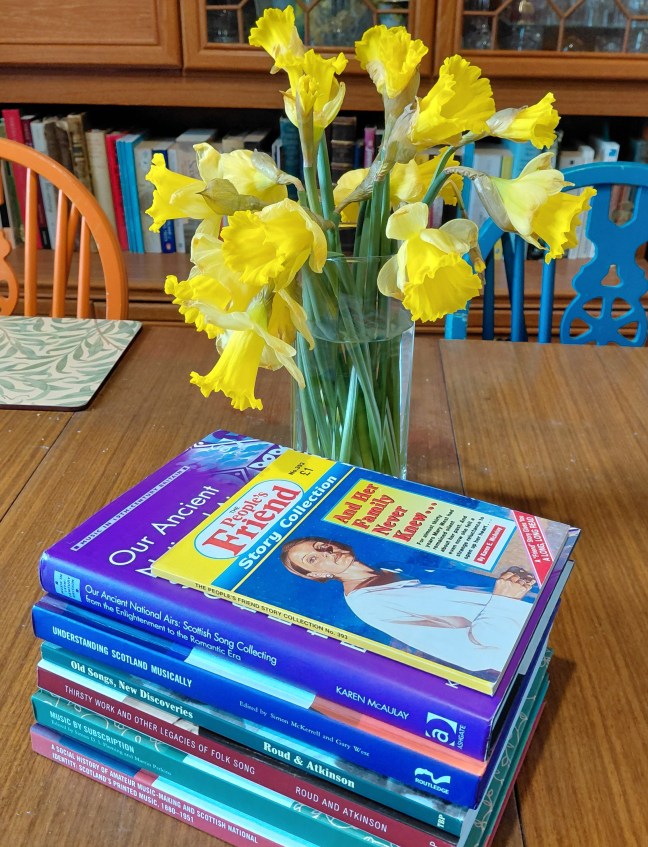
Something you may not know is that my first book was by no stretch an academic one; it was actually a People’s Friend serial-turned-paperback, published in 1996.
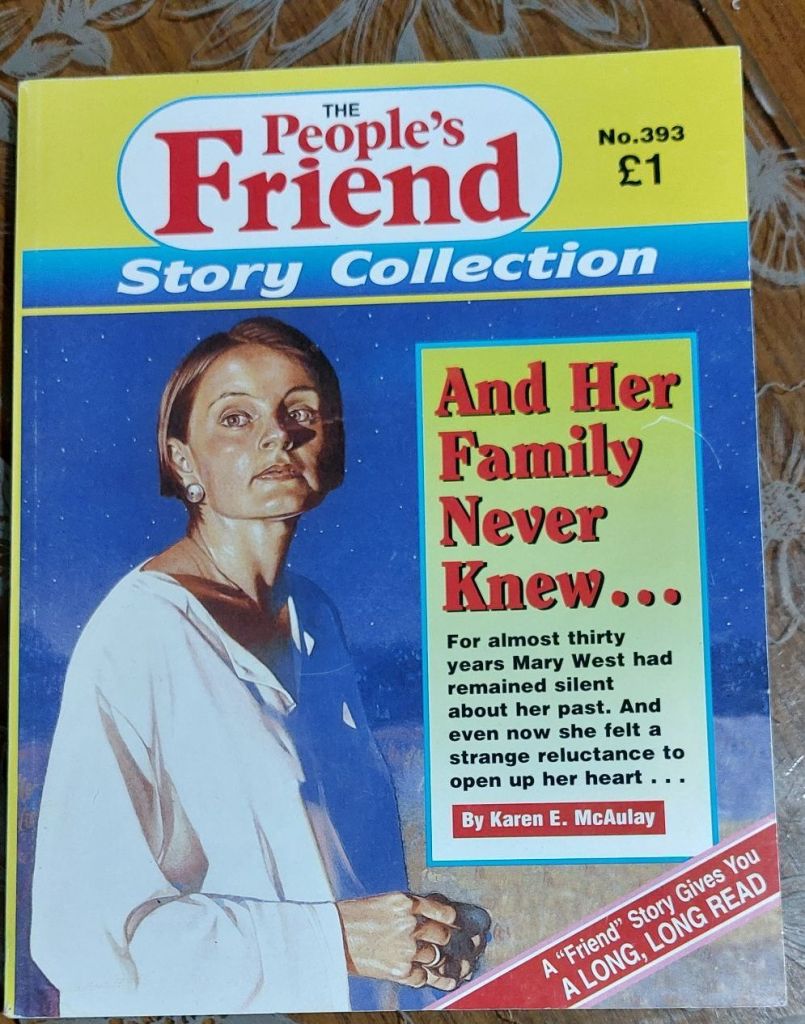
Fiction
Not many people know (there’s a theme here!) that I published 30 short stories and that serial, long before I made my second start at an academic career. Writing helped finance my first maternity leave, and even enabled me to replace my car at the end of it. OK, it was a comparatively little-used Lada. But it had four gears compared to the previous Lada’s three, and more significantly, I’d earned it through writing. I was proud of that. I owe a big debt of gratitude to D. C. Thomson, who gave me these writing opportunities, and plenty of feedback along the way.
Writing Skills: Clarity
I honed my writing skills. Clarity was one thing: a story must progress logically, and readability is crucial. I still try to avoid big words for big words’ sake, unless they are the obvious, unavoidable choice.
And Writing about People
Writing about people was another skill, and I have continued to enjoy this in my subsequent work. No, it’s more than enjoyable – I love it! I’m never happier than when I’m writing about people whose lives I have researched; I feel as though I actually know them. Walking through Edinburgh, their ghosts surround me, and I’ve often reflected that I probably know as many deceased Edinburgh musicians and publishers as live ones!
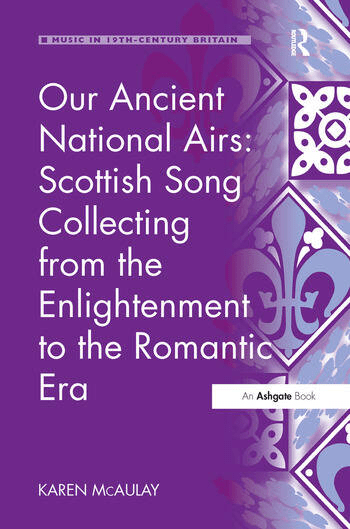
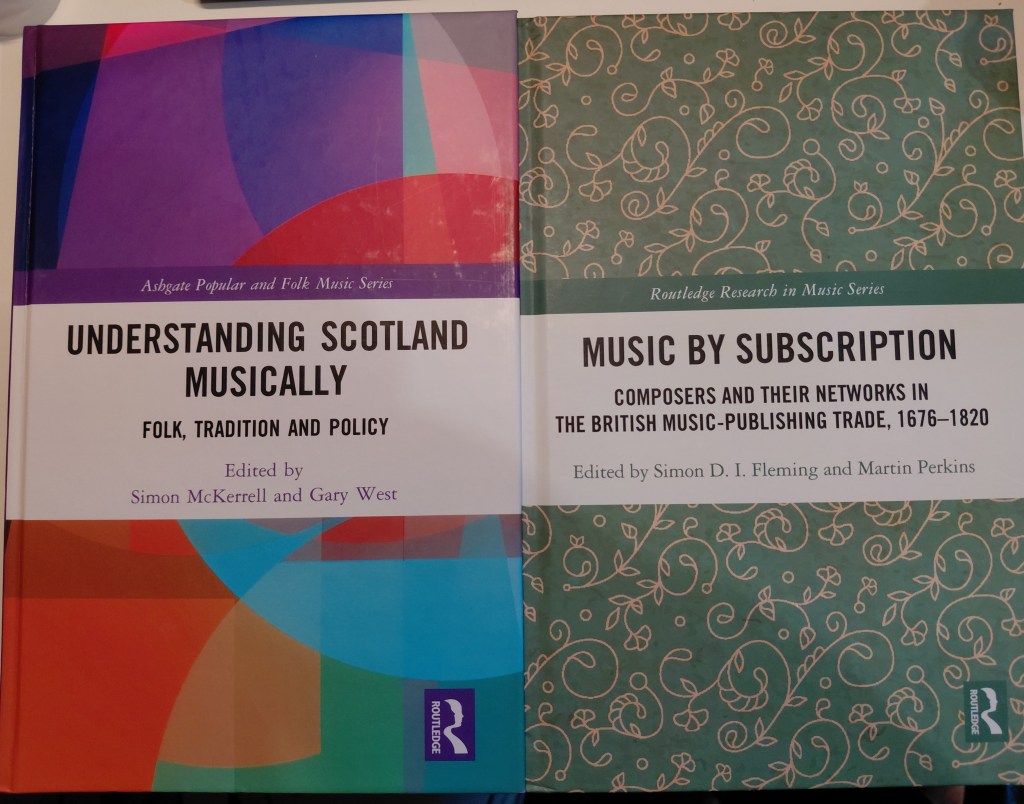
I turned my PhD thesis (2009) into my first monograph (2013), then came a few contributed book chapters, amongst other writings:-
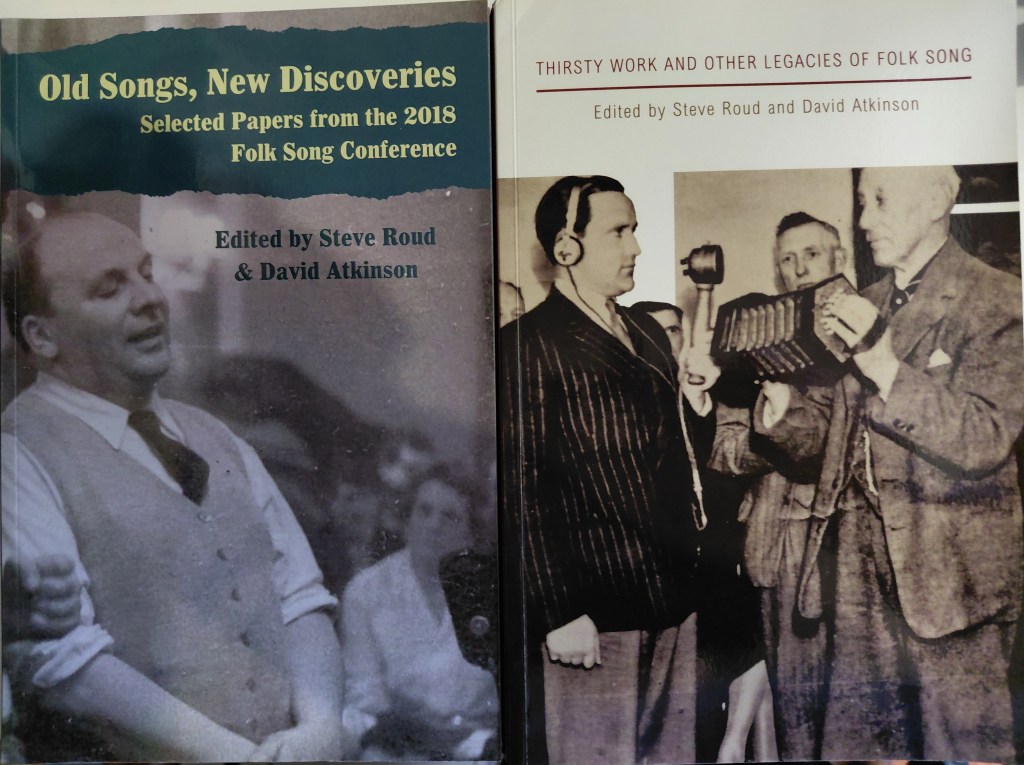
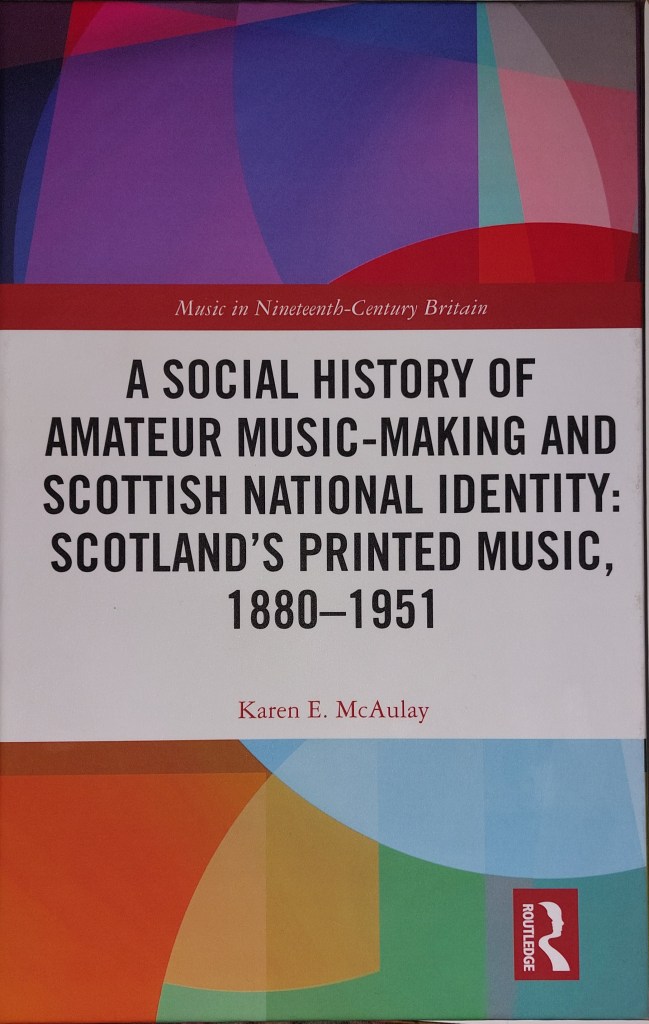
My second monograph was published at the end of 2024. Research has never occupied as much as half my working week, with the exception of last year’s IASH postdoctoral fellowship, so I have to resist making unfavourable comparisons with other full-time academics’ output; mine doesn’t compare. But, taken in context, I can hold my head up pretty well.
But enough of celebrating my books for World Book Day – I need to get back to the research that will ultimately, I hope, give rise to my third monograph. I’m making up for lost time …
Book Stack
- And Her Family Never Knew
- Our Ancient National Airs: Scottish Song Collecting from the Enlightenment to the Romantic Era
- ‘Wynds, Vennels and Dual Carriageways: the Changing Nature of Scottish Music’, in Understanding Scotland Musically
- ‘National Airs in Georgian Libraries’, in Old Songs, New Discoveries: Selected Papers from the 2018 Folk Song Conference
- ‘Alexander Campbell’s Song-Collecting Tour: ‘The Classic Ground of our Celtic Homer’, in Thirsty Work and other Legacies of Folk Song
- ‘Strathspeys, Reels and Instrumental Airs: a National Product’, in Music by Subscription: Composers and their Networks in the British Music-Publishing Trade, 1676-1820
- A Social History of Amateur Music-Making and Scottish National Identity: Scotland’s Printed Music, 1880-1951




 Karen McAulay, Musicologist