Good News! Article now Published in RMA Research Chronicle, and an [unrelated] Book Chapter Pending

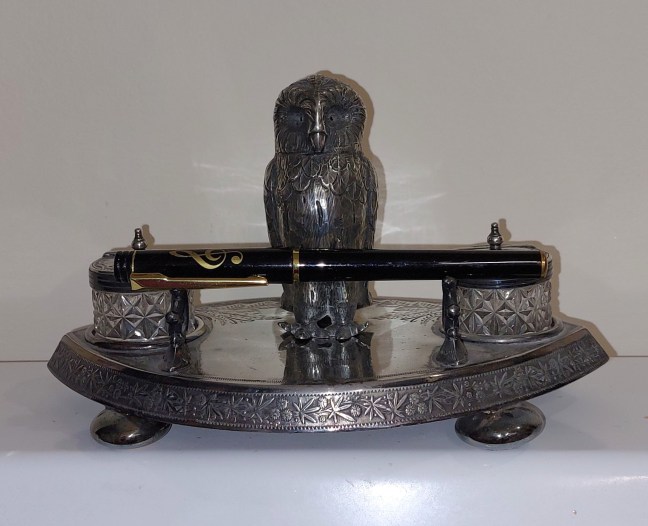
Silver Victorian pen and ink stand

A couple of weeks ago, I mentioned that my RMA Research Chronicle article was now available online as open access. Today, it’s actually in the published issue. Receiving this email is a great start to the day:-

“your article, ‘Women Pursuing Musical Careers: Finding Opportunities in Late Nineteenth- and Early Twentieth-Century Scottish Music Publishing Circles’, has now been published in Royal Musical Association Research Chronicle! You can view your article at https://doi.org/10.1017/rrc.2025.10009

Citation Details

Writing about Tourism

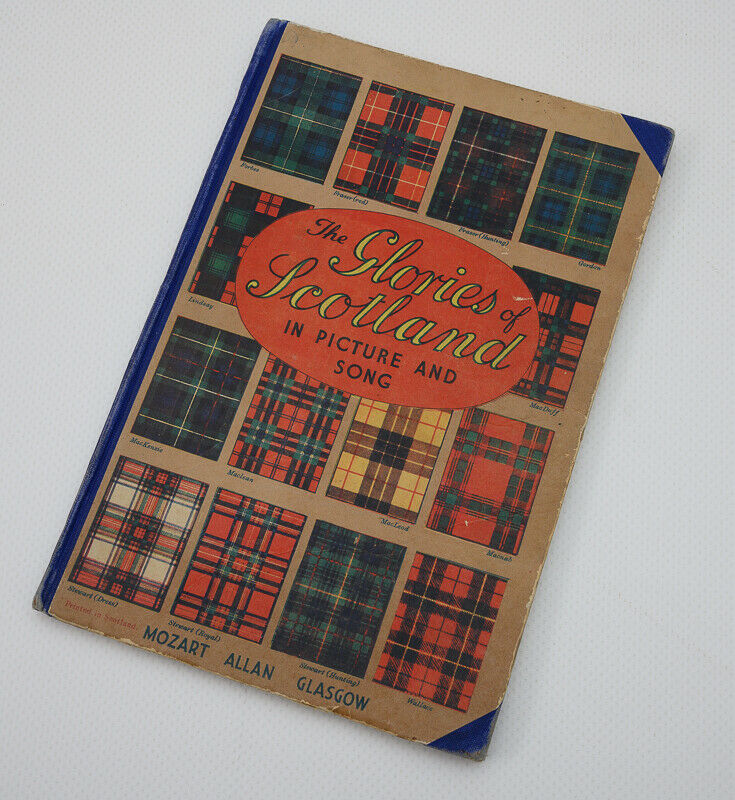
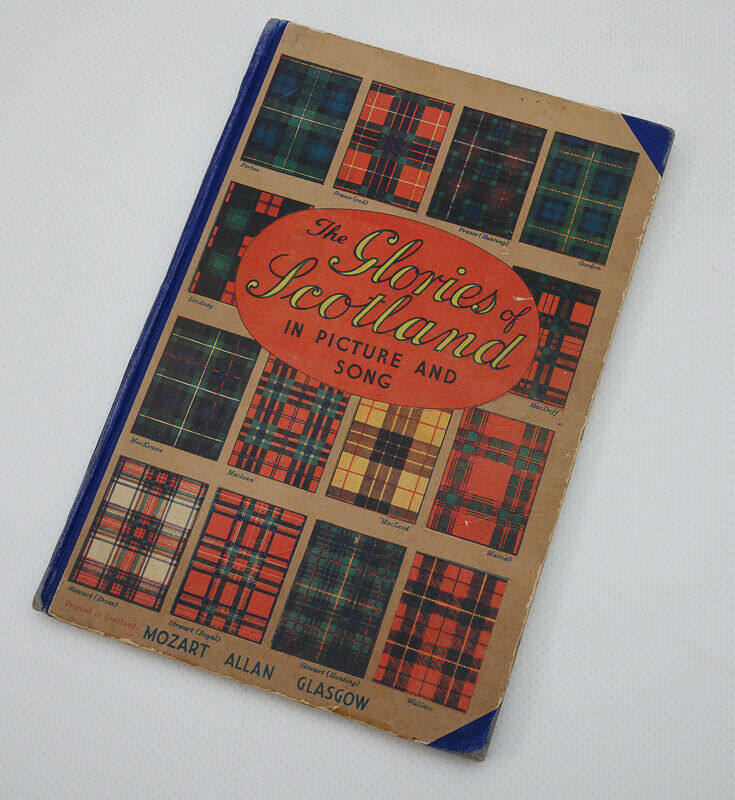
What’s this?, I hear you ask. Why would a musicologist write about tourism? Well, it’s like this: one of the song book titles that I explored in last year’s monograph, The Glories of Scotland, really deserved more space than I could give it in a monograph devoted to a nation’s music publishing. However, the opportunity came up to contribute a chapter to a Peter Lang Publication, Print and Tourism: Travel-Related Publications from the Sixteenth to the Twentieth Century, edited by Catherine Armstrong and Elaine Jackson.

Today, I received the final proofs, which means that the book itself can’t be very far away. I really enjoyed writing this chapter – you could say that it’s decidedly more about publishing history, and tourism, than conventional musicology – and I really look forward to it actually being published.

My chapter (19 pages):-

‘The Glories of Scotland in Picture and Song’: Jumping on the Festival of Britain Bandwagon?’
7 & 8 November  – TWO McAulays in a week (in different places)

It appears both my husband and I are giving presentations in a fortnight’s time!

The evening of Tuesday 7th , Hugh is talking on Zoom about Newcastle trolleybuses, to an enthusiasts’ group in Turin.* (Sadly for him, he’s sitting in Glasgow, not Turin, to do it!)

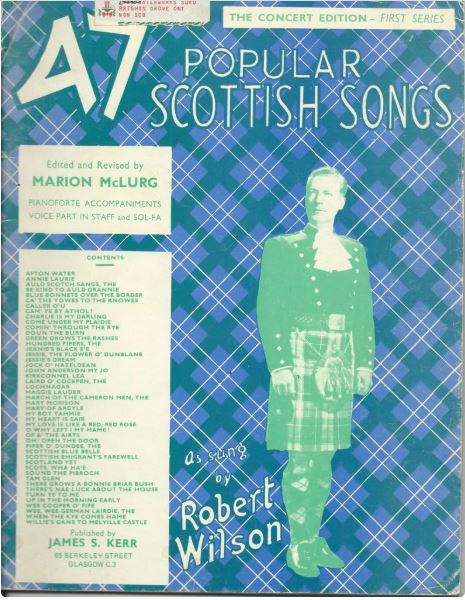
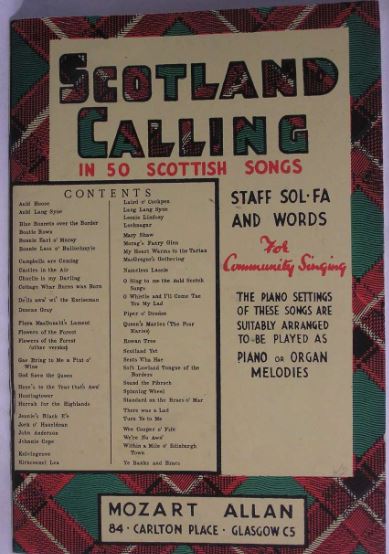
Less than 24 hours after that, I shall be giving a talk about a couple of Mozart Allan Scottish songbooks, in the Gifford Room (at the University of St Andrews’ Laidlaw Centre) on Weds 8th at 2.30 pm.

The Glories of Scotland in Picture and Song: compiling a book with the 1951 Festival of Britain in mind

https://www.st-andrews.ac.uk/assets/university/music-centre/documents/music-events.pdf

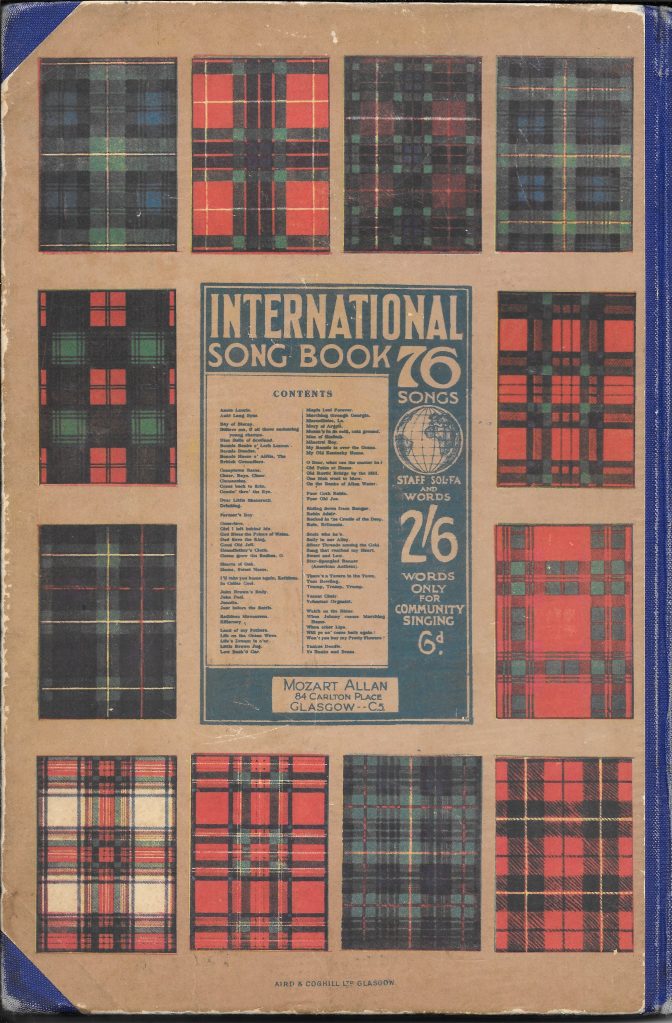
The Glories of Scotland is a ‘snapshot in time’, as I shall explain. It has connections with another contemporary Mozart Allan title, and also with the Festival of Britain.  Admittedly, it doesn’t look particularly special to our modern eyes, but it indirectly tells us a lot about postwar British culture.

As it happens, I’m giving a lecture to the historians later in November, in connection with my Ketelbey Fellowship.  But I’ll be taking a very different tack that time. The music talk on 8 November is about one – okay, two books, whilst the history one covers half a century. And it feels as though, whilst I’ll be introducing history to the music lovers, I’ll be sharing music history with the historians – looking at how contemporary trends were reflected in what Scottish music publishers produced.

I’ve just finished writing my music talk.  On Wednesday, I made a list of all the images I’d need for the PowerPoint, and I had intended on Thursday to see which pictures I had already (as opposed to those I needed to scan), draft the Ppt and do some reading. 

However, I didn’t bargain on Storm Babet. Suffice to say, I got a bus home to Glasgow and spent the afternoon and evening scanning and finishing the slides. No reading got done, but at least the talk and slides are all sorted. Well, apart from timing it …

Postscript. Thankfully, the postie’s delivery of one particular rarity didn’t get drenched in the rain last week. It was only 2/6 in 1950 – I dreaded it getting damaged. Especially as I’m talking about the diaspora intentions of the publisher, and this particular copy comes from France!

* For Hugh’s talk, visit the ATTS Torino Facebook page. https://www.facebook.com/attstorino

Don’t Judge a Book by its Cover

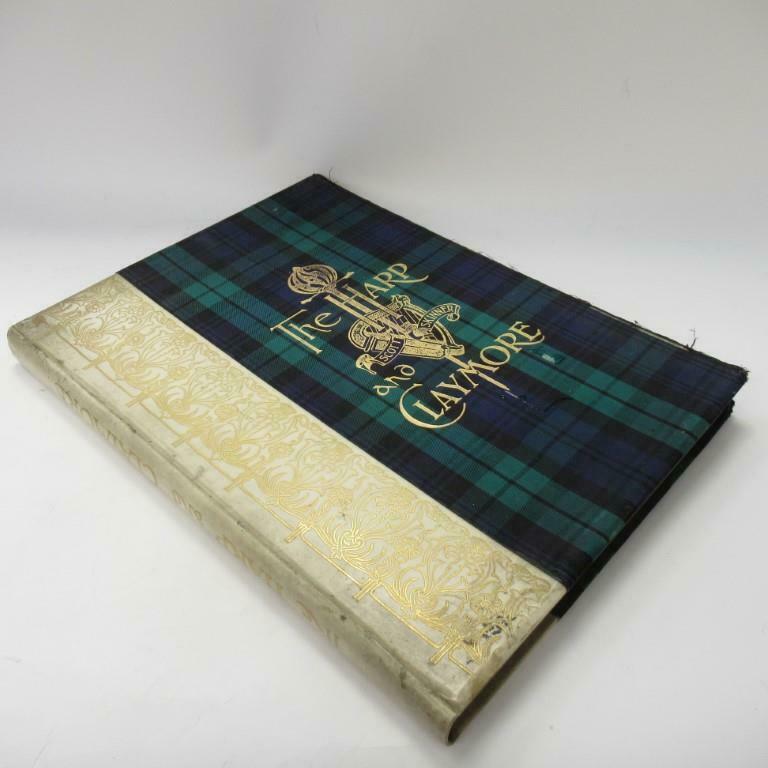
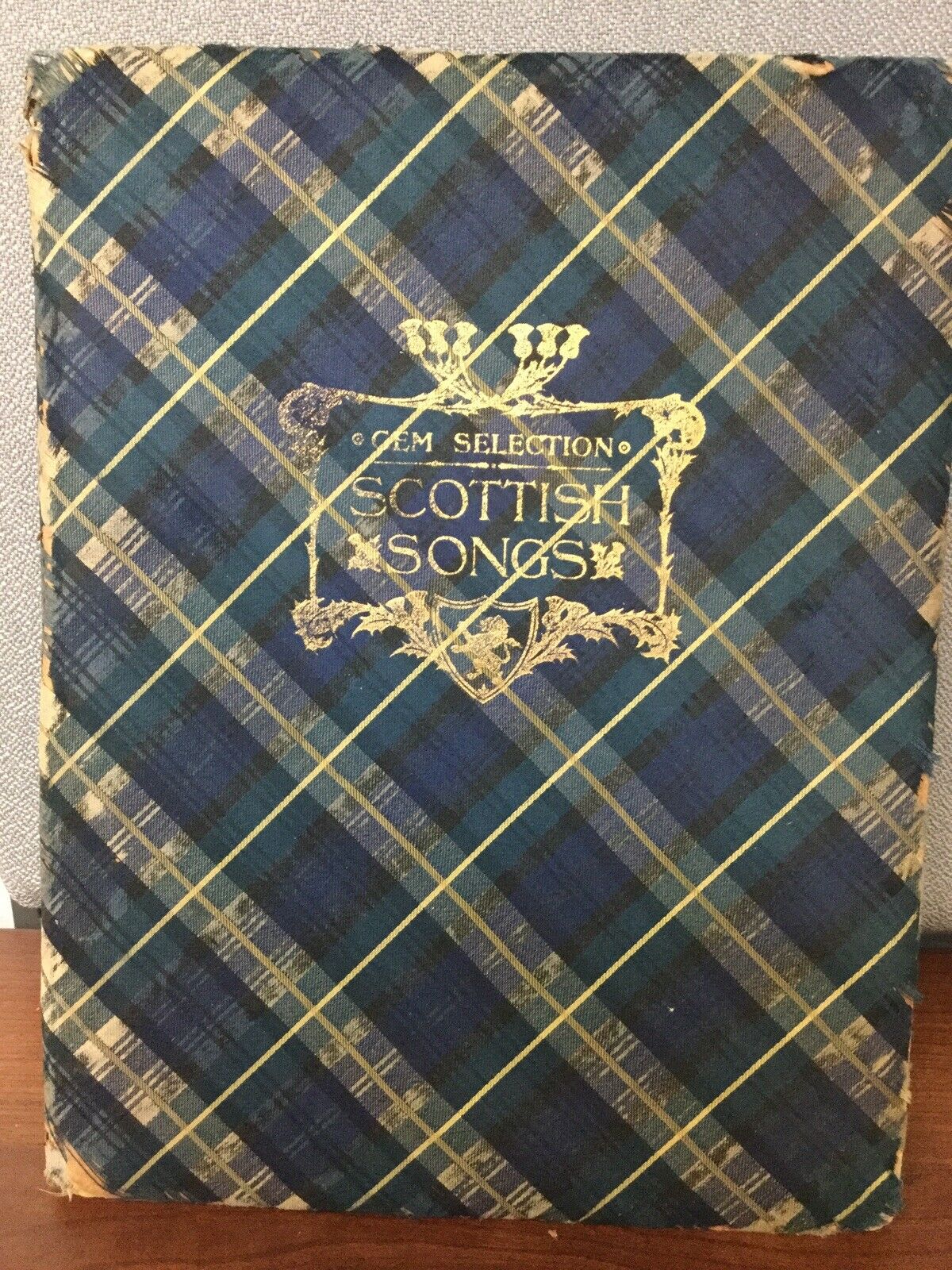
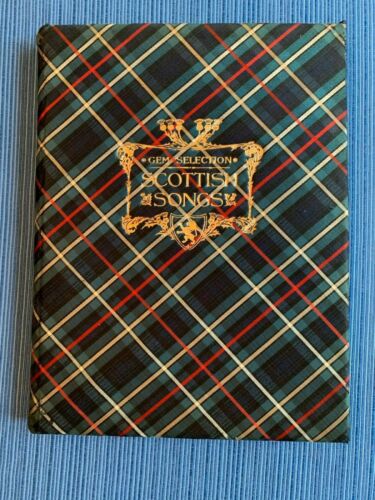
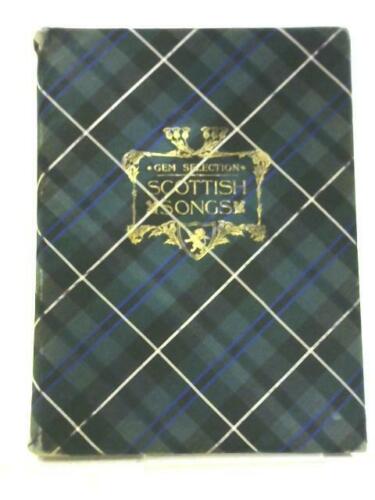
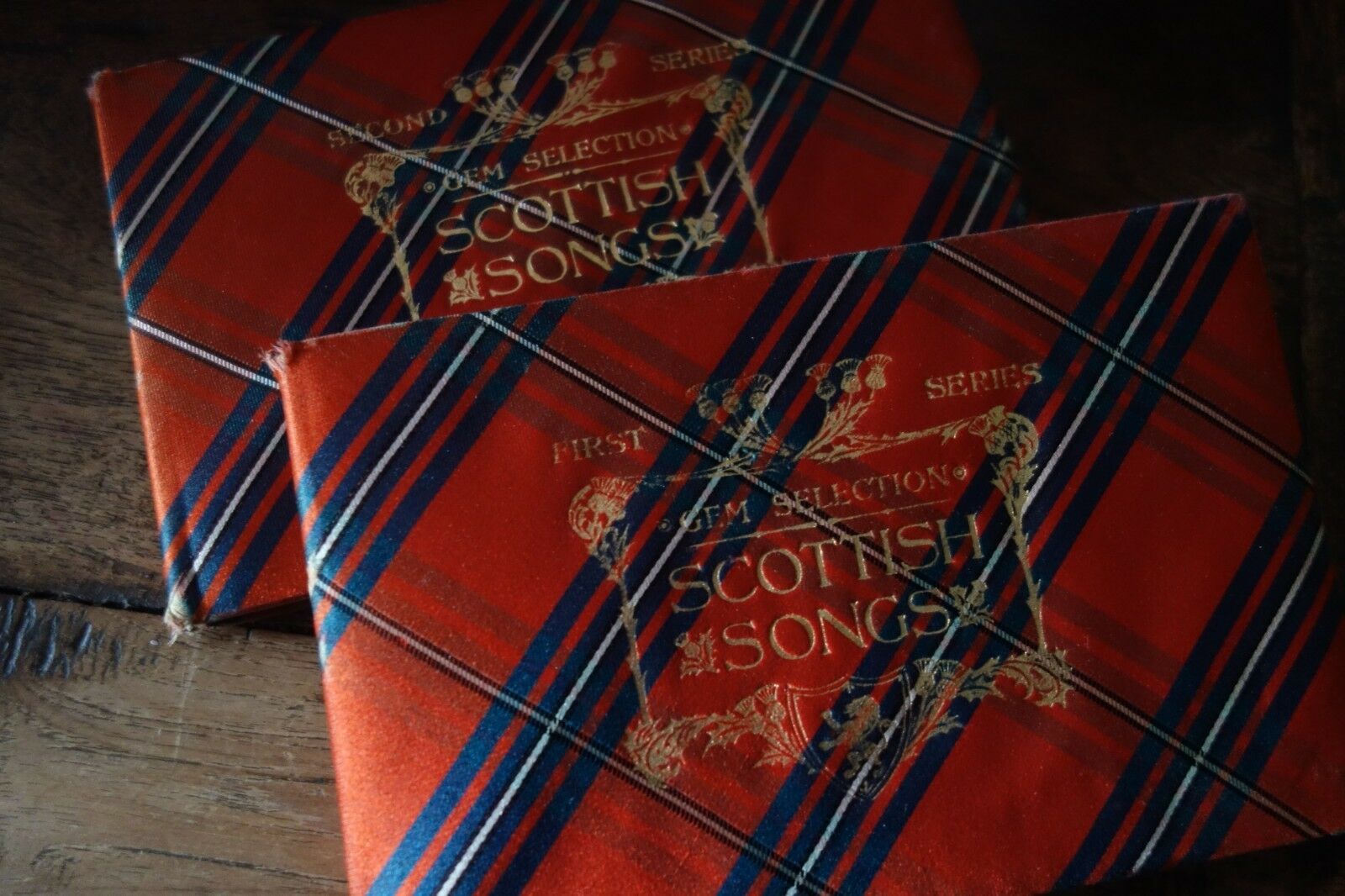
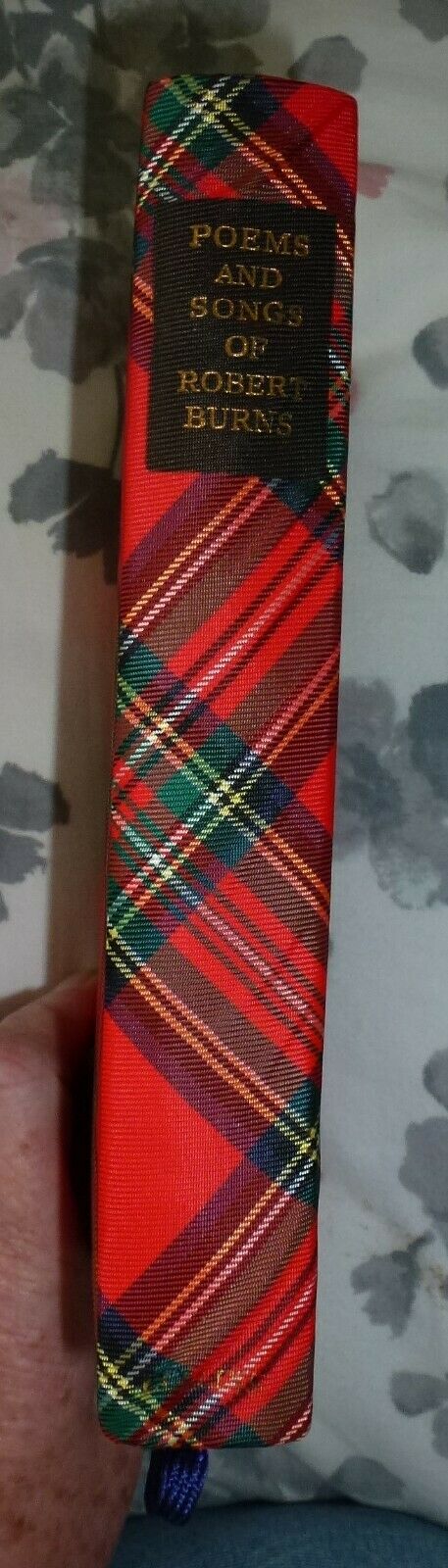
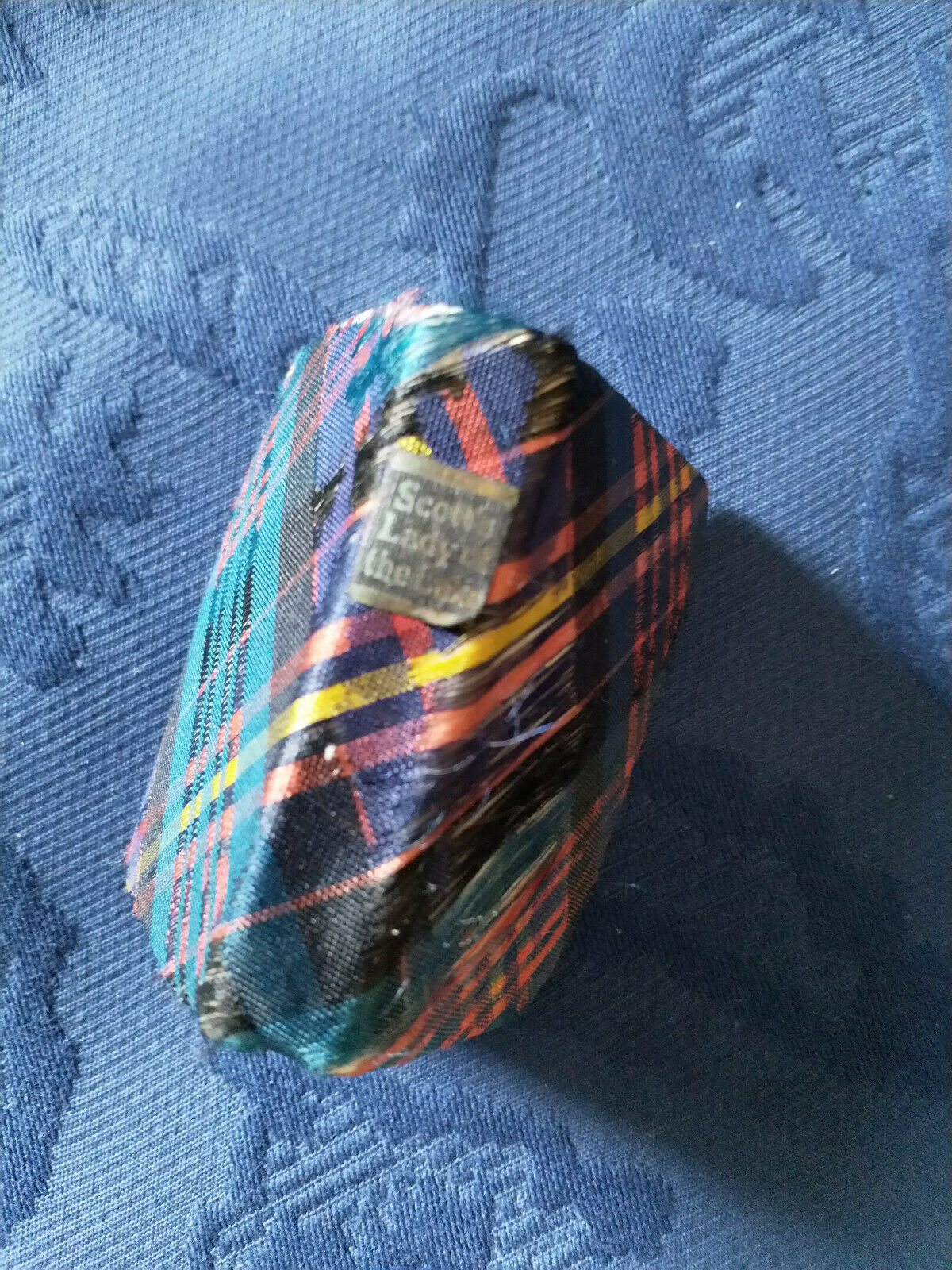
So they say! Very well, but whatever the era, and the differing nuances in the contents, there’s no denying tartan was often used as a cover for books of Scottish songs, Scottish poems, stuff by Robert Burns, stuff by Walter Scott (there was a firm specialising in miniatures, like this picture of Scott’s The Lady in the Lake ballad, no music here) …