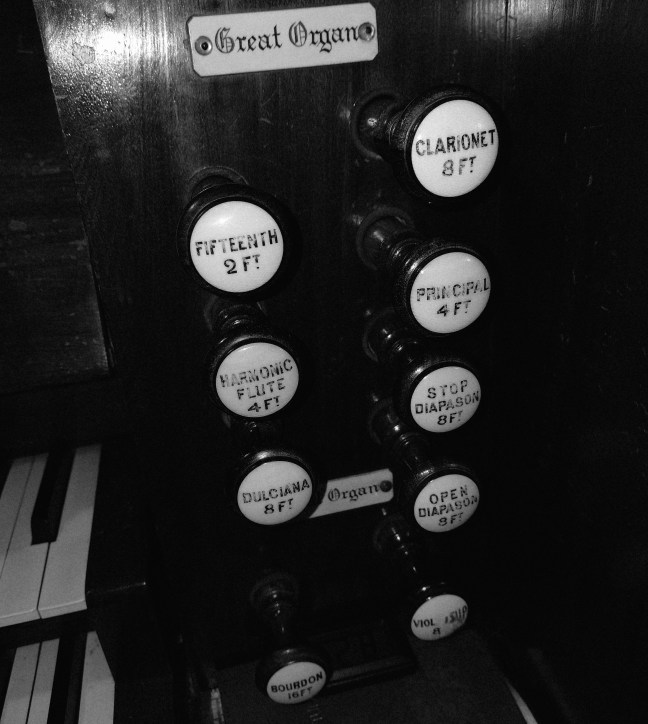
This is my second podcast. In my previous podcast, I discussed a musicological topic – the career of the Glasgow Athenaeum School of Music’s second Principal (Edward E Harper), and his longer career as an organist. Today, I’ll continue the church organ theme, but this time I’m thinking about my own practice – specifically, about how I write a last verse arrangement for a church hymn. Hopefully it’ll be helpful to anyone who didn’t have the benefit of harmony classes at uni! I introduce chromatic harmonies, passing notes, suspensions and minor sevenths.
Listen to Podcast No.2:-
I’m sharing my harmonic analysis (more like an overview!) and audio examples separately from the podcast.
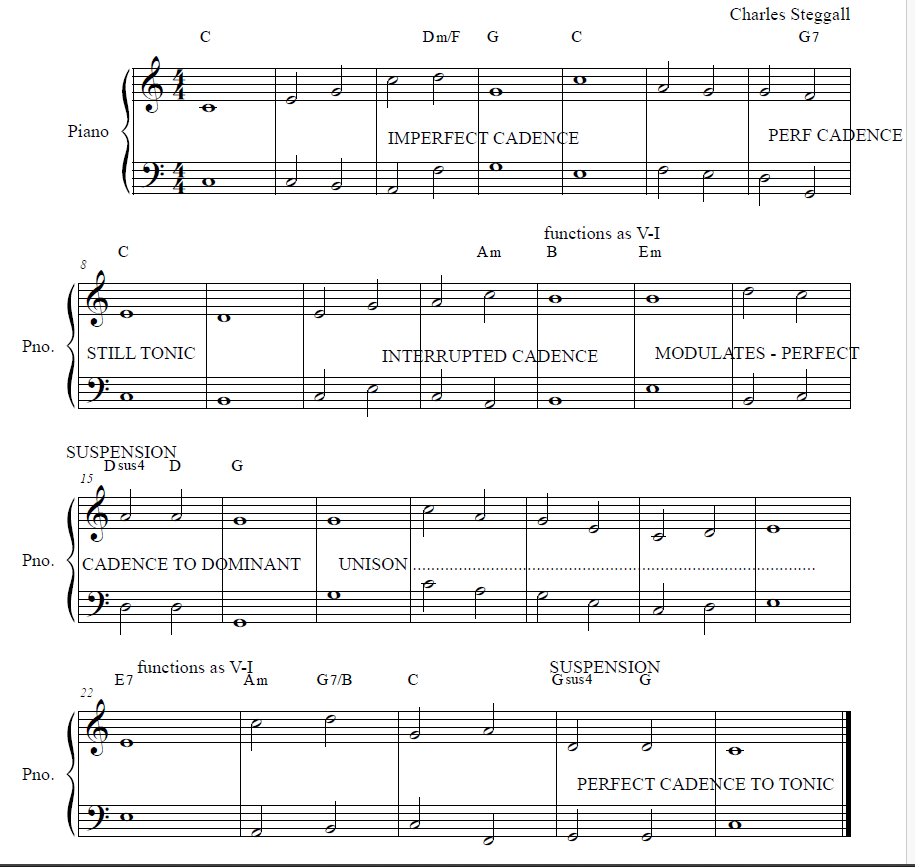
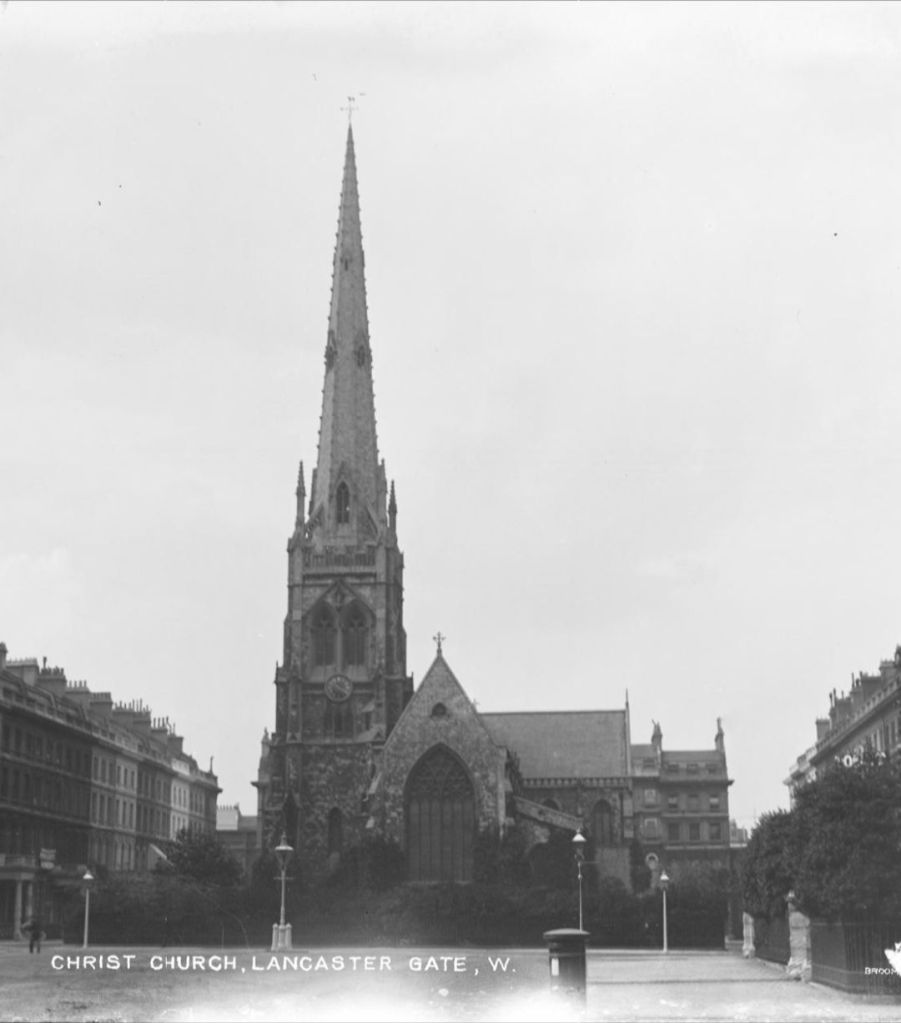
So, here is the harmonic analysis of Charles Steggall’s hymn, ‘Christchurch’:-
And if you’d like to hear how I did my final arrangement, compared eight bars at a time with Steggall’s original, then you can hear it here:-
Organist Reveals All
Just a brief note. I had criticism of my last blog posting’s title, which apparently didn’t make sense. Well, it did to me, but feedback is always useful. I’ve tried to make today’s title clear and unambiguous.
However, I might observe that – much to my line manager’s amusement – the piece of my writing which has attracted the most interest was the double-entendre in my article about paratexts, back in 2015. In marketing terms, ‘sexy’ means something is appealing to readers, and paratexts do ‘reveal’ more about a publication than you might think:-
‘Sexy Bibliography (and Revealing Paratext)’, Library Review Vol.64, Iss.1/2, (2015), 154-161, http://www.emeraldinsight.com/doi/abs/10.1108/LR-09-2014-0104
(Now, that is an obscure and incomprehensible – but intriguing – title!)
Off-the-Shoulder Gown?
So, if I wanted to make today’s podcast have more crowd-appeal, and (crucially) attract more hits, then I really should have come up with a more intriguing title. And I have! How about, ‘Organist Reveals All’? I’ll wear my gown off-the-shoulder on Sunday!