Dr Karen McAulay explores the history of Scottish music collecting, publishing and national identity from the 18th to 20th centuries. Research Fellow at Royal Conservatoire of Scotland, author of two Routledge monographs.
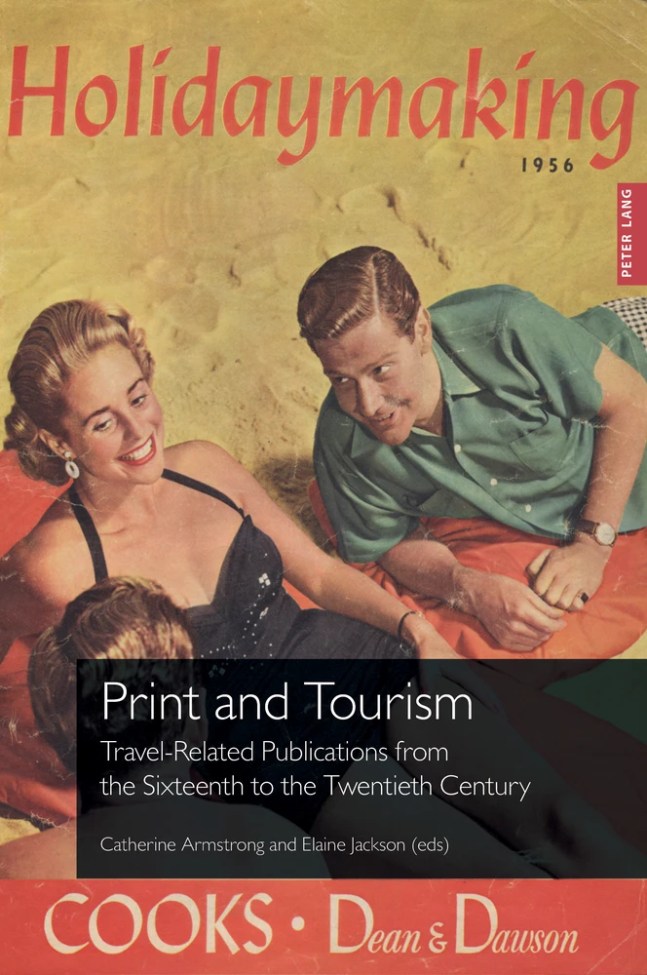
An exciting email from the Print Networks Council popped into my inbox this week, announcing a new publication. It contains a chapter that evolved from a paper I submitted back in the pandemic. Yes, I mentioned Mozart Allan’s Glories of Scotland in my book, ASocial History of Amateur Music-Making and National Identity, but I have treated it more extensively in this new chapter. It’s not every day that a musicologist gets to think about the Festival of Britain, book exhibitions, and post-war tourism. I thoroughly enjoyed both the researching and the writing of it – and I’m really looking forward to seeing an actual copy!
The latest volume in the Print Networks series has now been published; copies may be ordered via this link: https://www.peterlang.com/series/phc – where previous volumes in the series are also available.
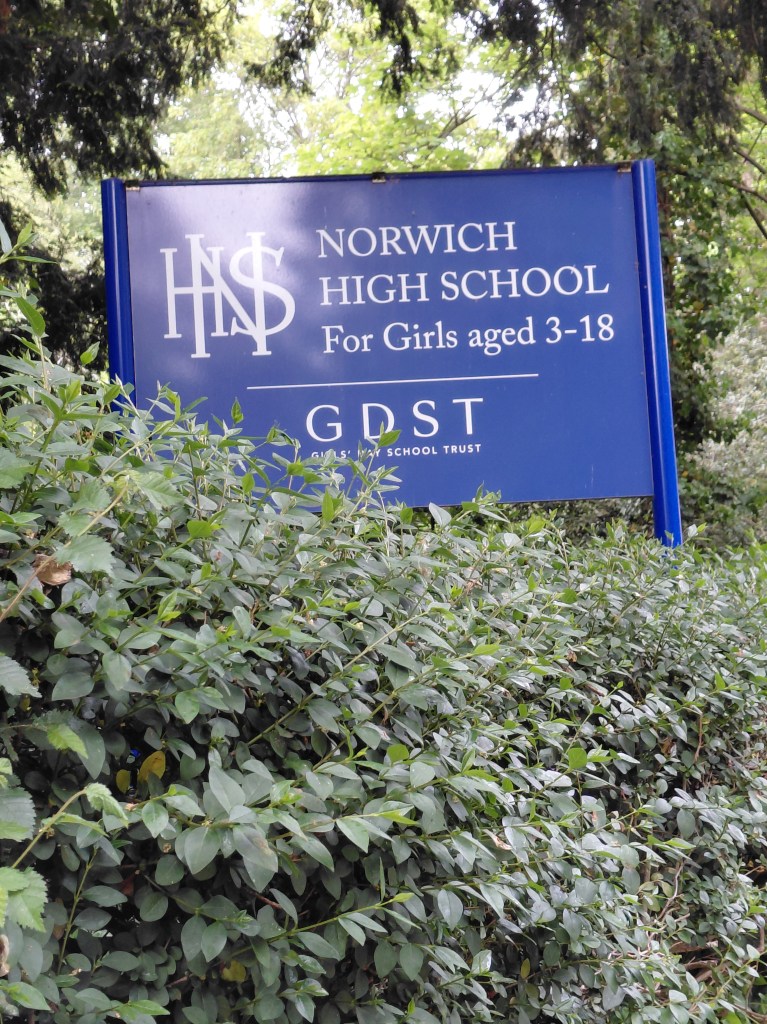
Since I work part-time (1.5 days a week), taking the day off effectively means taking nearly a week off. I’ve been home to Norwich for a fiftieth school reunion – fifty years since we left Norwich High School for Girls, GDST.
In fact, the weekend was significant in three different ways – as well as my school reunion, Dr Edward Harper’s Kilbarchan organ was inaugurated at St Marien, Prenzlau in Germany, and Old Gourock and Ashton Church celebrated its 250th anniversary. But I couldn’t be everywhere at once, so off I went to the reunion, whilst my husband went to the church where he had enjoyed being organist for a number of years. (I drooled over the Facebook postings about Prenzlau, where they seem to have had a fabulous series of concerts and talks in what looks like an absolutely stunning church. Dr Harper would doubtless have been highly impressed. And what lovely sounds were heard on the brief clips that were shared!)
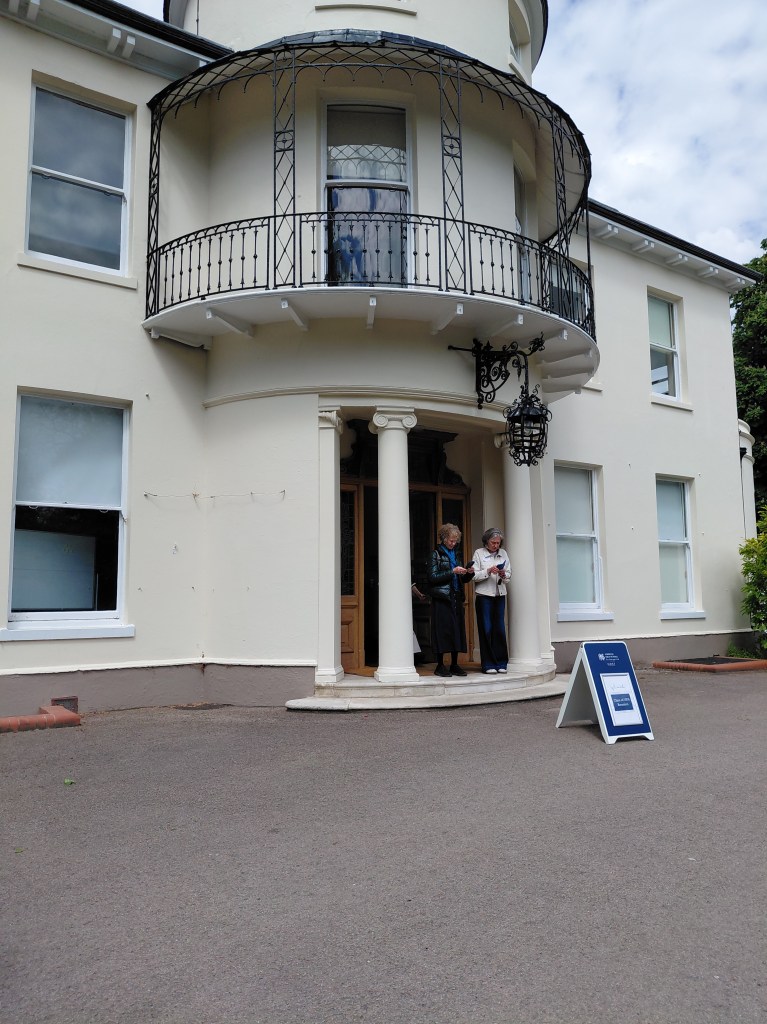
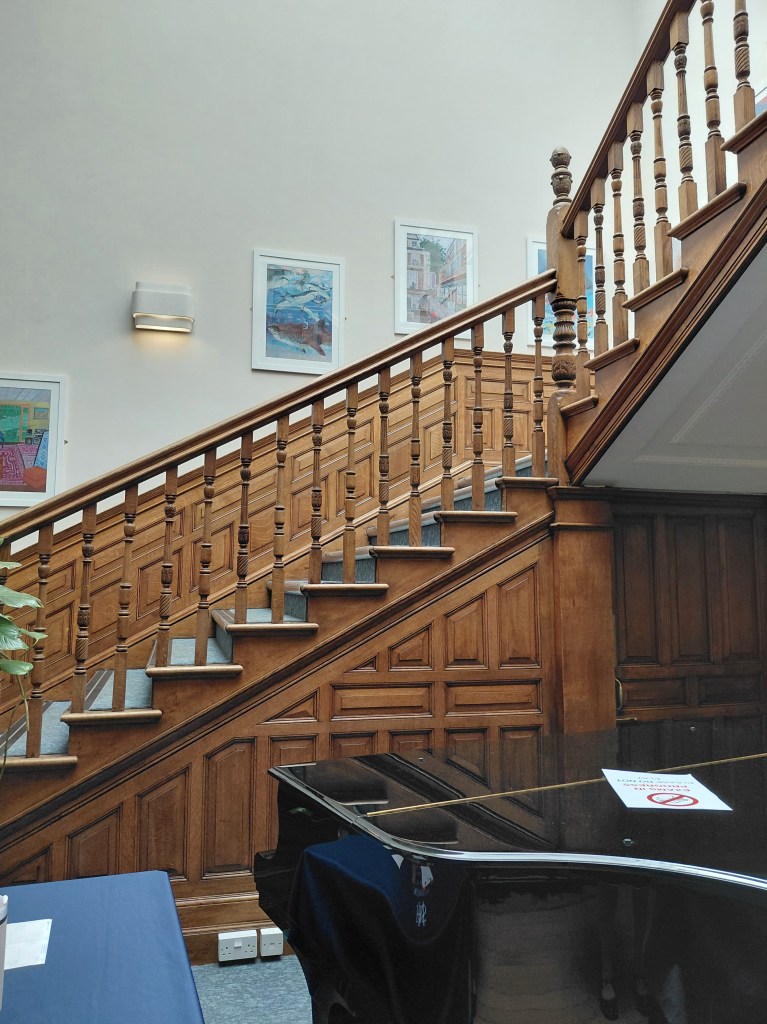
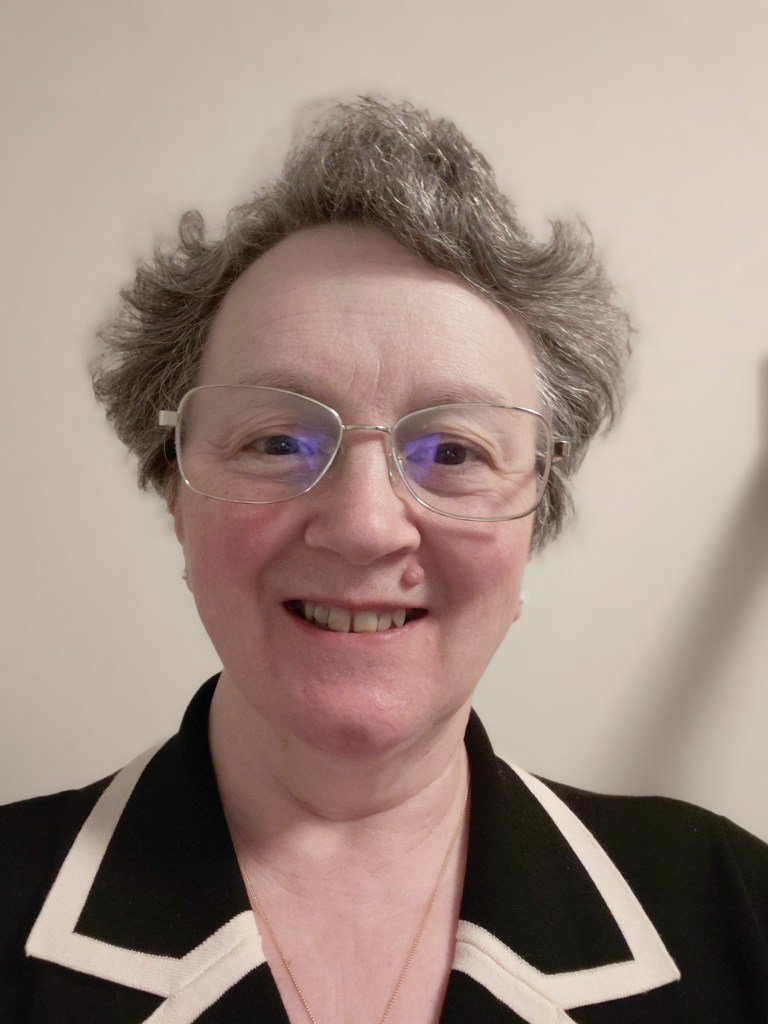
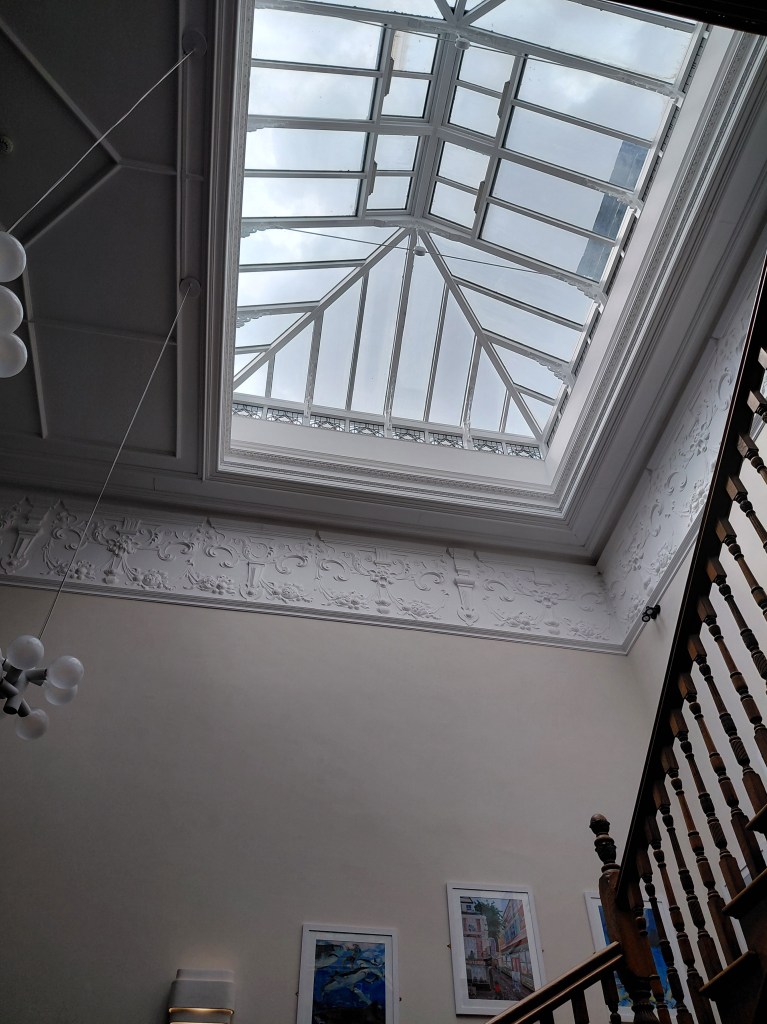
Norwich High School front entranceThe imposing front staircase and a rather nice-looking pianoWell, what do you wear to a school reunion?! I agonized …From Newmarket Road, NorwichImpressive Skylight – I never noticed before!
I’m so glad I went to Norwich. I’m prone to focus on negative memories, but everyone was really welcoming, and it was great catching up with what everyone had done, and where they’d been. No-one else had a negative memory of one particular teacher who really did not like me! Then again, I’d kept in touch with the other member of that department for 25 years, and she’d even visited and stayed with us in Glasgow.
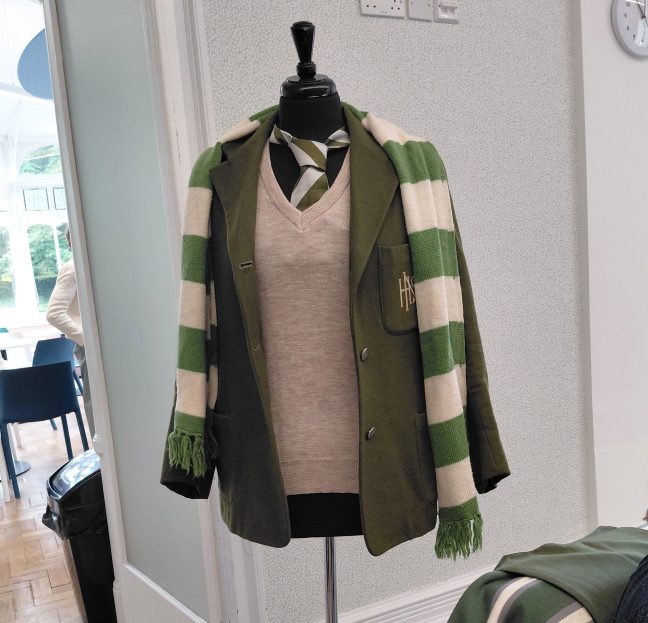
Old School Tie
I heard stories that I’d never heard before, and was reminded of things that I did vaguely remember. We were shown round the school, exclaiming over the changes and remembering the familiar. The archivist was there, and there were photos and other memorabilia to examine. That awful olive-green uniform!
It was surprising to find that several people had moved away from Norwich, but later moved back. That’s not going to happen for me. Someone who researches Scottish music or social history of Scottish music, is hardly going to remove themselves 400-odd miles south! Some people had continued with interests that they already had at school. Others had taken completely different directions, whether to the upper echelons of corporate life, arable farming or a whole lot of other avenues. I did appear to be the only semi-retired postdoctoral researcher! And if my Scottish music publishers didn’t evince a great deal of enthusiastic interest, then – yet again – oral history research certainly did. People are interested in oral history, interested in memories in general and particularly interested in memories of their school days and school music.
And the trip itself was a nice break. Indeed, I knitted a whole mansized sock on the various legs of my train/replacement coach journey, discovering that knitting can sometimes start unexpected conversations! People like reminiscing about that, too…
I’d better get back to my Leng Medal memories. Today, it’s time to contact people who remember participating in the 1990s – long after I’d left school myself!
It was foggy all day, I’ll always remember that. The mist still swirling outside, I went to bed and went over in my mind all the places I’d visited.
We met in a small cafe – always a good idea to start off with coffee! It was a short walk to our first stop, the place where much of the city’s music was printed.
A minibus took us to our next port of call – by the river – and then across the river to see where one of our publishers got married. (This raised a few eyebrows, but in fairness, it might have looked different 150 years ago!) From there – to see where he traded from, and then (wishing it was open) past a museum and on to the premises of another local publisher. Again, faded glories, I’m afraid. But it would have been very handy for the shipping!
Our new businessmen would have used trams to get into the city, until the subway started in the 1890s. We took the subway – no trams nowadays! It was time to visit a couple more publishers’ premises in the city centre, not to mention the former Athenaeum. Time for the minibus – there were a couple of former churches to visit (one still standing, another very definitely not); another educational institution, and the street where three music publishers finally found themselves merged into one single entity.
Where next? The Mitchell Library, with all its historical collections, or a nearby cafe? Or indeed, the library cafe? What would everyone prefer? We talked about what we’d seen, and whether it had changed our opinions of all that cheap music, so popular with earlier generations.
I dozed, until finally my busy mind gave in to sleep.
It’s time to confess – the whole story is simply a figment of my imagination – I was dreaming. It never happened – but I’ve thought about it so much that maybe it might have some mileage after all. Would you be interested in such a tour? There are few places we could could actually go into, but I am convinced that a tour of key places would bring the history alive in a way that books can only hint at. It would certainly tie in brilliantly with my second, recently published book. I’m going to think about it a bit more imaginatively … watch this space!
As I pursued my research for my latest book, I accumulated quite a few postcards and other ephemera which might not, at first sight, appear to have had much to do with the subject in hand. Indeed, when I decided to sort out my box file, I was initially a bit surprised just how much of this stuff I had acquired! However, much of the work was done during the pandemic, when eBay was actually a very sensible way of getting hold of things … and you could argue (hark at me, justifying myself) that I spent less on those postcards than two or three hot drinks at the RCS café-bar each day I’m on site!
Did Mozart Allan use printers Aird & Coghill? They printed a lot of music in Glasgow!
Sifting through my treasure-trove was so enjoyable that I eventually realised I wasn’t in the least bit ashamed of my guilty secret. I have a contemporary postcard of the very respectable-looking Glasgow street where James S. Kerr first lived. (The neighbourhood is less upmarket now, and both his first home AND his shop are now gone.) And there’s a postcard of the shop that Frank Simpson had on the corner of Sauchiehall Street before the shop and adjacent church were knocked down to make room for British Home Stores. I also have a card of the view Mozart Allan would have seen every time he stepped outside his shop. (HIS shop building is still standing, just along from the Courts, beside the River Clyde.)
Pretty much the view from the shop doorstep!
I have pictures of the docks, as they were then, conveniently close for Kerr and Mozart Allan’s trading activities, and a picture of the boat on which Kerr’s successor sailed to America on one occasion. I like to be able to imagine what a place was like when the person I’m writing about, actually lived there.
I’ve also got odd bits of commercial ephemera – an advertising brochure; a business postcard; a couple of letters. The business postcard set me on the track of the individidual who took over Kerr’s business after Mrs Kerr died. It was only last weekend, long after I’d acquired it, that I realised there was a woman’s name written across the top left corner. A colloquial diminutive for the new owner’s wife’s first name, in fact. So – maybe she worked in the shop, too? It’s not musicological research, but I would like to find out. I enjoy finding women working in the music publishing/retail business, in eras when fewer women worked outside the home.
Another bunch of postcards trace the tartan-mania which spilled over from cards to coffee-table song-books and miniature souvenir books. Talking of souvenirs, I have travel guides, maps, an embroidery canvas of a commemorative map of the British Isles – it was unworked, but I’ve since done the stitching and had it framed – and a reproduction of an early PanAm poster. I’ve written quite a bit about Scottish songs in the memory of expats, both overseas and over here.
And there are a few photos of children having music lessons; of women sitting at the piano; a magic lantern slide; a stereoscope of (apparently) happy workers on a cotton plantation – in my book, I’ve written about the racism in plantation songs.
A whole load of sol-fa booklets of various kinds. They have a wee box of their own.
There’s also a photo of an Edinburgh railway bridge. Why? I was hunting down a particular song-book editor, and a musician with the right name lived just beside that bridge. I don’t think it was the right man, but it’s a nice photo, so I’ve kept it anyway!