Dr Karen McAulay explores the history of Scottish music collecting, publishing and national identity from the 18th to 20th centuries. Research Fellow at Royal Conservatoire of Scotland, author of two Routledge monographs.
I’m sure I’m not alone in wanting to buy myself something to mark a significant milestone – admit it, you do it too! Getting my second book submitted on time was certainly an important occasion for me. So, too, was commencing my Fellowship at St Andrews.
My gaze strayed to my eBay ‘Watch List’! I had ‘liked’ a lot of items. Some of them might, arguably, have been even more useful a month or two earlier, but I went through that list carefully. It was all printed matter, whether music or ephemera. I made a couple of offers (one has been accepted already!), then checked I couldn’t easily access the most desirable of the other publications some other way. That still left a handful of items I could definitely justify getting!
They will all be useful in the research I am now embarking upon – an extension of one particular aspect that enthralled me in my book project.
But one particular songbook – which I resolutely did not buy during the book-writing – sneakily snuck into my shopping basket! I had been telling it all along that it couldn’t be included, since it wasn’t published by a Scottish publisher. But although my specialism is Scottish music, there’s nothing to stop me buying something published by a contemporary English firm. And it is very pretty, as well as not being expensive! I’ll show you when it arrives.
Indeed, there are several English-published titles by ‘my’ Scottish educationalists that I now need to examine alongside the things they published in Scotland! But there’s a difference between treating myself and going overboard, so I deferred looking for those until another time. There will be library copies of quite a few of them.
Now, how do I explain the postie paying us more frequent visits for the next week or so?!
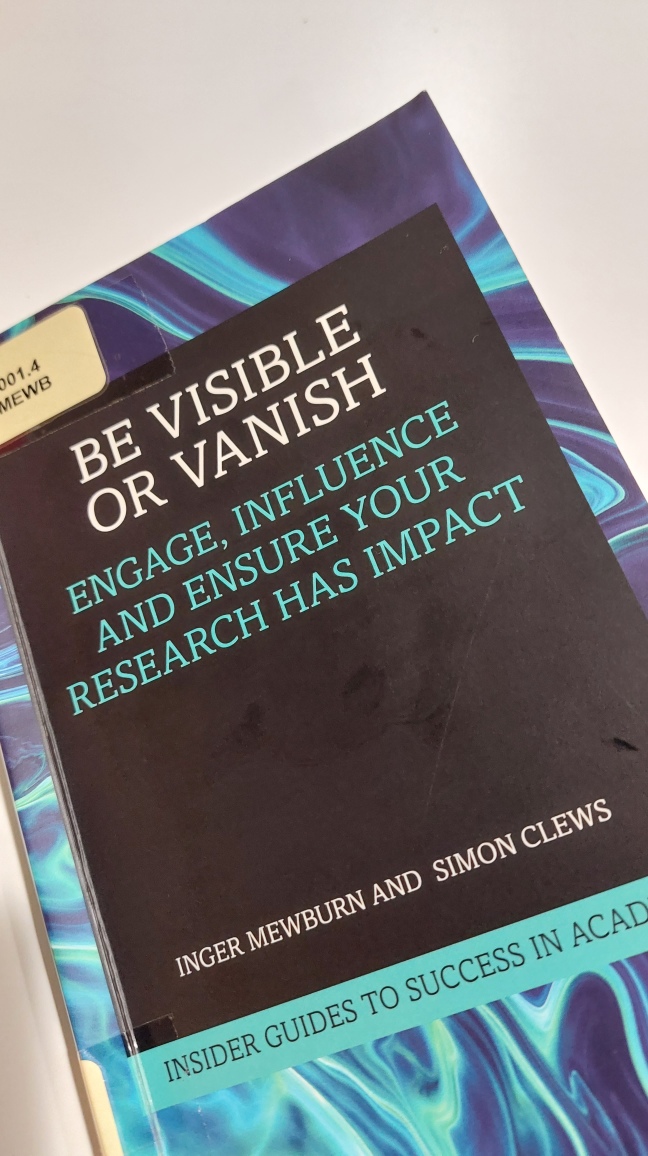
I’m currently reading a new book in the Routledge Insider Guides to Success in Academia series:
Be Visible or Vanish: Engage, Influence and Ensure your Research has Impact (Routledge, 2023)
The authors are Inger Mewburn and Simon Clews; since I’ve followed Inger’s work for a number of years, I knew it would be good, and I got it for RCS Library recently.
It’s an approachable guide, and the kind of book you can tuck into a bag or pocket to read at free moments during the day. This morning as I drank my pre-work latte, I was reading the chapter on making academic small-talk, and being ready with an answer to the inevitable question:-
So, what is your research about?
(A reasonable question in any situation!)
It particularly resonated for me this morning, because I take up my honorary Ketelbey Fellowship at St Andrews tomorrow. Not only that, but a family member had been asking me the same question last night! What are you studying there? Why there? How are you going to benefit from the experience? It wasn’t intended as preparation for the sort of questions I should be anticipating, but I nonetheless took it as a prompt to think carefully about how I shall be introducing myself when I meet new colleagues!
I’ve also heard this described as an ‘elevator pitch’ – though in my case, I would need the elevator to travel more than one floor! As I’ve said before, the title of my recently-submitted book doesn’t exactly trip off the tongue. However, it outlines what my research has been about in recent years so I have to be able to trot it out.
A social history (yes, that describes it well)
of amateur music-making (make no mistake, that’s what we’re talking about – it’s not generally about serious, cutting-edge classical music)
and Scottish national identity (this is such a big deal, that it’s inextricably interwoven throughout the whole book)
[And then there’s the subtitle!] : Scotland’s printed music, 1880-1951 (I’ve been looking at the output of Scottish publishers during this era, which proved much more interesting than even I had ever imagined. When I got to 1951, I got to fever-pitch excitement. You’ll have to wait for the book to find out why!)
But, back to the questions of last night. I’ll be revising the book when it returns from the reviewer(s). I’ll also be investigating a particular aspect of my research that still merits even deeper investigation. I’ll be exploring a bigger, richer library collection than I usually have access to, and I look forward to engaging with a lot of different research scholars, hopefully gaining fresh ideas and maybe ideas for new directions or collaborations.
Most of all, I’ll be settling into my academic role – yes, I know, I’m a seconded researcher back in my home institution, but it’s new for me to be a Fellow for a few months – and I’ll be thinking about my future ‘second career’ as a researcher once I retire from music librarianship next summer.
One of my favourite Mozart Allan songbooks has an intriguing history. I have contributed a chapter discussing it, in a print and tourism collection, and I’ve dealt with it in slightly less depth in my own monograph. (Neither is published yet, but hopefully the essay collection will appear later this year.)
The songbook has a photo of a Glasgow entertainer, and the words (so I thought) of his recent song – but not the music. That, it says, is available from Mozart Allan. I have been itching to see this entertainer’s song, but it entailed a trip to the National Library of Scotland.
Today – at last! – I saw it. Two sides of music, that’s all. The words in the song-sheet are more extensive than what appeared in the songbook. It’s just a typical music-hall waltz, but I’ll tell you something …
They encapsulate much of what I’ve been writing about, so I’m ecstatic to have seen it. I’m not able to share the images (though I think this snippet is probably ok!) – but I’ll certainly be talking about it when I give one of my guest lectures at St Andrews!
Again and again, I sit down to write about music, and end up going into hyperfocus about words. It must just be the way my mind works!
In the 1900s, touring Scottish singer/entertainers turned up all over the world with their songs and anecdotes, and often wore the kilt. Men AND women, that is.
Overseas, this spelled ‘Scottish Highlands’, even if the singer was actually a Lowlander.
At home, opinions on women wearing short kilts were less polite. Like this:-
“Man, she’s a bit bonnie lassie, and has a gude pipe [= good voice]; but to see her puir porritch-sticks o’ legs keekin’ out below the kilt …’ [= her poor porridge-stirrer sticks of legs peeping out below the kilt] And here a spontaneous and hilarious burst of laughter completed the sentence.
I still don’t know if this kind of post is helpful. To anyone who hasn’t many/any visible outputs, reading someone else’s list of what they achieved is probably the very last thing they need to brighten their day – and I apologise. You’ve probably achieved other, equally or even more important things, which didn’t take the form of words on a page!
From my vantage point, as a researcher who sentenced herself to a career in librarianship, not necessarily as a first choice but what seemed at the time to be a reasonable one, I look at other academics’ lists of achievements and struggle not to compare myself – although realistically I cannot achieve as much research in 1.5 designated days a week as the average full-time academic. My research line-manager is more than content, so maybe I should remind myself of that more often.
So, what have I achieved?
As a librarian, I have spoken at two conferences, a panel discussion and as staff training for another library, about EDI (Equality, Diversity and Inclusion) in our own library. I have a paper being published in an academic journal next year, on the topic of women composers in libraries; but my proudest achievement was actually in sharing a song by a Victorian woman teacher in the junior department of the Athenaeum, that I had discovered in a research capacity, and which a singing student eagerly learned and presented as one of their competition entries in a recent singing competition at RCS. Discovering something, having someone else declare it lovely, and hearing them perform it beautifully, is a very special privilege.
Still hatching
As a researcher, I have another paper forthcoming in an essay collection, though I can hardly list details here before it has even gone through the editorial process. And another magazine article which has been accepted for 2024. Can’t include that either. Nor can I yet include the monograph I’m halfway through writing. I’ve done a ton of work in that respect, but it doesn’t count in a retrospective list of successes!
I’ve also applied for a grant which I didn’t get, and a fellowship for which the deadline is just today, so no news on that front for a little while.
That leaves this little list, the last item of which appeared through my letterbox at the turn of last year, so I’ve cheekily included it here again.
Forthcoming
‘Representation of Women Composers in the Whittaker Library’, Journal of Perspectives in Applied Academic Practice. Arises from a paper given at the International Women’s Day Conference hosted by the University of the Highlands and Islands, 2022. Peer-reviewed and pending publication.
Arrived
‘Alexander Campbell’s Song Collecting Tour: ‘The Classic Ground of our Celtic Homer’, in Thirsty Work and Other Heritages of Folk Song (Ballad Partners, 2022), 180-192
‘Burns and Song: Four New Publications’, Eighteenth Century Scotland, no. 36 (June 2022),12-15.
‘Strathspeys, Reels and Instrumental Airs: a National Product’, in Music by Subscription: Composers and their Networks in the British Music Publishing Trade, 1676–1820, ed. Simon D. I Fleming & Martin Perkins. (Routledge, 2022), 177-197
Meanwhile, as an organist, I’ve completed my first year in Neilston Parish Church, which has been a very healing experience. I love it there! This Christmas has seen three of my own unpublished carols being performed, one in Neilston and two in Barrhead; and earlier in the autumn I contributed a local-history kind of article to the Glasgow Diapason, the newsletter published by the Glasgow Society of Organists. Another publication! Might as well add it to the list:-
‘Trains, Trossachs, Choirs and the Council: Neilston Parish Church’s First Organist’, in The Glasgow Diapason Newsletter
Confession time. Sewing is my relaxation of choice, often influenced by something I’m researching. This year’s project, a Festival of Britain canvas-printed linen piece, relates to the aforementioned chapter that I’ve contributed to someone’s book.
I know I would get more research writing done if I didn’t sew in my leisure time, but I need that for my mental health. Swings and roundabouts…
Yesterday (11 June 2022), I travelled through to Edinburgh to a conference at the Scottish Storytelling Centre. The topic was, ‘Towards a Scottish Traditional Music Archive’. I was there in my capacity as Honorary Librarian of the Friends of Wighton. Professionally, I combine two roles as a Performing Arts Librarian and as a Postdoctoral Researcher at the Royal Conservatoire of Scotland. It was unusual for me to be speaking at a conference with neither my Conservatoire librarian nor musicologist hat on.
Much of the discussion was about sound archives and digital preservation, but I was there to talk about the Wighton Collection, which is firmly rooted in physical materials, even if there are also microfilm copies and an online website. If even one person there confessed that they had ‘never heard of the Wighton Collection before’, then it made me wonder how many other people have similarly not heard of it. So, I thought I’d share my talk here on my blog, too. The talk essentially fell into two halves – the background, and some comments about finding aids in general for this kind of repertoire. Here goes for the first half!
PowerPoint title screen: The Wighton Collection, Dundee
I began by explaining that I’ve worked in libraries for nearly four decades, and I’m a Fellow of the Chartered Institute of Library and Information Professionals – so I have a strong librarianship background, as distinct from that of an archivist.
The Wighton Collection lives under the care of the Local History Library in Dundee’s Wellgate library. This is a public library on the top floor of the Wellgate shopping centre, and it’s the Central Library for the city of Dundee. Although I have an honorary role, I don’t have any paid connection with the city of Dundee. My honorary role is to take a professional interest in the Wighton Collection and its curation, and to help answer queries needing specialist input. In this respect, my doctoral and postdoctoral work on historical Scottish music certainly come in useful.
The Wighton Collection consists of about 700 music publications – some are bound together, so there aren’t as many as 700 bound volumes. They were left to the city by Andrew Wighton, a merchant, violin-restorer and music collector who died in 1866. Wighton had initially considered gifting his collection to the Society of Antiquaries of Scotland, but negotiations broke down concerning some of his preconditions.
Dundee adopted the Free Public Libraries Act shortly before Wighton died, and the council accepted Wighton’s bequest with a view to it forming one of the cornerstones of their new public library. I might add that there was some grumbling amongst the councillors as to whether it had been wise to accept so many music books before they even had anywhere to house it properly. The insistence in Wighton’s bequest that it should be stored in a fire-proof room must have been an extra burden.
However, one Dundee councillor made an observation which now seems laughable with hindsight, when he said it would cost three times as much to compile a catalogue as the volumes were actually worth.
Wighton’s collection has proven to be a jewel in the crown as far as the city library service is concerned – the books are almost beyond value, and certainly beyond the cost of cataloguing them. Wighton’s avowed aim was to collect a copy of every Scottish music publication that existed. In correspondence, one of his friends commented that he must have pretty much succeeded, and they were only half-joking. Wighton was an assiduous, and knowledgeable collector, visiting Edinburgh, London and even travelling abroad in pursuit of his hobby. I read in an 1894 newspaper article that, having no descendants to leave his money to, he was able to indulge his book-collecting passion all the more, though I hasten to add that Mrs Wighton was also left comfortably off!
The Wighton collection itself is a finite collection – self-contained in being the collection that he himself amassed. I won’t attempt to highlight particular volumes – suffice to say that about half of the collection consists of very rare eighteenth and nineteenth century Scottish music, but the remainder is equally rare English, Irish and Welsh material along with some ballad operas. As published material, the library is a natural home for it, but there are a few unique items that would be described as more archival – specifically, a few manuscripts that Wighton himself copied – such as his copy of the Blaikie viola da gamba manuscript, which itself is now lost – and a copy of Alexander Stuart’s 1726 publication, Musick for the Scots Songs in Allan Ramsay’s Tea-Table Miscellany. Other unique handwritten materials are textual rather than musical, and include his own annotated copy of Laing’s additional Illustrations of the Lyric Poetry and Music of Scotland (that’s the additional notes Laing contributed to William Stenhouse’s original Illustrations, the companion volume to Johnson’s earlier Scots Musical Museum.) There is also correspondence (mostly incoming, obviously) between Wighton, his fellow book-collecting enthusiasts and specialists (David Laing, William Chappell, and Aberdonian music publisher James Davie), and some letters concerning Dundee municipal matters, in his capacity as a town councillor. This would definitely count as archival material, were it not for the fact that the Wighton material must perforce be kept together – and it has added value as an entire collection.
MILLAR’S ARTICLE, 1894
The Wighton Collection has always been known about by musicologists and scholars of traditional music. Very early on, the books were expertly bound, and have always been kept as a closed access collection, to be used within the library under supervision. As far back as January 1894, the Dundee Evening Telegraph reproduced a lengthy article by the City Librarian, Alexander Hastie Millar, FSA Scot (who lived from 1847-1927), which had originally been published in the Scottish Musical Monthly, highlighting the significance of the collection and its availability for visitors to study.
WILLSHER’S ARTICLE, 1948
1948 saw another profile-raising article by Dundee librarian Harry M. Willsher, ‘The Wighton Collection of National Music’, in the Review of the Activities of the Dundee Public Libraries, ii/July (1948), 12–13. And of course, the collection is mentioned in Oxford Music Online – the former, Grove Dictionary of Music.
More recently, we have seen the development of the Wighton Heritage Centre, along with other initiatives that have enhanced the usefulness and appeal to today’s musicians and scholars, and it’s to these that I turn now.
WIGHTONHERITAGE CENTRE, 2003
The Heritage Centre was master-minded by librarian David Kett. Filling in a space between the Local History Library and another part of the main library, it was opened in November 2003. It’s a beautiful space beside the Local History Library, designed for small, intimate performances such as the Cappuccino Concerts on Saturday mornings, mid-week lunchtime concerts, adult music classes and study purposes. Events have also been arranged to showcase particular volumes in the collection.
FRIENDS OF WIGHTON
All these activities are supported and promoted by the Friends of Wighton. In pride of place, of course, are the locked bookcases containing the treasured Wighton Collection. Whilst the volumes can be examined by bona fide scholars by arrangement with the Local History Library, the books were microfilmed in their entirety some years ago, to lessen the wear-and-tear on the original volumes.
SALLY GARDEN
To make the largest possible impact at the time of opening, a three-year residency – Historical Musician in Residence – was created from September 2003. This residency was held by Dr Sally Garden. Her remit was to oversee a programme of performances and events; to bring together amateurs and professionals; to research the collection; and to raise its profile as an educational resource and opportunity.
The contents of every volume were also indexed around this time – every song, every dance tune – and saved as a massive Excel spreadsheet which was then interrogated via the Library website as the Wighton Database. It’s a vastly useful resource, and one for which I have had many opportunities to be grateful.
However, at some stage, the local authority stopped hosting the database. Undeterred, a search facility was devised by a committee member of the Friends of Wighton, so that the spreadsheet could still be explored.
This was subsequently – in 2018 – superseded by links to four lists:- the complete, 451 page catalogue; the list of imprints (a list by publisher); a title index, and a short-title list. The information is still there, albeit not searchable in quite the same way as the original facility had intended. The links are all accessible via the Friends of Wighton website. A link from the local authority library website leads to the Friends’ page, so if you know where to look, the material is still very much accessible:-
In recent years, the Wighton Collection has been augmented by a few donations, the most significant of which are the Jimmy Shand Collection, and a handsome donation of scores by Stuart Eydmann. Lottery fund money enabled the Friends to buy at auction, a collection of historical scores that had belonged to the late Jimmy Shand. These have been professionally restored and re-bound by a conservation expert, and they’ve also been digitised and uploaded to IMSLP, with links from the Friends’ website and indices to the contents. A few years later, Jimmy Shand junior gave some further scores to the Friends, which I assume the auctioneers had considered of less value. In one sense, they would have observed that only a few of these were of any great age, but at the same time, this secondary collection represents the working collection of a famous musician with local connections, and they are also of an era which has too often been overlooked as neither “ancient” nor “modern”. Without them, a chunk of popular Scottish music history would be missing. In just a few decades, even the music published between 1900 and 1960 will be more than a hundred years old, and of potential interest in ways we can only imagine now.* I’ve made a listing of all the volumes, and some have been bound – it will not be financially feasible for every item to be bound. The pandemic has meant I haven’t yet discussed with the Friends how best to handle the unbound material, or arranged for the listing to be uploaded to the Friends’ website. Similarly, Stuart Eydmann’s donation has been listed, but not uploaded. As life returns to the ‘new normal’, these tasks once again become a priority.
The talk was all about Wighton, not all about me, so I didn’t mention the fact that I’ve just signed a contract to write a book about Scottish music publishing between 1880 and 1950 – but it does mean that I can certainly see the historical value of the secondary Shand collection!
You’ll remember that last year, I gave some talks about Scottish song-collector Alexander Campbell and his tour round the Hebrides in 1815.
James D Hobson has just posted a great blogpost, A Guide to the Georgian Coaching Inn. Read about the kind of experience Alexander Campbell may have had, on the occasions he travelled by coach or stayed at an inn! (I’ve added this link to my own earlier blogpost so readers will have another chance of finding it, too.) Congrats, James – it’s a wonderful read.
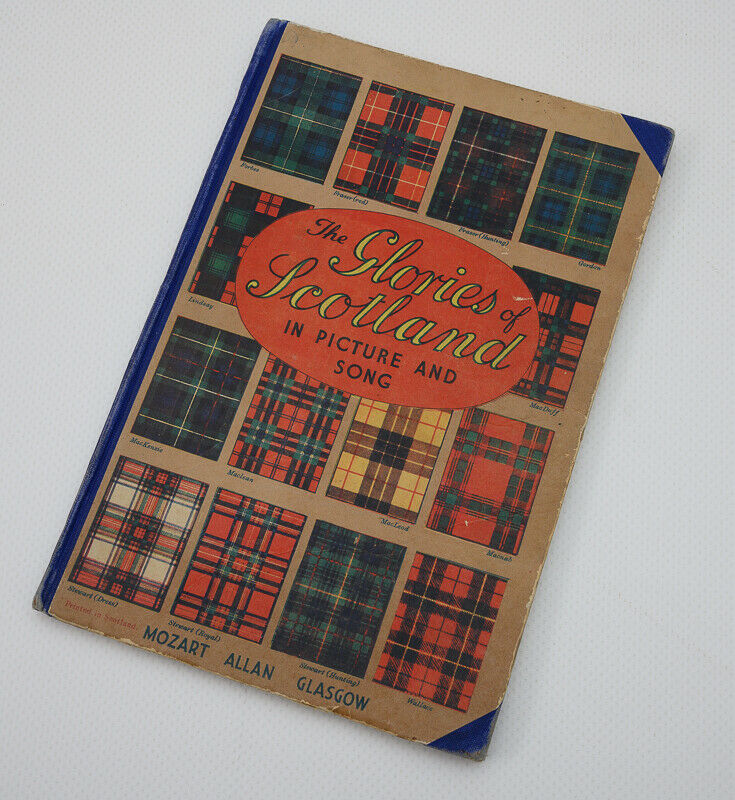
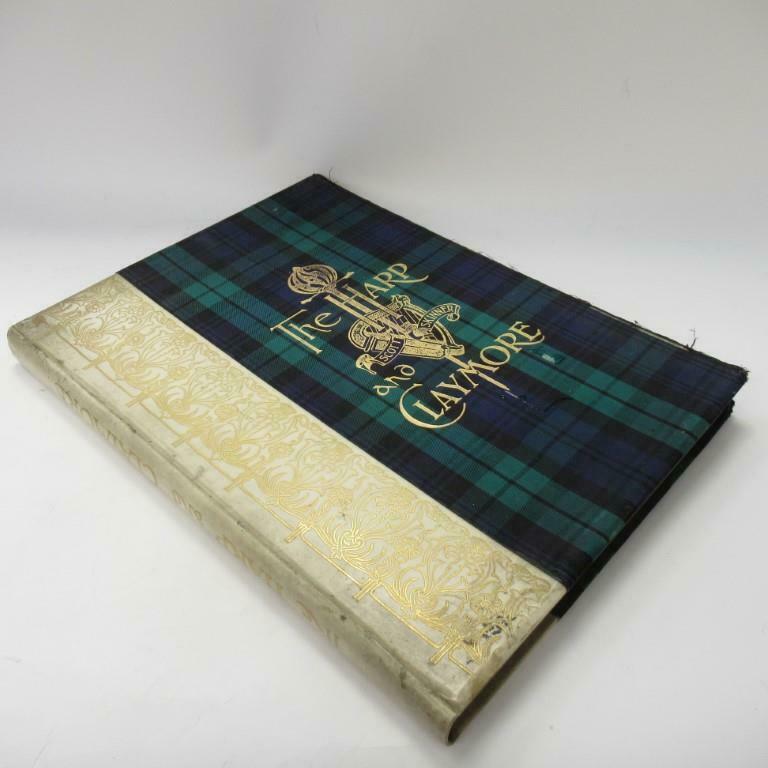
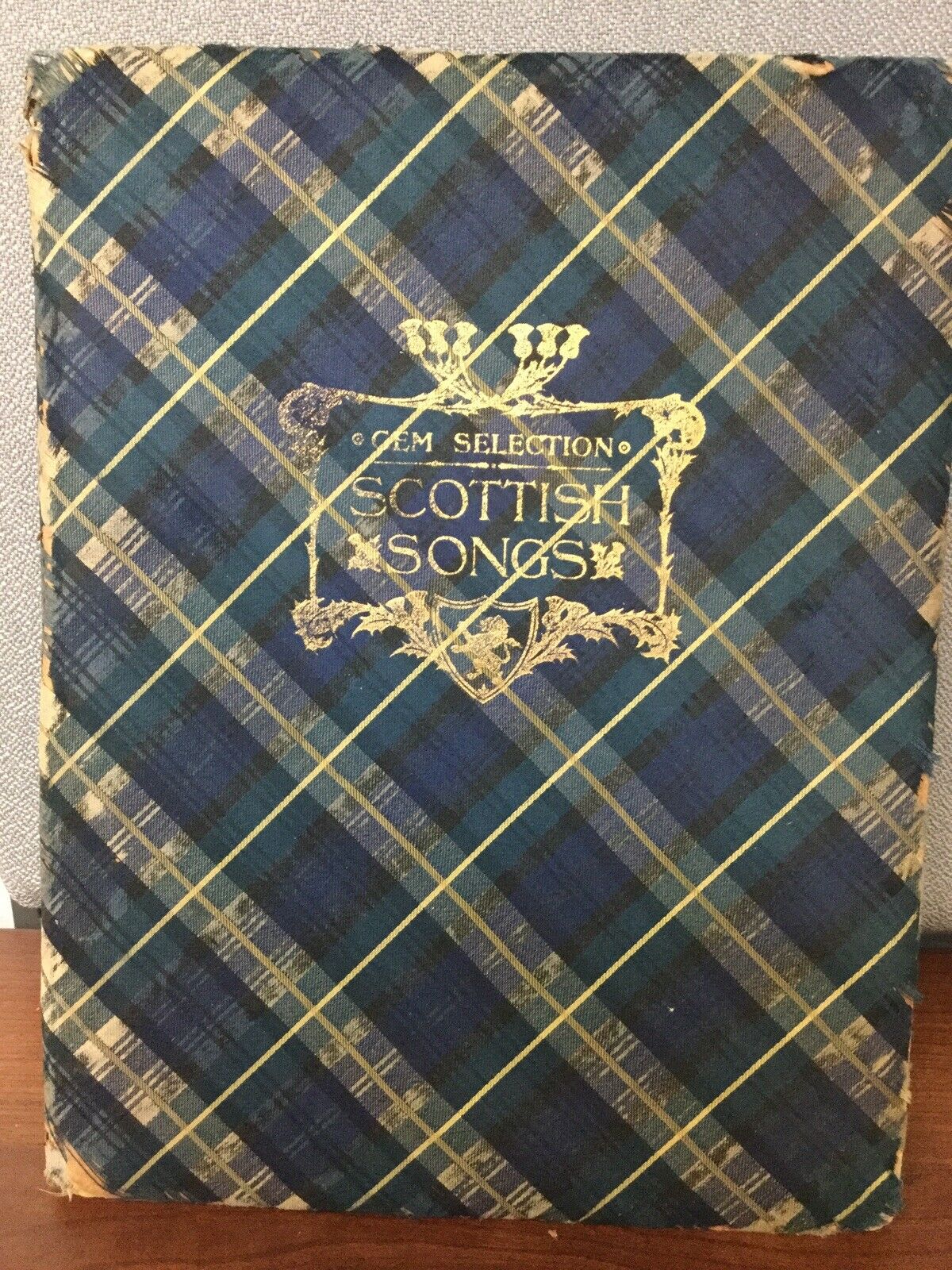
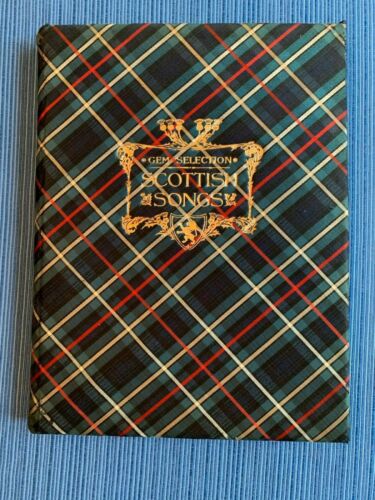
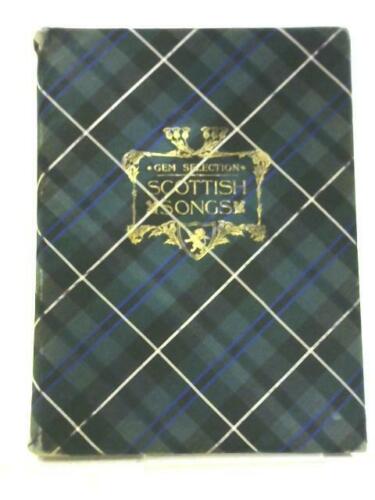
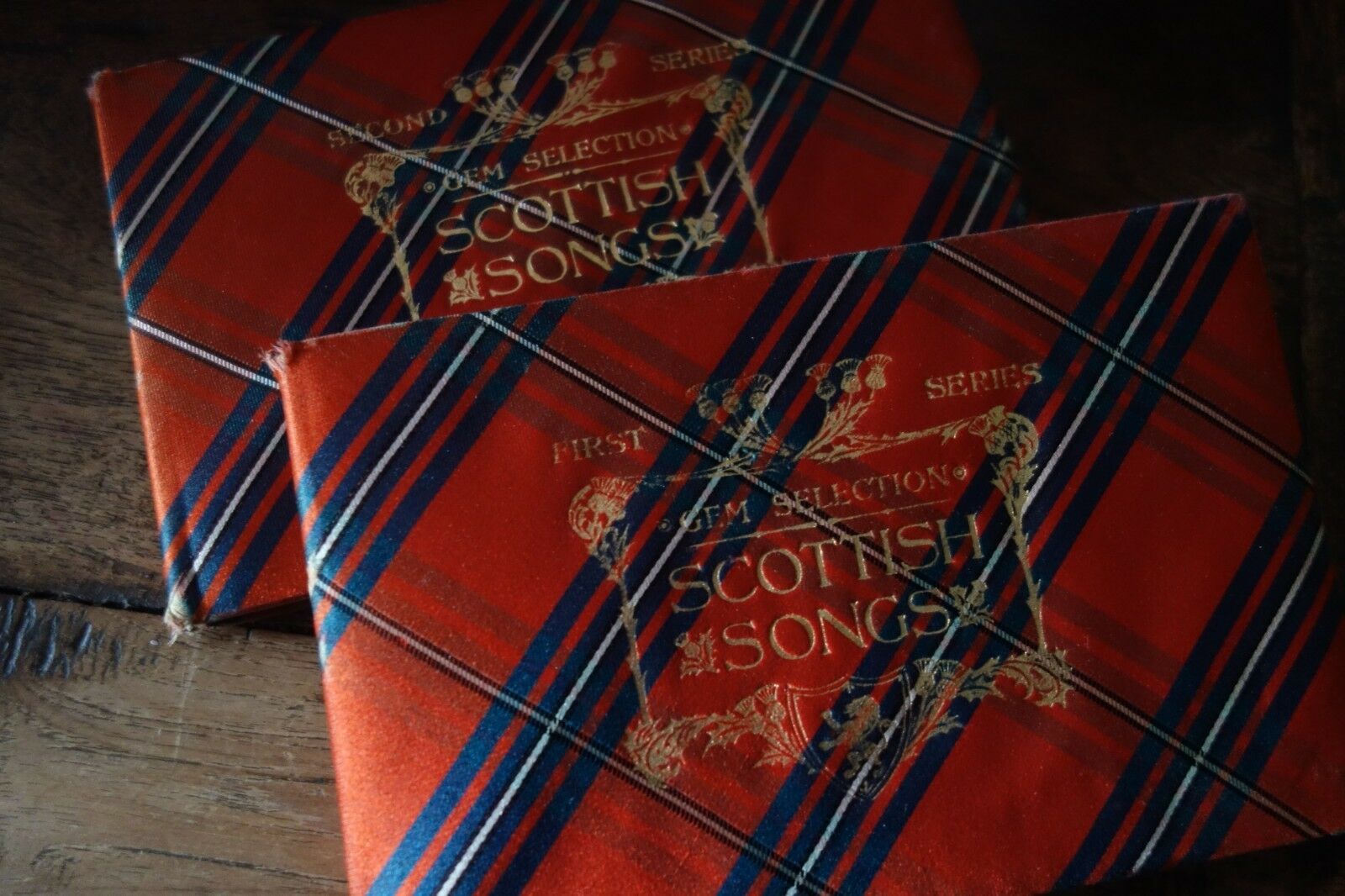
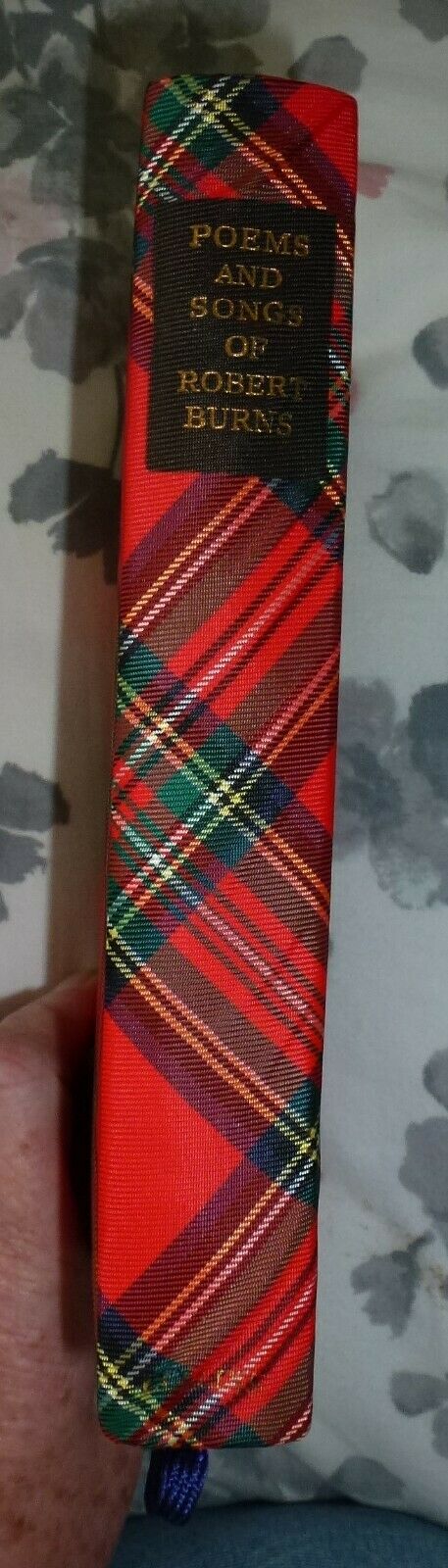
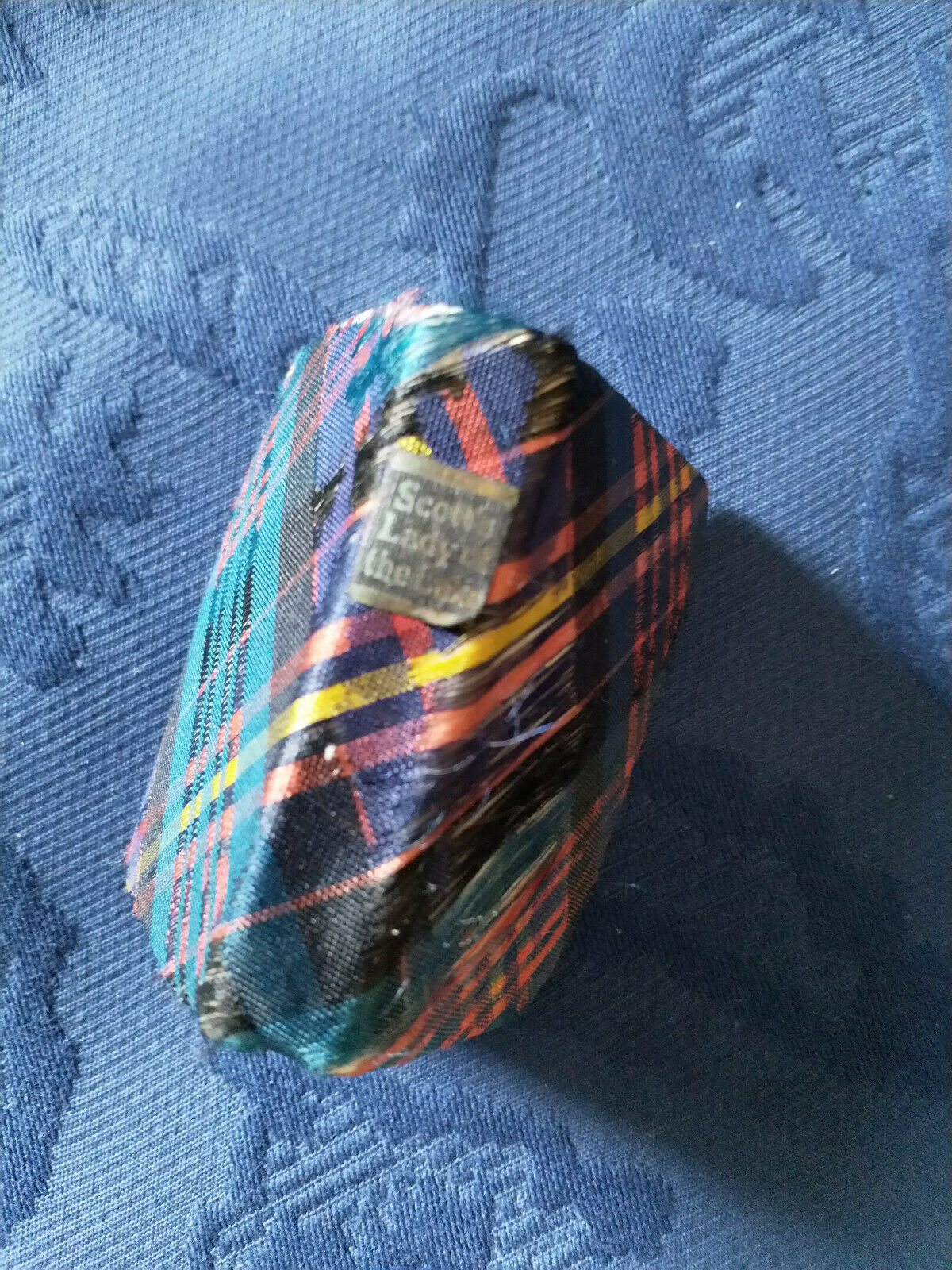
So they say! Very well, but whatever the era, and the differing nuances in the contents, there’s no denying tartan was often used as a cover for books of Scottish songs, Scottish poems, stuff by Robert Burns, stuff by Walter Scott (there was a firm specialising in miniatures, like this picture of Scott’s The Lady in the Lake ballad, no music here) …
A few years ago, I published an article in a librarianship journal, about librarians teaching, and the question of teaching music students about paratext in early national song collections.
Let me state here and now, my approach to article titles has changed, and I would never again try to be ‘clever’ or controversial in this regard. A perfectly acceptable article was made to look flippant, or even worse, by my woeful enjoyment of puns and double-entendres.
Nonetheless, because I’d like to share the article, I’ll endure the embarrassment of sharing the title with you. This is a pre-publication version, which I’ll also upload to our institutional repository in the near future:-
‘Sexy’ bibliography (and revealing paratext)
Engaging with students in teaching bibliographic citation, and demonstrating the significance of paratext in historical national song collections.
In connection with my continuing interest in paratextual matter in national song and dance music, I’m sharing some postings I wrote whilst I was a postdoctoral researcher on the Bass Culture project. (See hms.scot for the web outcomes of that project).




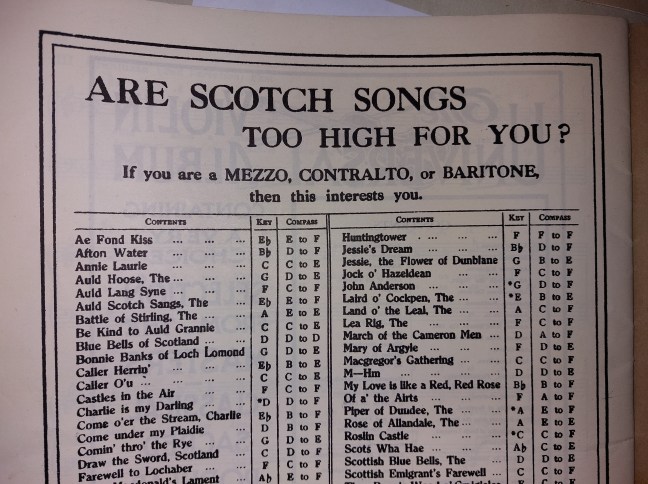


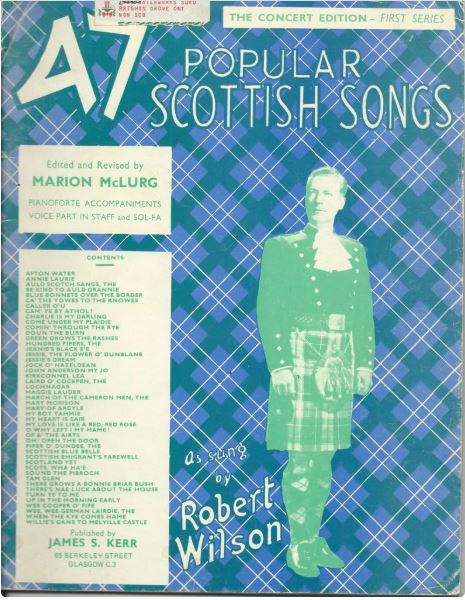
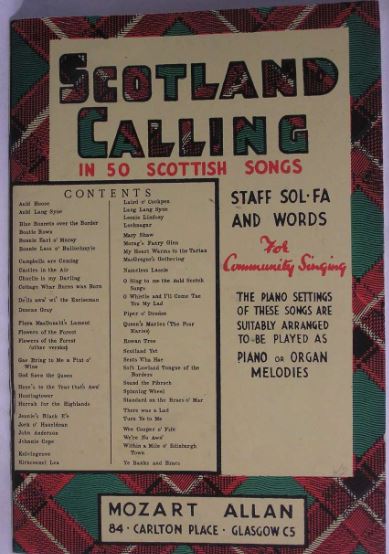



 Engaging with students in teaching bibliographic citation, and demonstrating the significance of paratext in historical national song collections.
 Karen McAulay, Musicologist