

It’s fair enough to say that I find spreadsheets endlessly fascinating, although I don’t use them for number-crunching. However, they’re invaluable for comparing data. In fact, I discovered this before I even knew the word, ‘spreadsheet’, since I did some repertoire comparison for my Masters research degree on mediaeval English plainsong uses at the University of Exeter in 1979-80. It was a 60K-word Masters thesis – I’d intended to continue it to doctoral level, but decided instead to write it up as a Masters then changed subject for the PhD. (And that became my first doctoral attempt, the one that never got finished.)
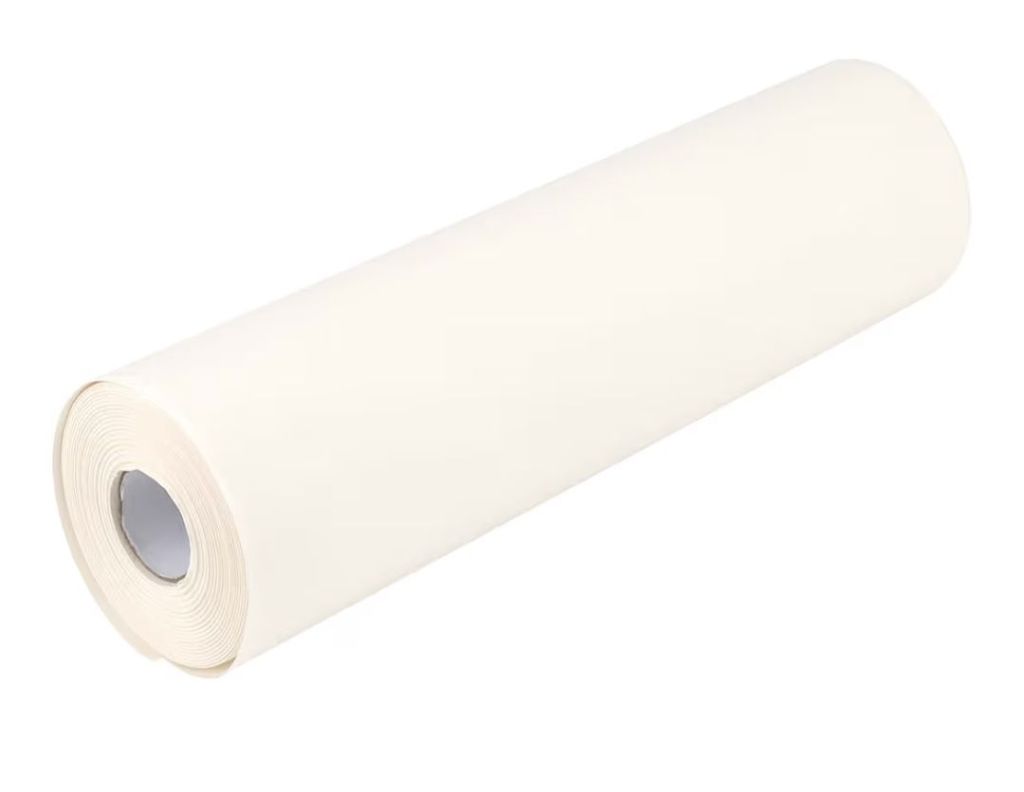
This was before the era of personal computers. My data was tabulated manually on a very long roll of kitchen shelf-lining paper, which opened out the full length of the Music departmental library in ‘Knightley’ on Streatham Drive. I compared post-Pentecostal Alleluias and sequences from various English liturgical manuscripts, along with pieces of plainsong from an Augustinian burial rite, now in Shrewsbury public school library. That’s nearly as much as you need to know about my Masters!
Computer Science? Yes, Indeed!
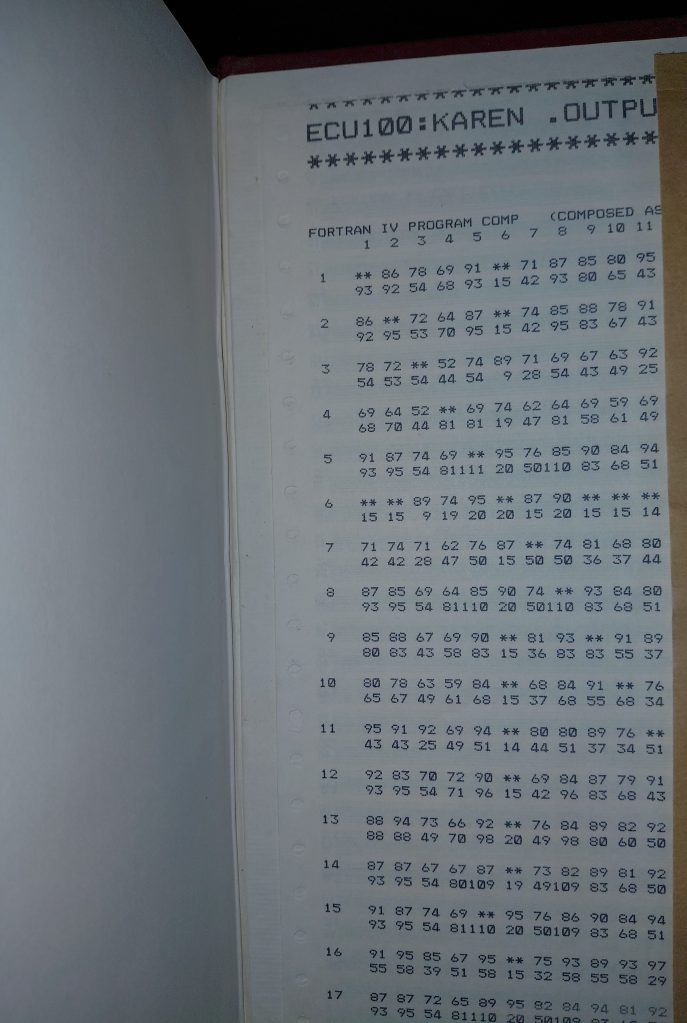
However, one other interesting fact is that I was the first music postgrad to involve the Computer Science department in my repertoire analysis. I filled in cards – or forms, can’t remember which – which were input by the computer scientists to arrive at statistics as to how much different categories of plainsong correlated in terms of repertoire, across different monastic orders and geographic locations.
If you were interested in that Master’s research, this is how you’d find it in Jisc Library Hub Discover; it hasn’t been digitized, to the best of my knowledge:-
- Karen Elisabeth Manley, English mediaeval liturgies and their plainsong. Exeter, 1980.
The Magical Microsoft Excel
Since my second incarnation as a musicologist in the present century, I’m sure you can imagine how exciting it has been to be able to compare repertoires of Scottish song in a variety of different contexts. But this time I can save my spreadsheets safely – they’re much more portable and more readily manipulable.
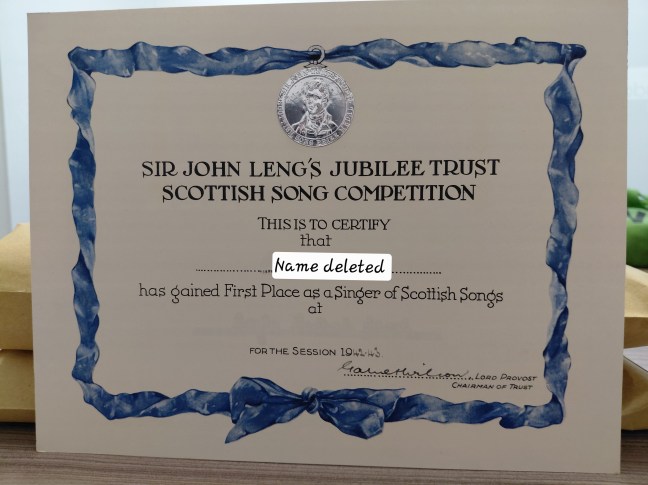
In the context of my Leng Medal research, my ‘cup truly overfloweth’ this week, since I’ve seen lists of songs sung, enabling me to see how tastes have changed over the past sixty or so years. I’ve been comparing what was sung, against a few different song books available at particular times. Obviously, I can’t compare ALL the songs against ALL the song books that exist – I would surely go insane! Indeed, I couldn’t even capture ALL the data for every single year over that period – I simply didn’t have time. But carefully judged snapshots are certainly giving me food for thought. I’ve had endless fun today, producing charts and tables to examine the data in different ways.
The Most Popular Songs sung by Leng Gold Medal Finalists
Oh, did you think I was going to tell you which they were? Sorry, not at the moment – I need to keep specifics for when I write my research up later! It’s certainly interesting, though.
I only picked nine different years for close examination. Suffice to say, they have given me plenty of hard data to set my oral history interviews in context.
And not a roll of shelf-lining paper in sight nowadays!
My Leng Medal Memories research is funded by an Athenaeum Award from the Royal Conservatoire of Scotland.

 Karen McAulay, Musicologist