Why This Matters:
Here we are in 2026 and women composers still don’t get their share of concert performances. Neither do those from the global majority. I’d appreciate it if, after reading this post, you could please share it as widely as possible. Thank you!
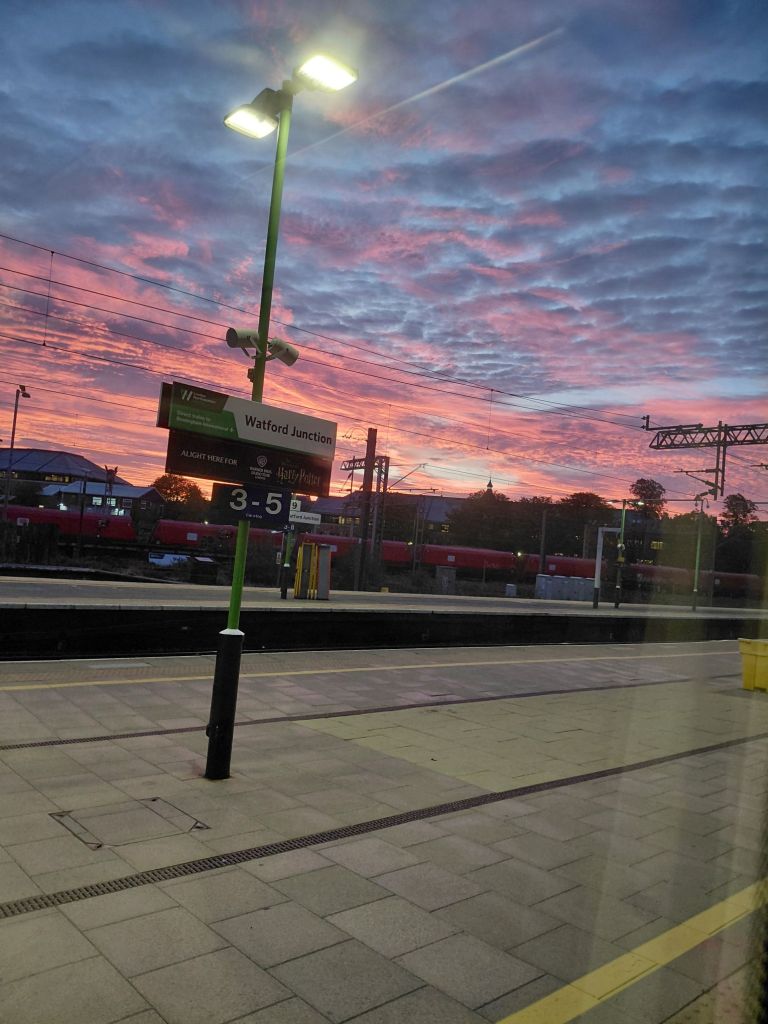
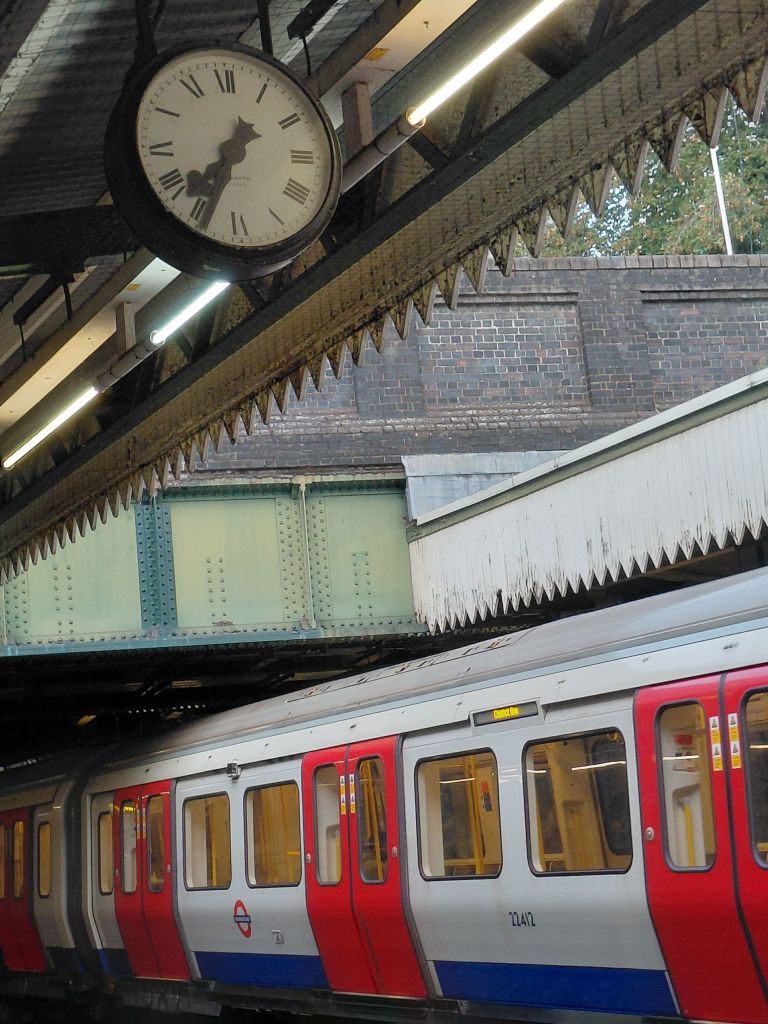
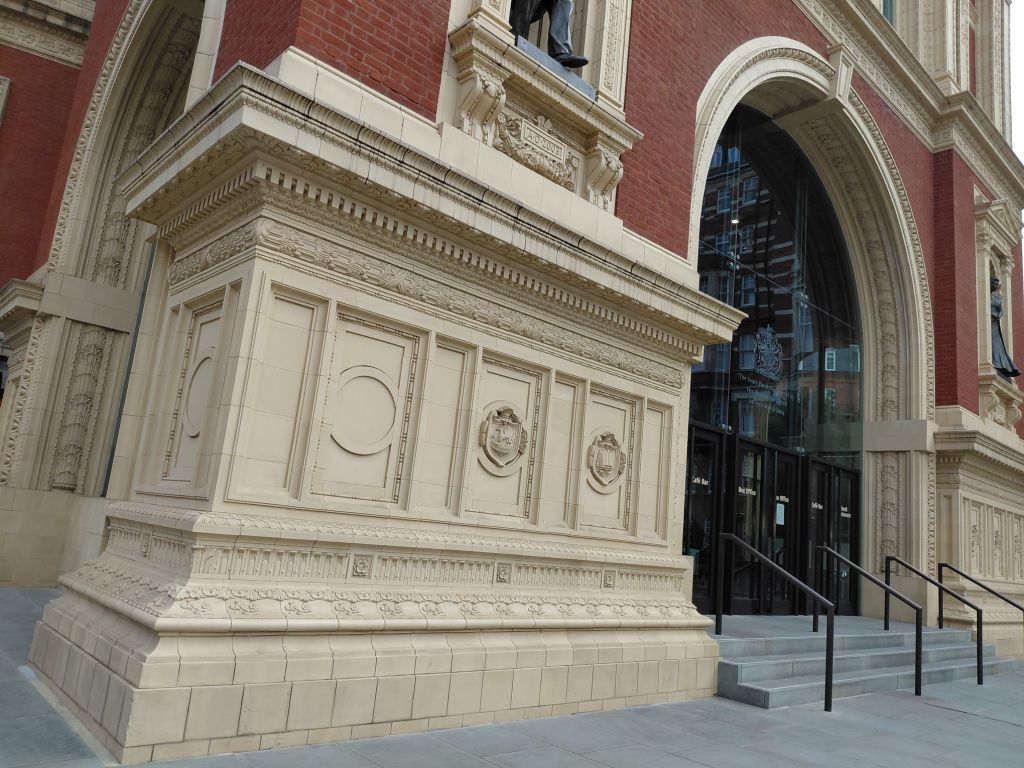
When I received an invitation to the launch of the Equality and Diversity in Global Repertoire 2025/26 report – at the Royal Albert Hall, no less – I hesitated for only a few seconds – it’s not exactly just down the road! And the trouble with the overnight sleeper (apart from the insomnia) is that you get there far too early…
But, as I outlined in my last post,
If an opportunity presents itself, and you find yourself hesitating, ask yourself this one question:- If I pass this up, am I likely to regret it later? That, rather than other people’s opinions, should be your deciding factor.
Karen McAulay Musicologist blog, 22 Sept 2026
You have to be ‘in the room’ to be part of the change you want to see effected. So, since I had been invited, there I was.
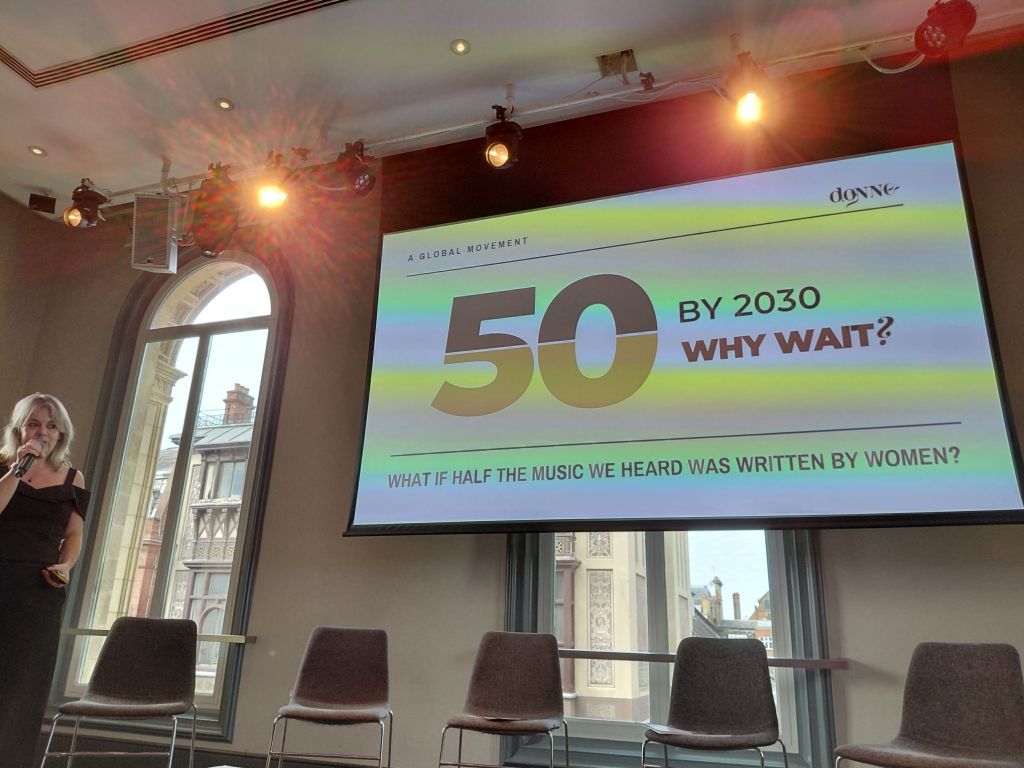
I considered it an honour to attend the launch of the latest report of orchestral performances, comparing ratios of music by men and women, broken down further into music by living and deceased, white and global majority composers. The previous report had actually shown a slight downturn in the figures for women and global minorities, but things were marginally on the up again this year. However, Donne are impatient to see much bigger changes, and much of the talk not only by panellists but also invitees, was about how to quicken the pace.
It depends on so many things – boldness in programming. Funders. It’s not that the will isn’t there, amongst performers – artistic directors also need to be ready to make the changes. Not just having a ‘token’ woman’s piece on a programme. Capturing the interest of the audience. And recognising that it’s not enough just to premiere a new piece – because often we need to hear something more than once before we feel it’s something we like and would like to hear more of.
A distinguished panel had been convened, drawn from PRS Foundation; Black Lives in Music; the Musicians’ Union; one of the Oxford Colleges; and the Association of British Orchestras.
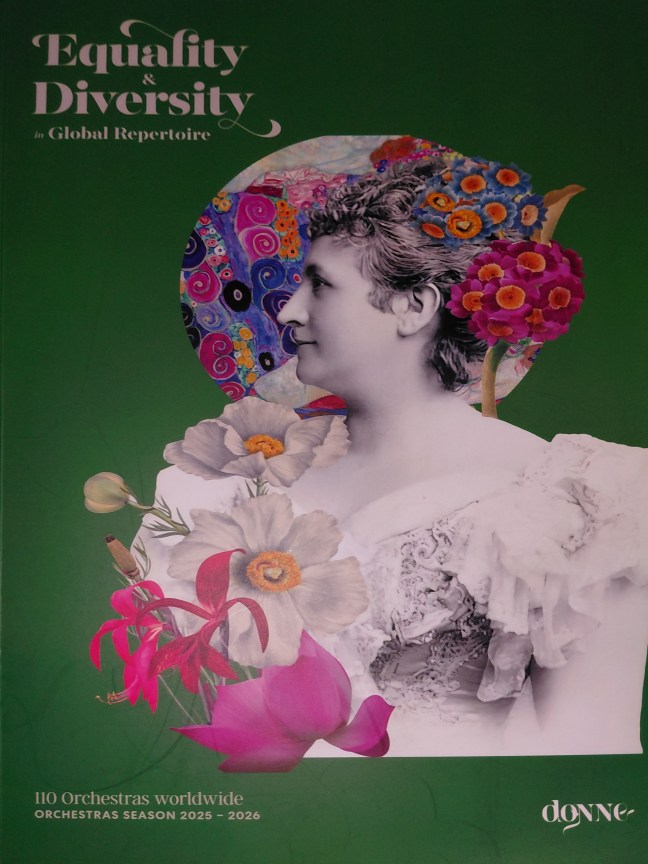
Equality and Diversity in Global Repertoire: 110 Orchestras Worldwide, Orchestras Season 2025-2026 / Donne, 2026.
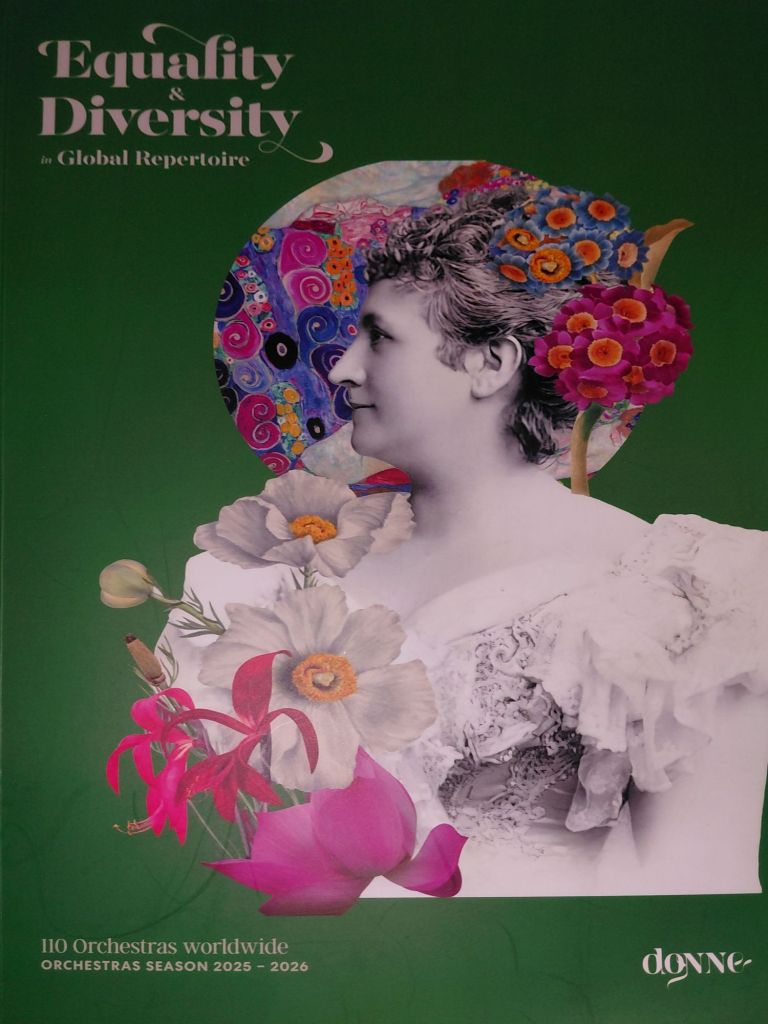
You can find the report via the Donne – Women in Music Facebook page. It’s also worthwhile signing up to receive news from Donne (it’s the Italian for ‘women’, so you pronounce it ‘Don-ne‘) – I’ve just received the link to the latest report and highlights from the analysis.
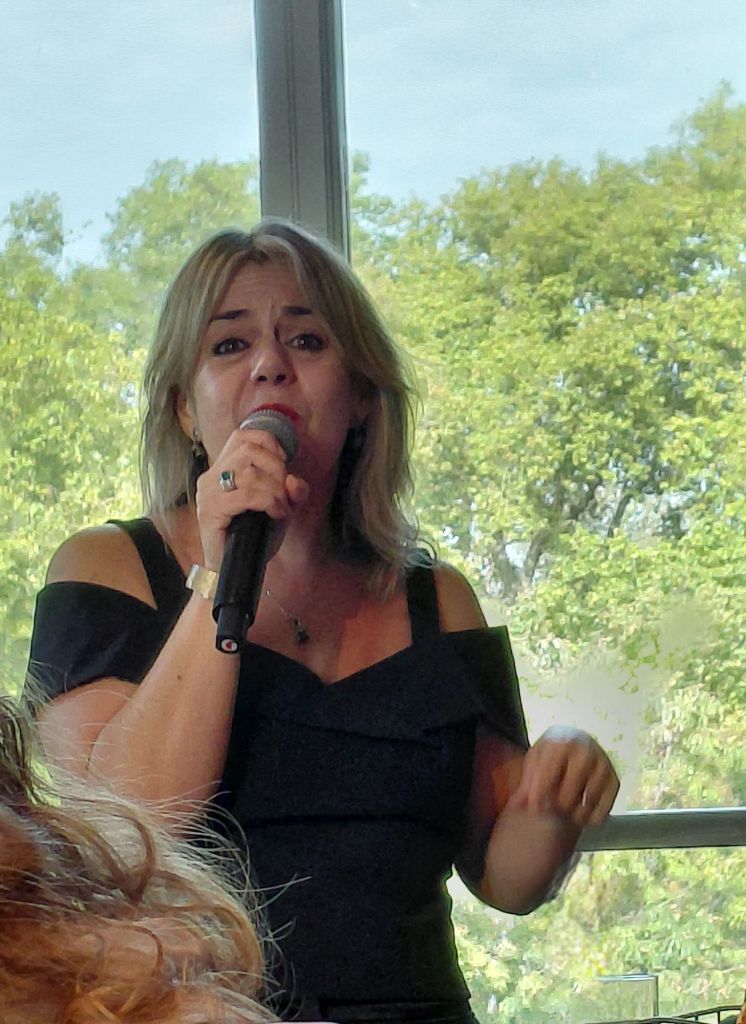
And you’ll also learn about the latest very ambitious initiative, ’50 by 2030′. Donne founder Gabriella Di Laccio, MBE, is impatient to see a 50:50 balance of music by women and men by 2030. The current 8% ‘is not enough’, she says.
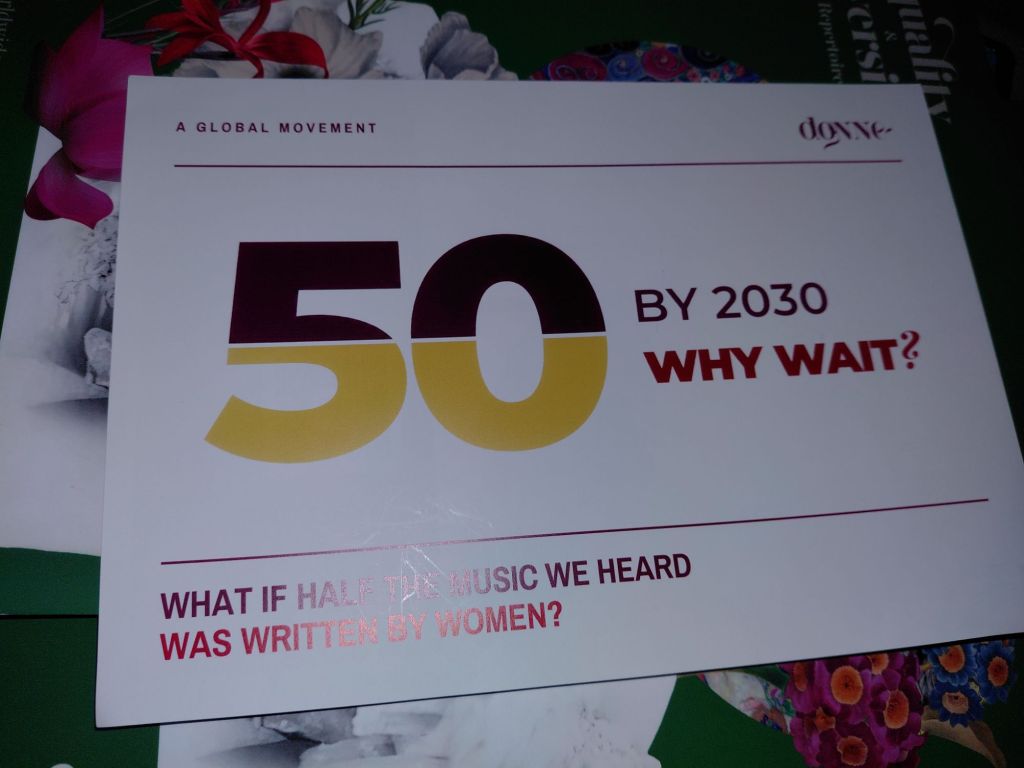
Put that way, who could argue?!
From the floor, we were encouraged to share our own insights. I hung back, but eventually couldn’t contain myself, and shared my opinion that if we wanted children to know about women’s music, and not just canonical (mostly deceased) white men’s compositions, then most crucially, we needed to target student teachers. If teachers aren’t sufficiently well-informed about women’s compositions, then the next generation will continue to miss out on what women have created.
I also mentioned my efforts to get as much music by women composers as possible into the Whittaker Library at the Royal Conservatoire of Scotland particularly in my last five years as a librarian there. (I got applause! There you are – my reward for speaking up.)
After the formal discussions, there was time to network before we all went our separate ways. I caught up with an acquaintance and met lots more.
And managed coffee with our London-based offspring before heading back home. A great day out!
Please don’t forget to share this!