Risk-Taking, My Way

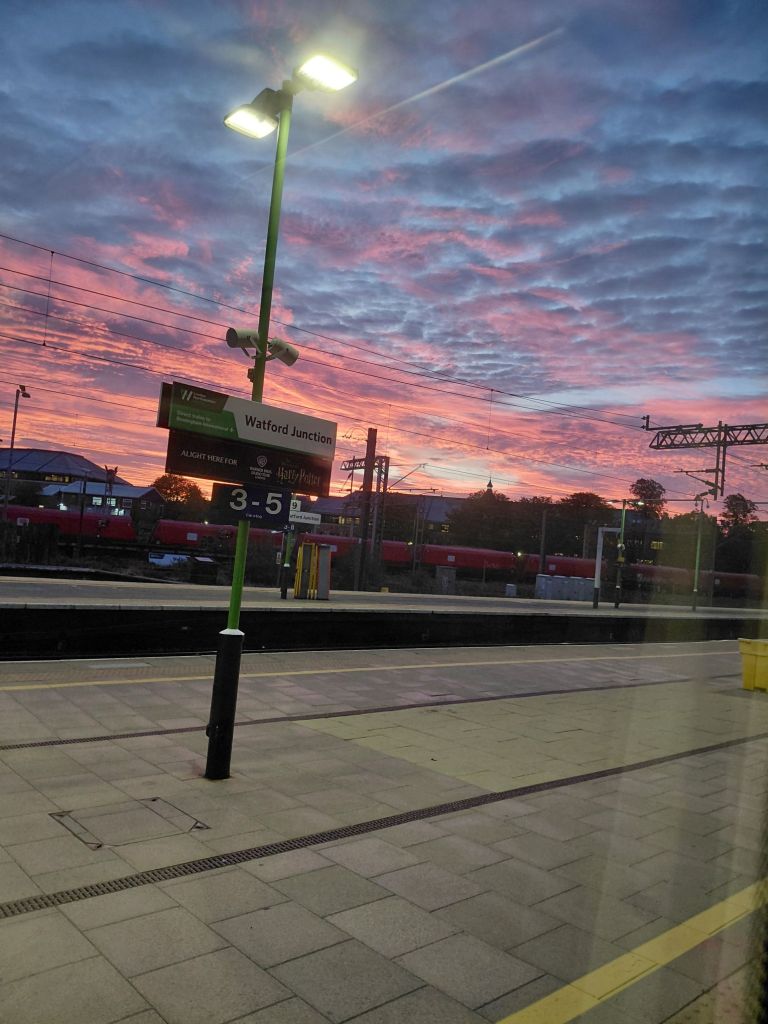
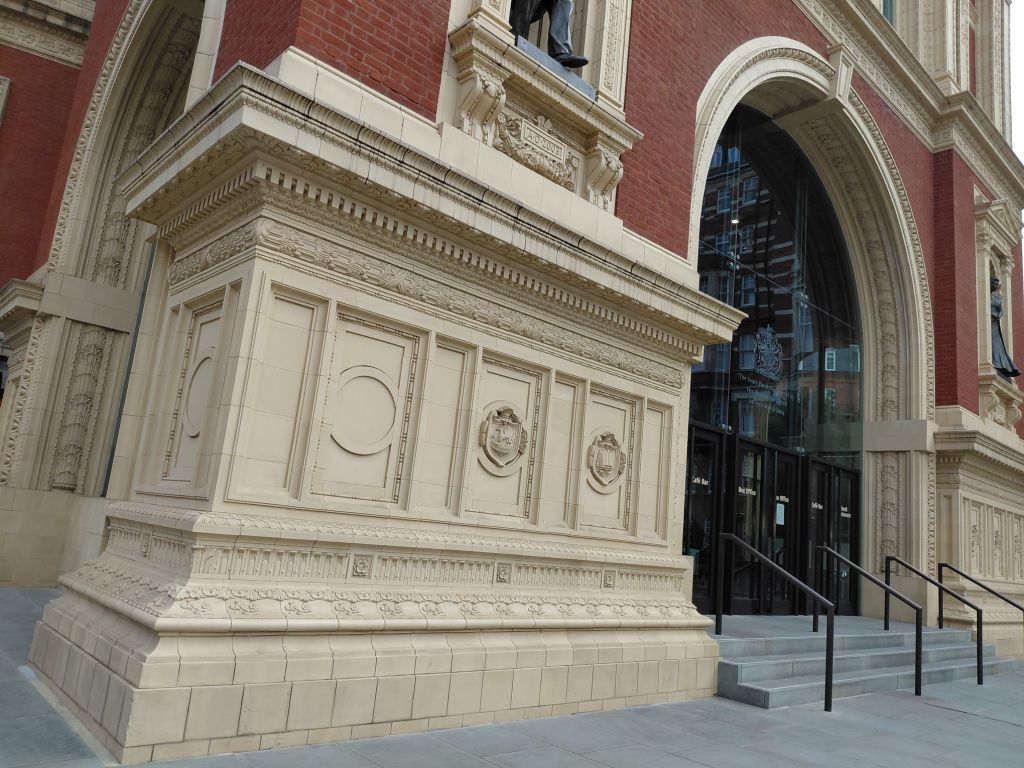
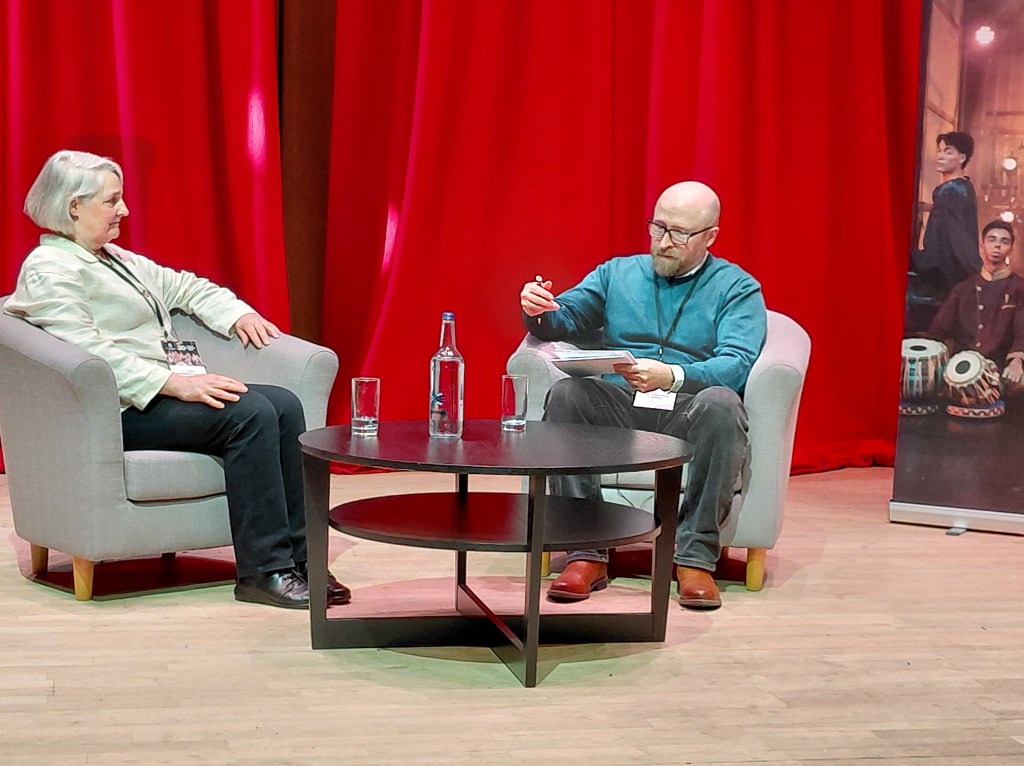
Today was the final day of the Women and Musical Histories conference at the Royal Academy of Music.  It has been both enjoyable, and highly informative, and there was enough live music to make it feel like a real treat.  Presentations and performances alike were of a very high quality.

My presentation was in the final session, so I had two days of debating with myself as to whether I’d play that musical example.

PROS

  • It would quite possibly be the first performance since the 1940s, if not before.
  • No-one will have heard Rose’s music before
  • It’s lovely
  • It has THE most wonderful, powerful ending.

CONS

  • I once played a simple example (on home ground), made a tiny slip, and someone sniggered.
  • I’m a scholar, not ‘a performer’.
  • Dare I reveal my shortcomings within the hallowed walls of another conservatoire?

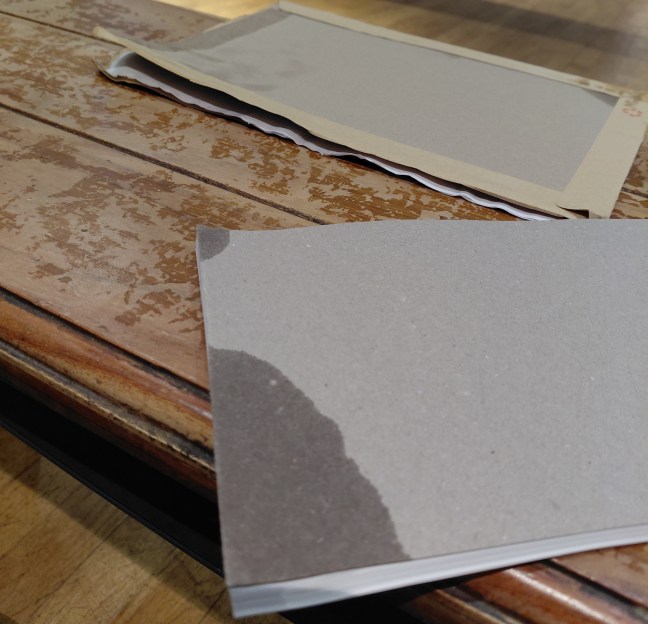
I had brought a scanned copy of Rose Smith’s last verse, as a precaution against losing it in transit.ย  Since I may have the only privately-owned copy, I couldn’t risk bringing it with me.ย  This turned out to have been a wise precaution,ย  because a torrential downpour rendered my scanned copy very soggy round the edges!ย  Nonetheless, it dried out enough that I couldn’t use the sogginess as an excuse.

I heard someone warming up for a lecture recital, and almost took fright.  Who did I think I was?!!

‘Tell the audience you were a librarian’, a friend advised me. Well, that was a better idea than confessing that I didn’t rate myself very highly.  I know better than to put an audience off by sowing seeds of doubt in their minds!

Finally, I convinced myself.  A bit like when I was deciding whether to have another go at a PhD, back in 2003, I asked myself the question that usually helps me make up my mind.

Will I regret it if I don’t do this?

I took a deep breath. ‘I used to be a librarian, not a performer’, I stated. ‘But I’m going to play you an example of Rose’s music.’

It was an absolutely fabulous piano! Quite exhilarating.

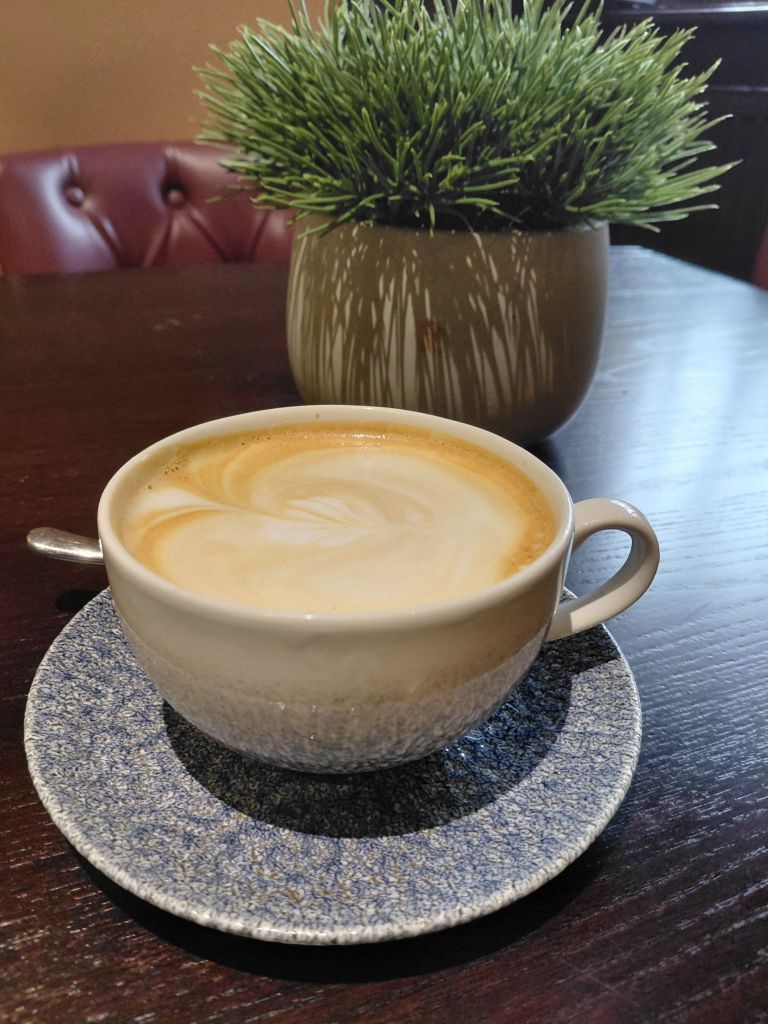
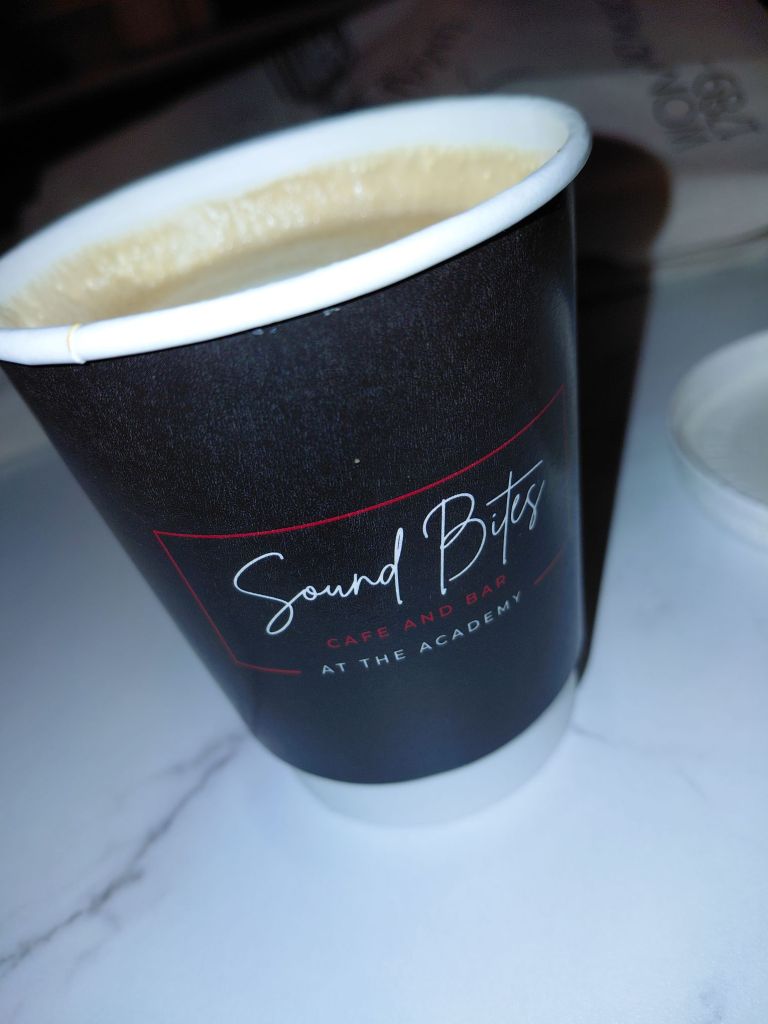
An Appropriate Coffee-cup …

Respectful Academic Writing.

'RESPECT'

I wrote my conference paper a couple of weeks ago. Timed it, trimmed the word-count, timed it again. (Repeat that a few times!) And then today, something occurred to me. Not all at once, no. In stages, let’s say. To start with, it was just a question of technology: wouldn’t it be better, I mused, if I used the tablet rather than a wad of paper? On went the tablet. And (not that I noticed at first) off again. I eventually realised that it needed charging – it’s ages since I last used it. Whilst I waited for it to become functional again, I looked at my paper one last time, thinking I’d just make sure it was absolutely perfect before I looked at it on a different gadget.

And that’s when I spotted it – I could call it a major faux pas, or I could blame it on my generation.  Well, that’s a cheap excuse, isn’t it? Not acceptable. If I want to be accepted as a scholar who is still on the ball, still at the top of her game, then I can’t lamely whimper that I didn’t realise what I was doing was disrespectful …

Equality

It’s a relatively recent academic writing protocol, and one that was long overdue: men and women should be written about with equal respect. By that, I mean that if you wouldn’t refer to Elgar as Edward, then you can’t justify calling Mary Wollstonecraft, just Mary.  Elgar is Elgar, and Wollstonecraft is Wollstonecraft.  Otherwise, it’s not only disrespectful, but diminishes the woman’s standing.

Mary-Anne Smith, Rose B. Smith, Jane Sillars, Flora Woodman …

Now, in my paper, I’m not talking about big names like Elgar or Wollstonecraft.  But I realised that I’d fallen into the trap. Mary-Anne, Rose, Jane and Flora deserved better. They needed their last names.  So I got stuck in.

It’s just a bit more complex than you’d think, especially when you are not only writing about the women, but are also mentioning their menfolk. You can’t refer to three different Smiths as plain, ‘Smith’. But ‘Mr, Mrs and Miss Smith’ doesn’t work, especially when Miss Smith kept her ‘Smith’ professionally after marriage. 

Then there’s the unmarried mother who identified as ‘a widow’ in at least one official document – but married some years later. At which point her daughter’s name changed. (Had she actually got married another time before the marriage I know about, wouldn’t her daughter’s name have changed then, too? But it didn’t, so I’m taking it that ‘widow’ was being used diplomatically. We’re talking of the Edwardian era.)  In any case, her marital status is of absolutely no concern to me, but I am concerned that she and her daughter are called the right names at the right time!

Need I continue? 

And, grammatically, if two individuals with the same last name get mentioned in the same sentence, then either you need to use first names as well, or rephrase for clarity. ‘Her daughter’ and ‘her mother’ are very useful substitutes!

Sometimes it’s just a question of being pragmatic. I haven’t, indeed I couldn’t excise all stand-alone first names.  But I think I’ve improved it. I’ve shown due respect to all the individuals I’ve written about – most of them women.

I do believe I’ve finished my revisions!

Women and Musical Histories, 1789-1914. Conference 2-4 September 2026: Website

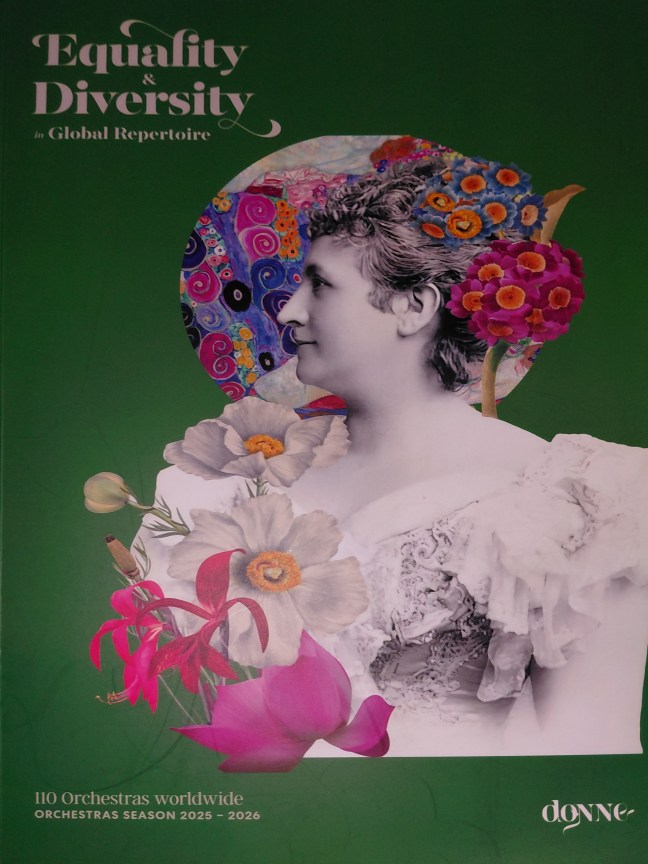
Old photo of a woman

I’m looking forward to my trip to London for this conference this week, and I’m grateful both for the invitation to give a paper, and for the support from my home institution, in the form of a Royal Conservatoire of Scotland Athenaeum Award. I thought it would be worthwhile sharing the link to the event again, now that the programme has been finalised.

Women and Musical Histories, 1789-1914

The organisers have shared the following information:-

The final programme can be accessed directly here:

View the full conference schedule.

A more comprehensive programme, including all presenter abstracts and biographies, is accessible as an Exposition on the Research Catalogue platform.

My paper is on the final afternoon, Friday 4th September:-

โ€˜The Trumpet Majorโ€™s โ€˜Poetessโ€™ Widow; the Scottish Shipping Magnateโ€™s Daughter and the Retired Barrister: The Importance of Parental Support to Musically Gifted Girls in the Late Victorian and Edwardian Erasโ€™.

ABSTRACT

Although Iโ€™ve encountered few womenโ€™s names in nineteenth- and early twentieth-century Scottish music publishing, I recently published an article about the five women that I did find. (Two were English by descent, but they all grew up in Scotland.) Meanwhile, in other unrelated research, I encountered a London-born Scotswoman with a completely different background, who made her career as a high-flying soprano recitalist. The common thread was their family background and/or support. In todayโ€™s paper, Iโ€™d like to focus on Rose Buchanan Smith (1870โ€“1942), one of the Scottish-born Englishwomen, and Flora Woodman (1896โ€“1981), the London-born Scot. The cut-off date of this conference, 1914, is significant for both women: itโ€™s the latest possible date for Kerrโ€™s fourth book of Kerrโ€™s Merry Melodies, in which I first encountered Roseโ€™s name; and the year of Floraโ€™s concert debut in Londonโ€™s Bechstein Hall.

One cannot generalise about womenโ€™s musical careers on the strength of two womenโ€™s stories. Nonetheless, when there are comparatively few stories substantial enough to draw any inferences from, those that do survive must perforce carry more weight. In my research, I have realised that it is sometimes surprisingly useful to attempt comparisons between individuals whose lives were entirely unconnected. How did these women curate their careers? What influence might their parents have had? Might their mothers have had a particular influence or been especially supportive? What about marital status? Did being a Scottish-born Englishwoman, or a London-born Scotswoman, have any particular effect on their careers? Did they make use of professional networks? And was the advent of new technologies reflected in their musical activities? I shall outline the resources to which I had access, in tracing their path from adolescence to late middle-age, and demonstrate the importance of families to a young Victorian or Edwardian woman establishing a musical career.

This project has been supported by the Royal Conservatoire of Scotland’s Athenaeum Awards.

Image by chenspec from Pixabay

Juggling Act! 10.5 Hours, One Project, One Distraction

Cartoon picture of children singing

The heading is here to keep me in line. I’ve written the paper on my two fin-de-siecle lady musicians, for next week’s conference. I’m slightly obsessed with them both, to be honest – especially their family history. (Parents James and Mary-Anne Smith, for example!)

But today, I’m getting back to my Dundee Leng Medal Memories transcriptions. Contractually, I work 10.5 hours a week (research at other times isn’t ‘work’), and this week the genuine working hours are dedicated to the social history behind the Dundee Leng Medal. I’ll try to avoid distractions, though I can’t promise not to open tempting emails relating to the Smiths’ back history!

Dundee, here we go! (Metaphorically speaking. I’m not planning any trips this week.) And if you were wondering why I need to check auto-transcriptions, then let me give you just a few wee examples:-

Teams Transcriptions

Teams generally manages just fine with the Scottish accent, but obviously, it cannot know old Scottish songs, and occasionally it is completely stumped. Anyway, I’m getting a few smiles … try these:-

Image by Henry Bell from Pixabay
  • ‘Just a wee dog and Doris’ (the song that Harry Lauder didnae sing?)
  • ‘The paper of Dundee’
  • ‘You banks and brays’ (close!)
  • ‘June wrongly’ (you will never work out what that was meant to be?)*
  • Kayleigh dancing
  • A place called ‘Canusti’ ???! [Carnoustie]
  • ‘The first few words would be a bit cheeky’ [but they actually said, ‘shaky‘!]
  • ‘First of all, I’ll come to you, my lad’ [ie, Whistle and … ]
  • ‘Are he the Norse’ [a Welsh song, that’s your clue here!]
  • ‘When the guy comes in’. Let me give you a clue:-

Main Image by PublicDomainPictures from Pixabay

*’June wrongly’ was actually a song entitled, ‘John Grumlie’.

Back to Work Now

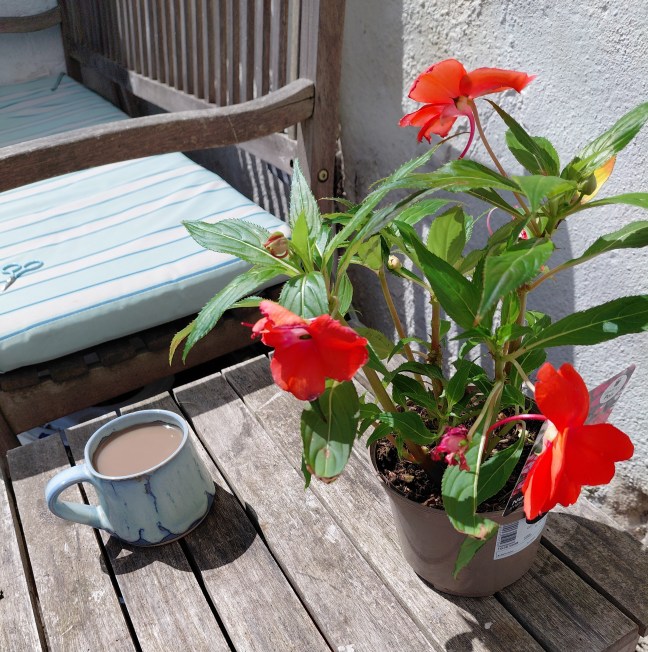
Busy Lizzie plant on garden table, with cup of coffee

I’m back at work after a month’s vacation (I confess that I was rather lazy), and now I must get back both to my Dundee Leng Medal research, AND to writing a paper for a conference at London’s Royal Academy of Music: Women and Musical Histories, 1789-1914.

Recent Summers

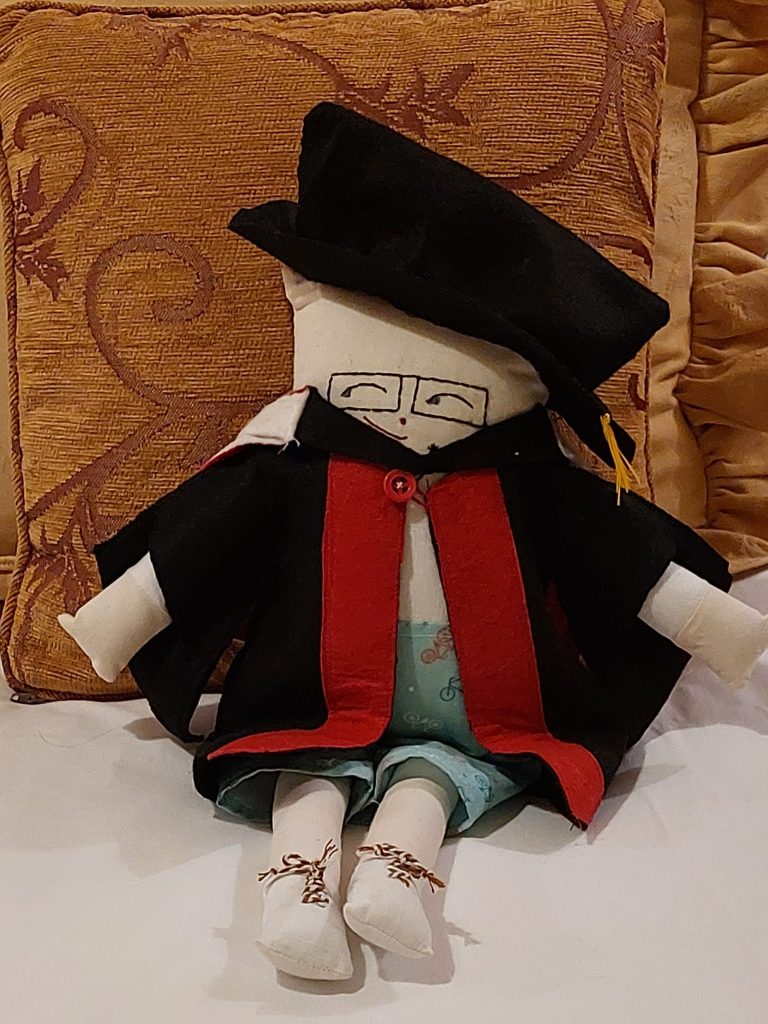
'Don', one of the IAML Cambridge Congress mascots, clad in academic robes

I’m reminded by this, my own blog, that I was attending the International Association of Music Libraries’ Congress in Cambridge, this time in 2023. I particularly enjoyed hearing the talks about early film music.ย 

I wasn’t speaking on that occasion.ย  No, my input was merely in various social media aspects: I was running the social media campaign for and during the event, and I’d created a trio of conference mascots – Cam, Bridge and Don – whom I employed in social media posts. (I don’t know what happened to the first two, but Don was given to a wee girl at church, and has enjoyed a comfortable retirement in a family setting.)

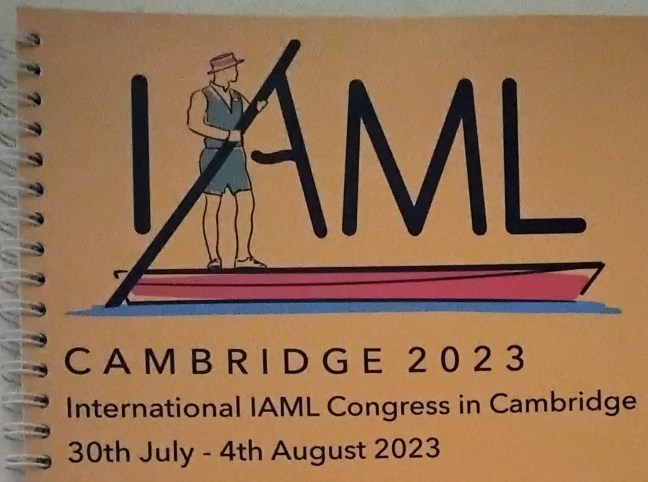
IAML Cambridge 2023 programme logo

I’d also come up with the IDEA behind the conference logo – a chap on a punt, incorporating the IAML abbreviation. Well, it was Cambridge! I hasten to add – I wasn’t the artist. The IAML Cambridge Congress feels like a long time and another lifetime ago!  I was already aspiring to a new part-time research existence, but envied another delegate who already had theirs’ lined up, being a tiny bit closer to retirement age than I!

And by this time in 2024? I’d retired from librarianship, but I was rather busy on final tweaks to my second monograph. And 2025 saw a rather unsettled summer, which we’ll gloss over.

Miss Marple – my Alter Ego?

Anyway, this year, I decided it would be a proper vacation, even if I didn’t spend it travelling or sunbathing. I achieved this moderately successfully. However, last weekend I decided I’d ease myself back by having another go at some detective work which had failed on all earlier attempts. My earlier research had focused on this individual’s daughter. Now it was the parent who intrigued me. But again, I drew a blank, after I don’t know how many hours. I cannot trace documented evidence of youthful musical activity by this individual, although I know that she was her daughter’s first singing teacher – and I have my own hunches about some of the books they might have used!

This is not to say that I found nothing. I know where the mother was born – no more than a couple of miles away from where I’m sitting today, in a large house that is no longer there.* It would be fair to say that the neighbourhood has gone down significantly since then! I know where she subsequently grew up (an even larger house in a very nice neighbourhood, again a couple of miles from where I’m sitting today, but on the other side of the M8 motorway). I know where her parents came from, too. And I traced her mother’s retiral from the family business. I even found a blogpost about a family grave in the Glasgow Necropolis.

However, the sad fact is that if a wealthy young woman was musical, but there’s no newspaper documentation of her ever performing publicly, then there really isn’t very much to go on. Try as I will, I can find no mention of her at school, or singing, being a soprano or a contralto, ‘contributing’ (a common word in Victorian reportage of musical events), or even venturing into playing the piano/pianoforte. Her older brother and sister took part in a fund-raising bazaar hosted by the local church, but there’s no mention of ‘my’ subject there either.

I have visions of myself standing dolefully outside the large house that’s still standing, or on the corner of the street where the other house stood, or even in Glasgow Necropolis, literally trying to communicate with ghosts past, in my efforts to intuit how much music occupied her childhood and adolescent years. It would make not a scrap of difference, though!

Ah, well. Back to more pressing topics. Perhaps I have to give up on my Miss Marple endeavours.


*By this evening, I had realised that my bus route to work actually passes the junction where Floraโ€™s mother was born. It’s a curious coincidence, to add to the vacant site a bit further along the route, where James S Kerr’s first music shop was located.  Who knew the no.23 bus had such  historical links?!

Eagerly Anticipating this Conference: ‘Women and Musical Histories 1789-1914’

It’s a stroke of good luck that my recent research just fits into the scope of this conference, which is taking place at the Royal Academy of Music in London from 2-4 September this year. I’d agreed with my line-manager that I should attend, but I confess I needed a little nudge to actually complete my registration, since my head has been whirling with oral history interviews and the trip down south last weekend.

Women and Musical Histories, 1789โ€“1914

I’m going to give a paper at the conference, comparing the careers of two of my musical ‘heroines’. One featured in my recent RMA Chronicle article on ladies connected with the Scottish music publishing trade; the other has been mentioned by me elsewhere, but moved in completely different circles, in a different stratum of society. Anyway, the conference cut-off date of 1914 enables me to bring them together in my paper, so I’m looking forward to this opportunity to think about them again as I settle down to write it!

Image by Oberholster Venita from Pixabay

A Week with a Difference – and only Halfway Through

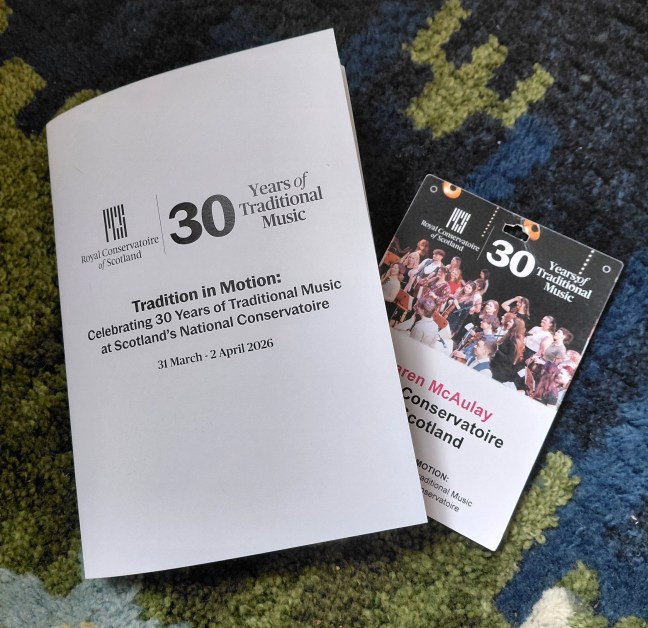
Programme and delegate tag for Tradition in Motion conference at RCS

I started my Leng Medal Memories interviews this week. What a pleasurable experience this is turning out to be! Two of my interviewees still have their silver medals, fifty-odd years later. I subsequently asked the Facebook group, Dundee Pals, and found that lots more people there still have their medals, too. It just goes to show how significant winning the medals actually was to the school pupils who took part.

Anyway, I thought I’d re-share the link to my questionnaire about Dundee Leng Medal memories, in case anyone finds this post and would like to participate in my research project:- https://tinyurl.com/LengMemories

Tradition in Motion


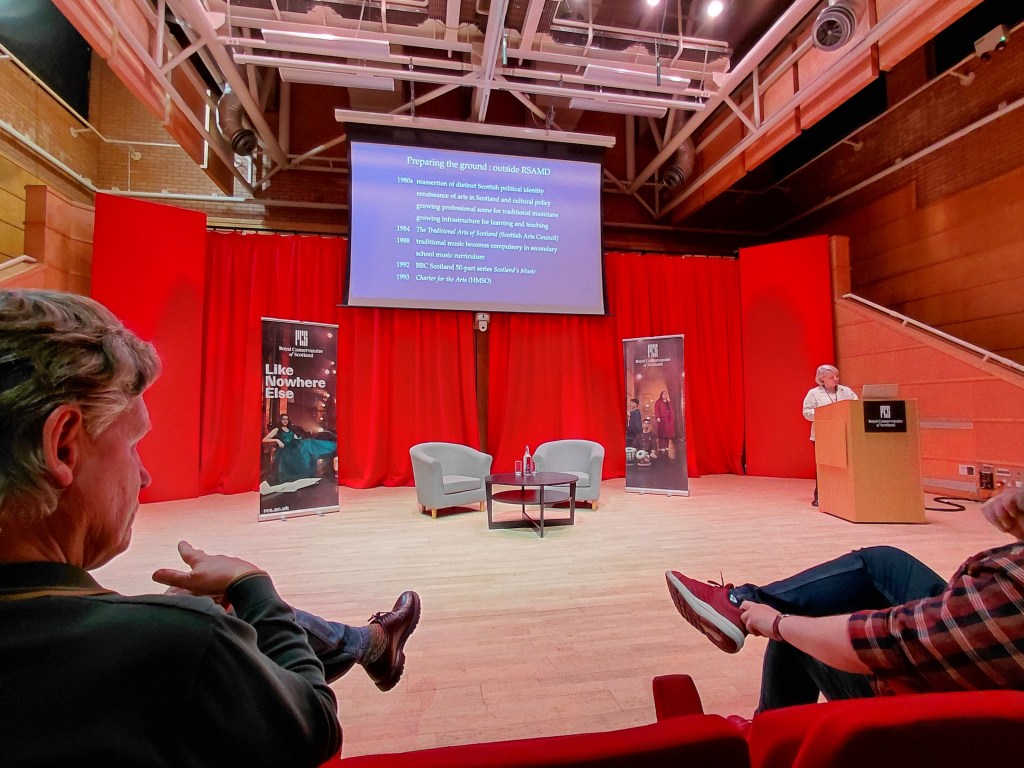
On a different note, yesterday (Tuesday) saw me as a delegate attending the first day of an Royal Conservatoire of Scotland conference, which was celebrating thirty years of traditional music at RCS. The keynote speaker was Dr Jo Miller, one of the co-founders of the Scottish Music degree. As she spoke, her slides showing the chronology of those early years, I realised that when I arrived at what was then RSAMD in 1988, this was just as trad music teaching was getting off the ground.

In 1988, I had no idea that I’d end up recommencing my doctoral studies fifteen years later – little did I know! – forsaking mediaeval polyphony to focus on Scottish songs. My choice of subject was very much influenced by the thought that I’d at least be studying something that might be useful and relevant to students on that course. It took me a little bit longer before I realised that what I was researching counted as ancient history – certainly relevant background, but a very different kind of Scottish song to what today’s contemporary musicians really want to focus on! The songs – their tunes and authors – are still important. But the harpsichord, and subsequently the piano arrangements that I was looking at, represented the soundscape of another world entirely. By contrast, yesterday I heard a paper about sounding Scottish in modern harp-playing; another about the use of traditional Scottish music in videogames; and a third talking about Robert Burns and Hamish Henderson. So many different aspects of Scottish traditional music!

No more interviews or meetings for me this week, but next week I’ll resume my researches. Meanwhile, I need to create another ‘Microsoft Forms’ online form. To think that when I was first a doctoral researcher, I took typing lessons so that I wouldn’t be dependent on paying a typist – as I had done for my Masters dissertation.

By the time I finished my second attempt at a PhD, we had email and PCs. Social media and all the extra Microsoft offerings were still in the future.

And now – I couldn’t even do this present research without Teams, Bookings and Forms. Times change!

A Touch of Tartan

Red McKinnon, MacKinnon tartan sash with The Scottish Clans Association of London badge

Do you want any more Flora Woodman,  or have I said enough?! I published an article earlier this year – same subject matter as my paper today, but certainly not the same piece of writing:-

‘The โ€˜Scottish Sopranoโ€™ and the โ€˜Voice of Scotlandโ€™: the Importance of Nationality to Flora Woodman and Robert Wilson’, History Scotland Vol.25 no.1 (Spring 2025), 74-81

Public library e-magazine apps may still provide access to the issue, though History Scotland is no longer published. I believe you can access it via the former publisher, too. Let me share the message I received from History Scotland a few weeks ago:-


I made a McKinnon tartan sash as a ‘prop’ for my talk. That was Floraโ€™s mum’s family tartan, going back a few generations. Flora said it – I haven’t verified this!  It also bears the Scottish Clans Association of London badge – oh, I take these things seriously!  (If you are reading this after the event but missed it – I only wore the tartan sash for 15 seconds to show how it would be worn.  Minimal cultural appropriation was committed.)

As we answered questions after the first three talks, something occurred to me. Flora had something significant in common with her Scottish Clans Association of London audiences. The vast majority of them were of Scottish descent, and – like Flora – quite a few of them would have been born outwith Scotland. To them, she was quite simply, Scottish, the same as they themselves were. No-one was going to accuse her of not really being Scottish, because that would negate their own sense of Scottishness too. If Scottish blood flows in your veins – you’re Scottish, wherever you are.

(Me? No, no, I’m only as Scottish as my surname!)

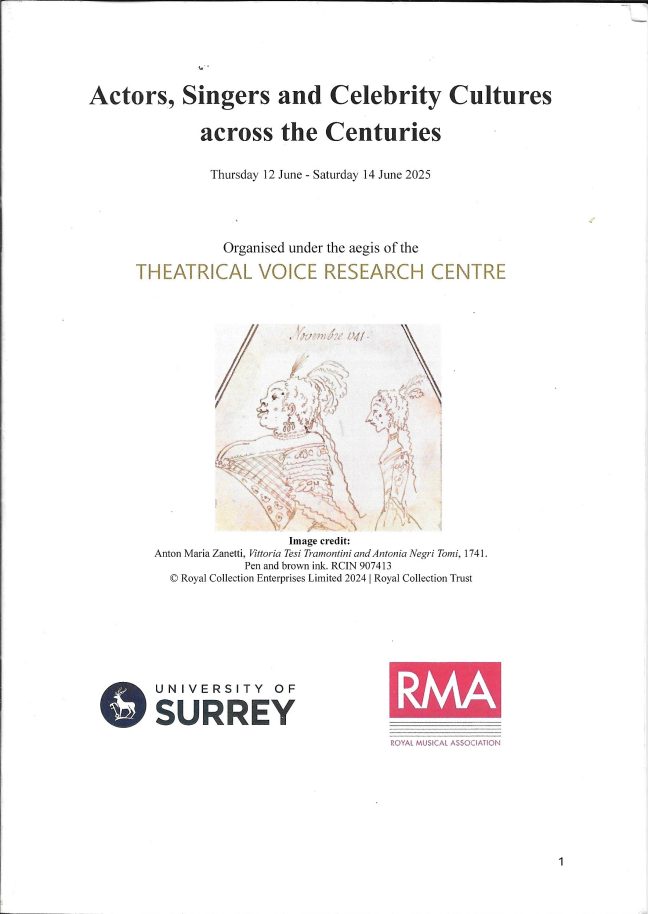
Conference Programme: Actors, Singers and Celebrity Cultures across the Centuries

Abstract

Being a Fellow at IASH

As I’ve already mentioned, I am currently a Heritage Collections Fellow at IASH – the Institute of Advanced Studies in the Humanities, at the University of Edinburgh. I’m halfway through my Fellowship, and (hopefully) halfway through my trawl of the Thomas Nelson publishers’ archives in search of correspondence about their music publications in the 1940s to 1950s.  The book I’m primarily interested in has presented me with a few surprises and thoughts of new directions to pursue, but I shall plough on through the archives until I am sure I’ve captured every whisper about these four little school books.

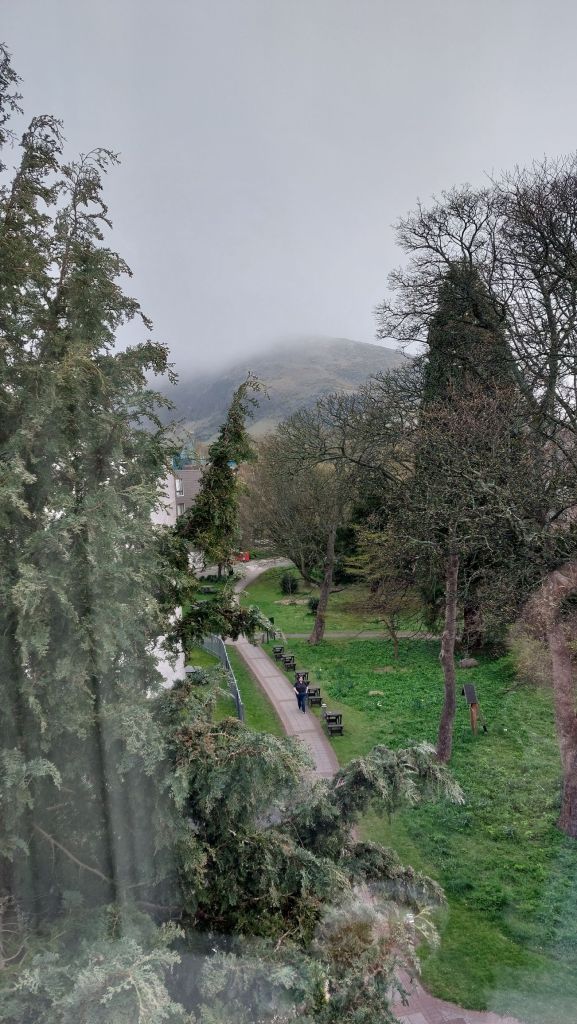
View from the Scholar Hotel

This week, we had the Institute’s 55th Anniversary celebrations, with a focus on Decoloniality. The Institute has just concluded a two-year project on this theme. There was also a session on motherhood and reproductive justice.

Now, you’d think, perhaps correctly, that my Scottish song book and music education focus has little connection with either decoloniality or motherhood. But I did put a lot of effort into broadening the scope of the music collection to include more music by women and composers of colour, whilst I was a Performing Arts librarian at the Royal Conservatoire of Scotland, so I was keen to find out what other scholars in more directly related disciplines have been doing.

I think it’s fair to say I felt a bit overawed! IASH is very interdisciplinary, so there were contributions from all corners of the humanities, and by scholars with far more extensive experience in their fields than I have in mine. But there were contributions from the performing arts, and from heritage collections and archives – I felt more comfortable in these areas, and a bit less out of my depth.

I stayed in Edinburgh overnight to make it less of a rush from Glasgow for the second morning.

In the final session, with contributions from past and present directors, I was impressed by the sheer reach and achievements of this amazing institution, and both proud and humbled to be a Fellow here.

O wad some Power the giftie gie us,

To see oursels as ithers see us!

In the context of Robert Burns’s poem, those lines are exhorting us not to get above ourselves, but taken in a different context, they perhaps offer reassurance that others see something in us that we can’t necessarily see ourselves.

‘They thought I was worthy to be a Fellow – in a very competitive application process?’, I mused. But yes, they did indeed select me, which is a vote of confidence in itself.  Sometimes, you need validation by others – it’s hard to be objective about oneself!

Another view from the Scholar Hotel

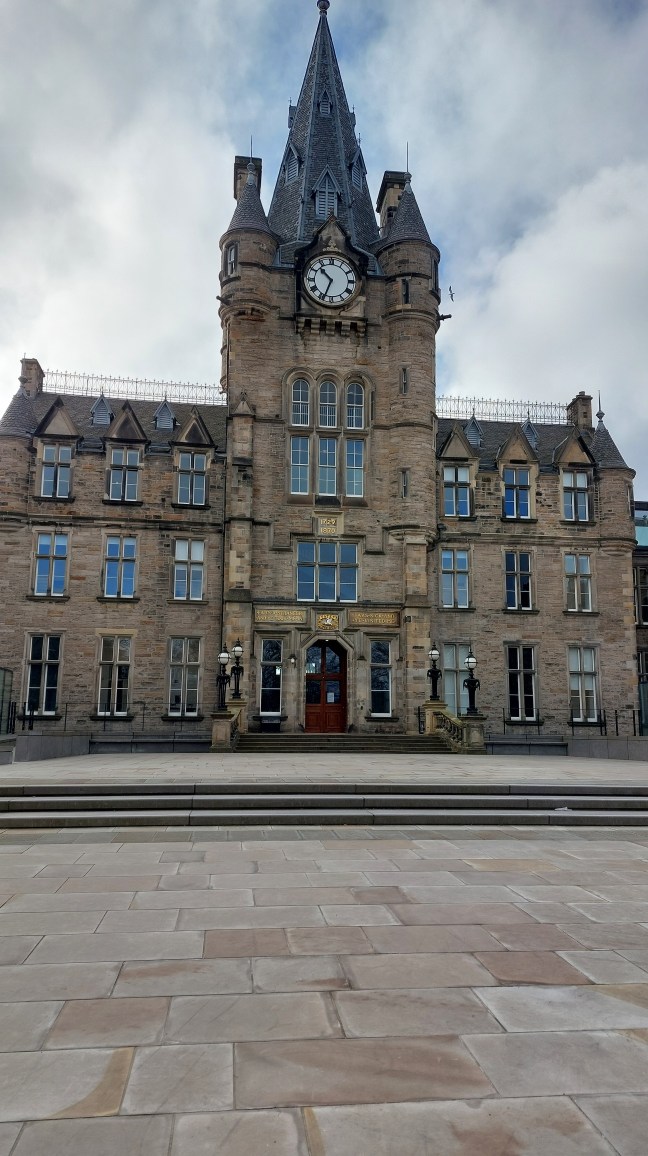
Image at top of post: The Edinburgh Futures Institute

ECRN Alt-Ac Showcase: Keynote Speaker

A first for me, today: I was the keynote speaker for an Early Career Research Network event jointly organised with CALt-Ac at the University of Birmingham.  That’s the College of Arts and Law’s network for people with ‘alternative academic’ roles, rather like mine when I was in the library 3.5 days a week, and seconded to research for 1.5.  Not a full-time academic,  in other words.

Yes, yes, you’re correct in pointing out that I’m not exactly ‘early-career’ myself!  I was invited to share my own ‘Alt-Ac’ story, since it transpires that I have actually been an Alt-Ac since before the term was devised.

Everyone was very kind and appreciative; it’s been a lovely day.ย  I heard interesting and informative contributions, and chatted to a number of people. There was a mix of subject-related presentations, and others which, as I did, shared their own way of making the alt-ac existence work for them.

The ‘Queen of Alt-Ac’ (not my words) declares herself happy (if abashed by the epithet), and is now being conveyed back to Glasgow in her carriage, Avanti West Coast.

My next post will share a summary of my talk. Are you ready …?!