I’m an Honorary Fellow

A lovely thing happened this afternoon. I am honoured to have been elected, along with two esteemed colleagues, as an Honorary Fellow of our professional association, IAML (UK & Irl).

When I retire from music librarianship soon, I will have been in post 36 years. But I will actually have been a music librarian for 39 years – and a librarian for almost 40.  Where did the time go?

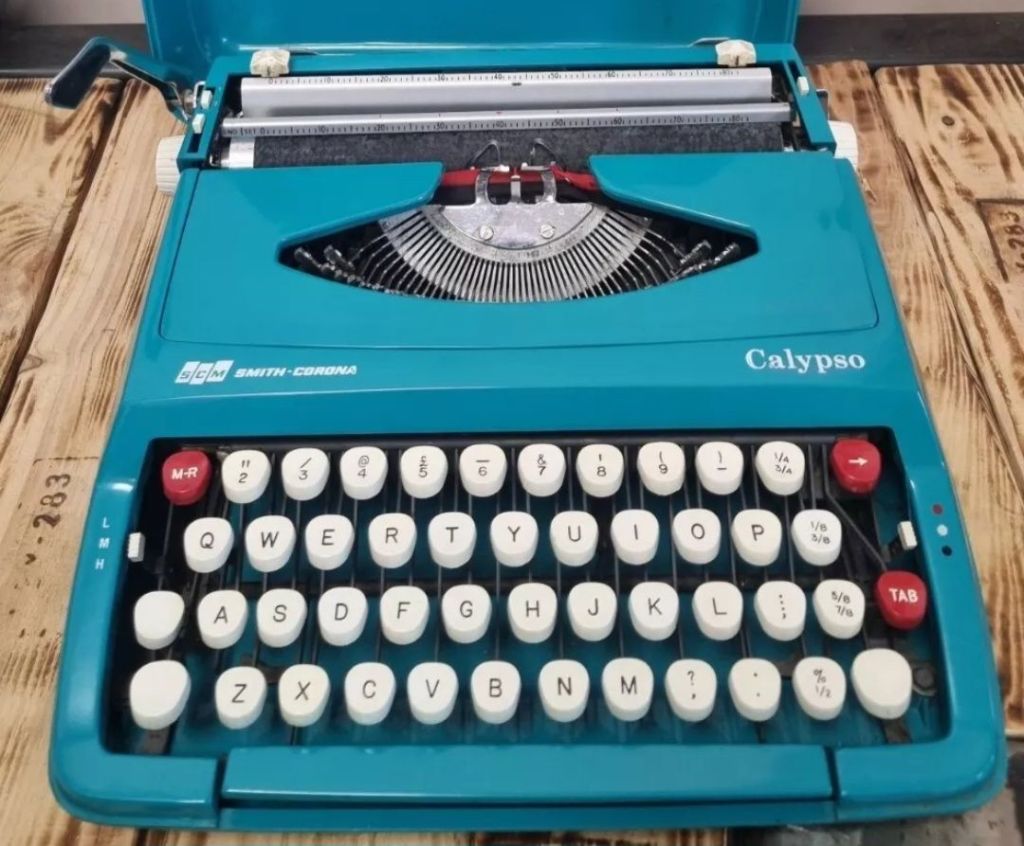
Memories of the Newsletter (Ebay image)

My first ‘role’ in IAML was as Newsletter editor. (Anyone remember Roneo stencils and that pink correction fluid?) And my last has been as Communications Chair.  I tell you, blogging is a doddle compared to those stencils!

I’m grateful, and humbled, to have had my efforts recognised.  I feel a bit undeserving,  but I AM very grateful!

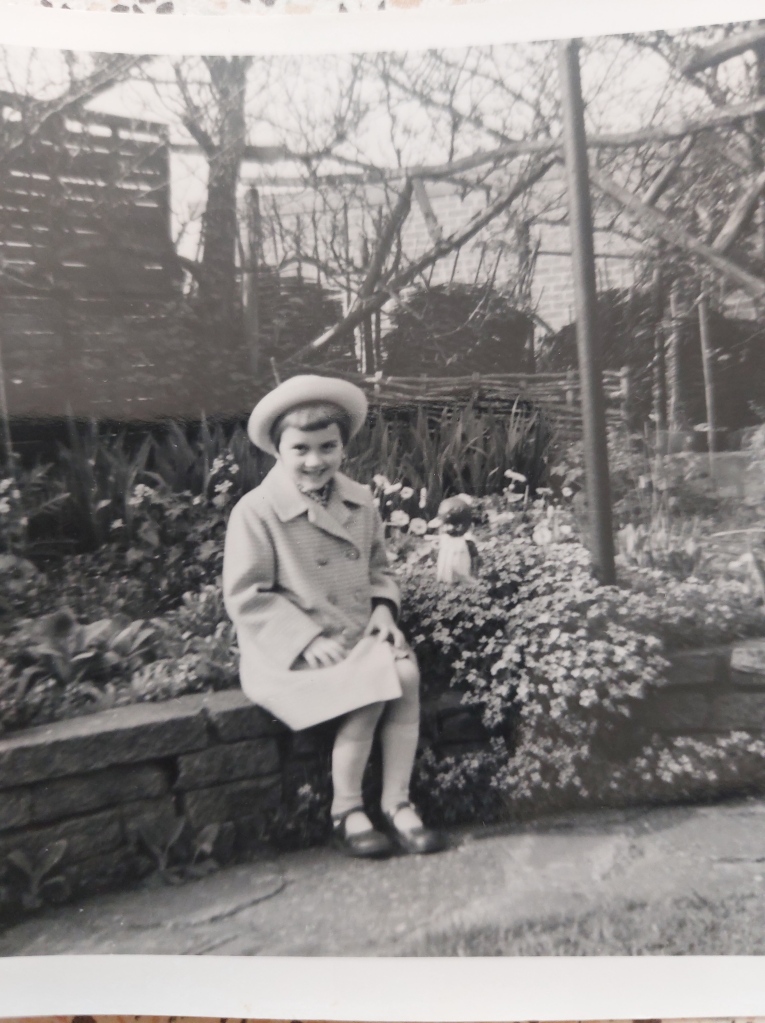
Already a lover of libraries and music!

[The photo? A little girl who wanted to be a librarian like her uncle  … because libraries were always her favourite place!]

Climate Crisis Wordsearch

I’ve just given a webinar for the National Acquisitions Group, ‘Getting Historically Under-Represented Composers and Contemporary Environmental Concerns into Library Stock’.

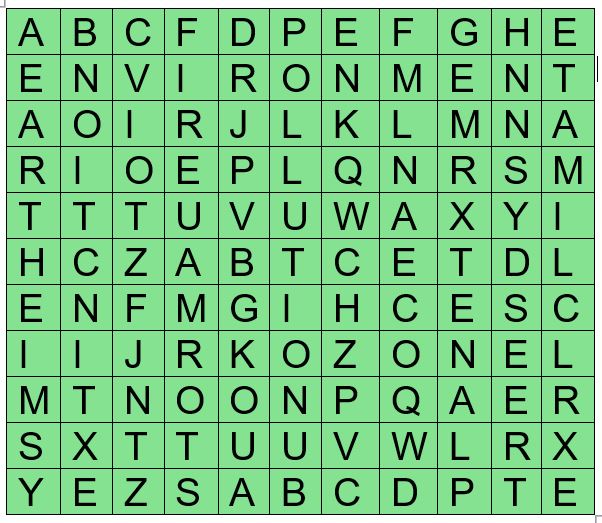
Earlier today, I took a dislike to one of my slides. It was where I was talking about finding musical compositions on the subject of the climate crisis, and it suddenly dawned on me that a wordsearch slide would be far better than what I had intended. So, I made a ‘wordsearch’, on the spot. It was my first, and I made it very quickly – don’t judge me! Stupidly, I didn’t count how many words I’d hidden. I found twelve related to climate change in some way. But later on, my sister found far more, if you include more general words. Have a go …

Ramsay’s ‘The Gentle Shepherd’ Songs

Reaching the end of my recent cataloguing project – the gift of a number of books of old Scottish music – I must confess I left what looked like the most miscellaneous, worn, unbound pieces until last. Late on Friday afternoon, I had observed that one such piece had a pencil note at the head – ‘Music for The Gentle Shepherd, Foulis edition, 1788’. Now, this is a famous ballad opera by Allan Ramsay.  It was so popular that my colleague Brianna Robertson-Kirkland writes that there were 86 editions of  The Gentle Shepherd, 66 of them the ballad opera. Initially, the songs only indicated the name of the tune to use, and different editions have more or less songs. The 1788 edition contains a full vocal score of the songs, and that’s what we’ve got. My guess is that the last owner bought the 18 pages which someone had previously separated from the back of the larger original volume.

I haven’t made a study of it myself, but I do recognise the opera and its songs as very significant in the history of Scottish music – and this edition has particular importance.  So, if this gathering of pages was so important, it would benefit from a  decent catalogue entry.

The pages are numbered 1-18.  With no title-page, still less a cover, to give me further clues, it wasn’t a task for 4.30 on a Friday afternoon, but it very definitely was one for a Monday morning.

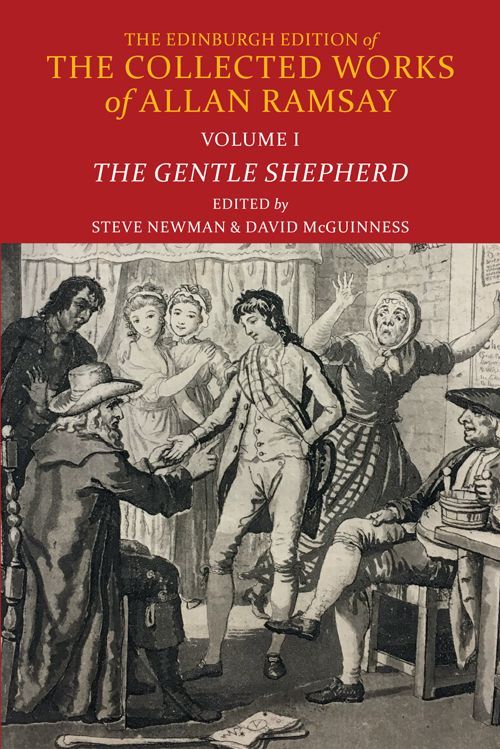
A bit of digging around soon found me another library’s catalogue record of Ramsay’s ballad opera in that very edition – a particularly significant edition, because it’s the most lavish, quite apart from having the complete vocal score section. RCS lecturer Brianna Robertson-Kirkland has researched the work in detail and written an article about it, which is on one of her class reading-lists. Dr David McGuinness, with whom I worked on the HMS.Scot AHRC-funded project a few years ago, has also recently published a book about it,  with Steve Newman.

The new Edinburgh Edition of The Gentle Shepherd

But the catalogue record didn’t exactly fit my purpose, because what I had in my hand was the appendix at the end of the book, containing all the songs. We didn’t have the text of the ballad opera at all.

No problem – I downloaded the catalogue record and adapted it to reflect what we did have. I made sure the words ‘Scottish songs’ appeared in the catalogue record, and I indexed every one of those songs. The appendix is only eighteen pages long – it wasn’t that arduous a task. I’m really happy that we’ve been given this, because – even though it’s fragile and will have to be handled with extreme care – it means the students will now be able to see the music that Brianna has written about, and lectures about.  (It still needs a nice stout card folder, and a secure storage space – but they’ll be sorted out soon.)

Informed Cataloguing

There’s one strange thing, though. It appears no other cataloguer has catalogued each song in The Gentle Shepherd – not in Jisc Library Hub, at any rate.  Well, although we at RCS might not have the whole magnificent text, a title page or a cover, we HAVE now got a catalogue record which indexes all the songs. Hooray!

Contents:-

  • The wawking of the fauld (1st line: My Peggy is a young thing)
  • Fy gar rub her o’er wi’ strae (1st line: Dear Roger, if your Jenny geck)
  • Polwart on the Green (1st line: The dorty will repent)
  • O dear mother, what shall I do (1st line; O dear Peggy, love’s beguiling)
  • How can I be sad on my wedding day (1st line: How shall I be sad when a husband I hae?)
  • Nansy’s to the green-wood gane (1st line: I yield, dear lassie)
  • Cauld kail in Aberdeen (1st Line : Cauld be the rebels cast)
  • Mucking o’ Geordie’s byre (1st line: The laird, wha in riches)
  • Carle, an’ the king come (1st line: Peggy, now the king’s come)
  • The yellow-hair’d laddie (1st line: When first my dear ladie gade to the green hill)
  • By the delicious warmness of thy mouth
  • Happy Clown (1st line: Hid from himself)
  • Leith Wynd (1st line: Were I assur’d)
  • O’er Bogie (1st line: Weel, I agree ye’re sure o’ me)
  • Kirk wad let me be (1st line: Duty, and part of reason)
  • Woe’s my heart that we shou’d sunder (1st line: Speak on, speak thus)
  • Tweed Side (1st line: When hope was quite sunk in despair)
  • Bush aboon Traquair (1st line: At setting day and rising morn)
  • The bonny grey-ey’d morn
  • Corn-Riggs (1st line: My Patie is a lover gay)

I struggled to explain to my family just how gratifying I find this.  But I think it’s really important not only that Brianna’s students can see which songs are in Foulis’s edition of The Gentle Shepherd, but also, anyone looking for one of those song titles will be able to see that it was one of the songs used in the famous ballad opera.

As a matter of interest, we do also have some items going back to the era when Cedric Thorpe Davie put on a performance of the opera. Anyone checking our catalogue will spot those too!

Seeking Solace in the Library

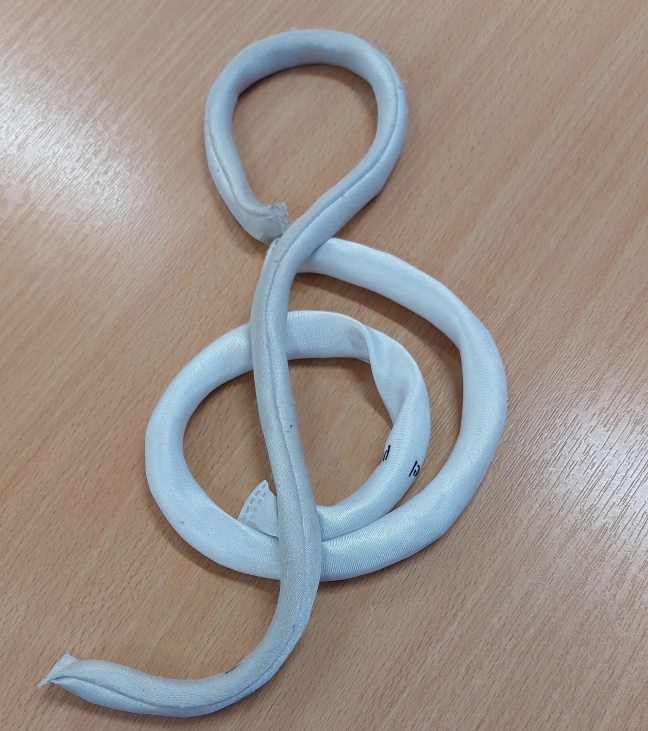
Archive book 'snake' weight

I’ve had a run of things going wrong!

  • Awaiting dishwasher parts for 2 months
  • Needing a stonemason
  • Storage heater malfunction
  • MOT cancelled on April Fool’s Day; it really was …

I took myself off on a library visit, looking for a peaceful, fruitful day. (Yes, yes, I know – I’m a librarian, and I already work in a library 3.5 days a week. However, researching in a different library is an entirely different experience.)

It was peaceful, though I could have done without the six miles’ walking in the rain! But –

I found nothing related to my research question!

The trouble was, I had to read a lot of stuff, to eliminate it. Having researched music for so long, however, I was enchanted to read about paper pulp, factories, shipping and personnel in Nairobi, Cape Town, India, Toronto … yes, it was 1946-7, and the links were strong.

Then there were paper and bookbinding cloth shortages. Lots of allusions to both.

But was it a wasted journey? On the face of it, I made no progress, but – as you see – I gathered contextual information. From now on, I won’t be parroting those facts, but alluding to situations I’ve witnessed through perusal of correspondence.  That does count for something.  And I learned a handful of names that I might one day encounter in a musical context.

Oh, and apart from getting drookit  (drenched) and walking six miles (thanks, Fitbit), I did get my peaceful day in a library.

What does a Librarian want with a PhD, anyway?

Few people in Glasgow knew that I had an unfinished first PhD guiltily lurking in my past, when I announced I wanted to do a PhD. It would actually be my second attempt. I’m told that someone (an academic?) asked that memorable and somewhat hurtful question, ‘What does a librarian want with a PhD, anyway?’

Chained to the shelves – Wimborne Minster Chained Library (Wikipedia)

I realised with a jolt, yesterday morning, that I would be retiring from librarianship exactly fifteen years to the day, since I submitted my thesis to the University of Glasgow. I never managed to cease being a librarian in order to become a full-time academic, because I had family responsibilities in Glasgow, and the chances of a full career-change without relocation were limited, to say the least. However, if I entered librarianship with the unfulfilled expectation of soon having a PhD from Exeter, and the aspiration to become a scholar-librarian …. well, I did achieve the latter aspiration. After getting the Glasgow PhD, I became partially seconded to research three years later, and I’ll continue as a part-time researcher when I’m unshackled from the library shelves.

I don’t know who it was that queried whether a librarian actually needed a PhD, more than twenty years ago. It’s probably a good thing I don’t know! However, if I could show that individual how I’ve just spent my afternoon, then maybe they’d begin to understand.

The other day, an academic colleague said they were putting a student in touch with me, to advise them about resources for a project. This afternoon, I was working from home as a librarian, so I decided to spend the time finding suitable resources for my enquirer. I had in mind a lever-arch file from my own research activities, that I knew was in my study-alcove.

Subject Specialist

[Scottish] ResearchFish

The more I thought about the query, the more things I thought of suggesting. I looked at my own monograph, for a start, along with a couple of essay collections that I’ve contributed to. I compiled a list, mostly but not entirely from the library catalogue. (I tweaked a few catalogue entries whilst I was at it. What does an academic want with a library qualification?, one might ask!) I The family balefully eyed the dining-room table that they were hoping to eat off, as I moved aside the ancient and modern books that were gaily strewn across its surface. However, I’m fairly content that I’ve done my preparation to help with the query. I’ve also enjoyed an afternoon in the company of old friends – the compilers, authors and editors of all those books!

A Value-Added Librarian

Listen, I wouldn’t have known any of those resources if I hadn’t done that PhD. I wouldn’t have known what the arguments were. I wouldn’t have known how nineteenth and early twentieth century song-collectors viewed their collections, nor the metaphors they used to describe them, nor which collections might be of particular interest. I wouldn’t subsequently have collaborated on The Historical Music of Scotland database. And if I hadn’t gone on researching, I wouldn’t have known about some of the more recent materials, either.

I kennt his faither! (A Scot knows what that means)

There might have been times when others wondered who I thought I was, but I am absolutely certain that it has come in useful!

Fitness to Work

And so, today is the last day when I’m officially unfit to work. I go back to the library on Monday, but not without some anxiety.

Mind the Gap!

There is a discrepancy. After my eye surgery, I’m now ‘fit’ to return to work, but all clinical advice says that full recovery takes a number of months, if not a year. The hospital doctor tells me I can’t even get new glasses (which I need) until after the summer, by which time the fixed eye should have settled enough to merit a new prescription. (I’ll also have retired from librarianship and will be simply a part-time researcher.) At present, vision through that eye is still blurred, although the two eyes together can manage okay. I’ve attempted to contrast what my two eyes see at the moment, by doctoring an old stereoscope image, seen above. The black bubble diminishes day by day – it might disappear by the end of next week.

Pixabay bubble, more colourful than mine!

I spent some time googling ‘return to work after macular hole surgery’, because I’m sure I’ll be asked if I need anything to support my return to work – but for myself, the only advice I’ve had is, ‘yes, you can return to work’. If you live in Blackburn, UK, you’re told not to work for three months! Three whole months? This is the only health authority suggesting such a long time off work. Otherwise, the advice sheets I’ve seen simply advise not to fly with a black gas bubble (not a problem); not to drive, ditto; not to lift anything heavy, and to take a rest if your good eye starts to ache. That’s it. It seems reasonable.

Emails? Sure, but the print on CD covers is TINY!

Just like anyone else returning to work, there will be a lot of emails to catch up on. I’m sure there will also be a backlog of cataloguing. It has to be done, small print or not. I do have a magnifying glass.

If you’re AT work, colleagues are entitled to assume you can do the work, all of the work, and no pick-and-choosing. Fit to work means, well, fit to work. The patrons you interact with similarly don’t know you’re still a little fragile, and will expect you to function normally. And if a patron is waiting for a book, they should have it catalogued – my fitness has absolutely nothing to do with it – that’s irrelevant. Similarly, a query should be dealt with timeously. I set up ‘out of office’ email messages before my operation, but one query directly to me, had been by telephone, and I wasn’t able to make contact with the enquirer before I took sick leave, despite a dozen attempts to return the call. I fear they’ll be annoyed by my silence. I’ll be as apologetic as I can!

And how do I confess if I can’t lift something, or indeed see something clearly? If I’m ‘fit to work’ as normal, I should be able to. As for taking a rest? Why should I be afforded that privilege? That would seem unfair on everyone else.

On the positive side, of course, it means I can get back to my research on Wednesdays and Thursday mornings. Heaven! And hopefully I’ll soon find out if any more needs to be done to my book draft before it can go forward into the copy-editing process.

Wish me luck.

A wee Saturday Expedition: The Librarian-Researcher’s Afternoon Outing

After diligently doing my organ practice this morning, I felt like an outing this afternoon. Only a librarian/musicologist would decide to go library-visiting! However, I knew that Paisley has a new, exciting public library building in the High Street, and I also wanted to find out about an old Paisley publication, so where else would I go? The image above is one I found on Renfrewshire Libraries’ website.

Sean McNamara’s enthusiastic tweet about the library, on 23 November 2023.

The library is bright and modern, on three floors. The ground floor has a large children’s section at the back of the floor, with places for parents and children to sit, and steps the children could go up and down – very cheerful and user-friendly.

There are also facilities for making a hot drink. Whatever next?! Very nice, but an unexpected surprise for an old-school librarian who last worked in a public library, erm, 36 years ago! 

Plainly there wasn’t going to be anything of the kind I was looking for, on the ground floor. I headed up to the next floor, and the next. Places for computer use, an array of different seating arrangements, non-fiction …..

I asked, but I discovered that if I would find what I wanted anywhere in Paisley, then it was not here. I need to go the Heritage Centre (aka “the archives”), elsewhere in the city. That’s a trip for another day, since it’s not open at the weekend.

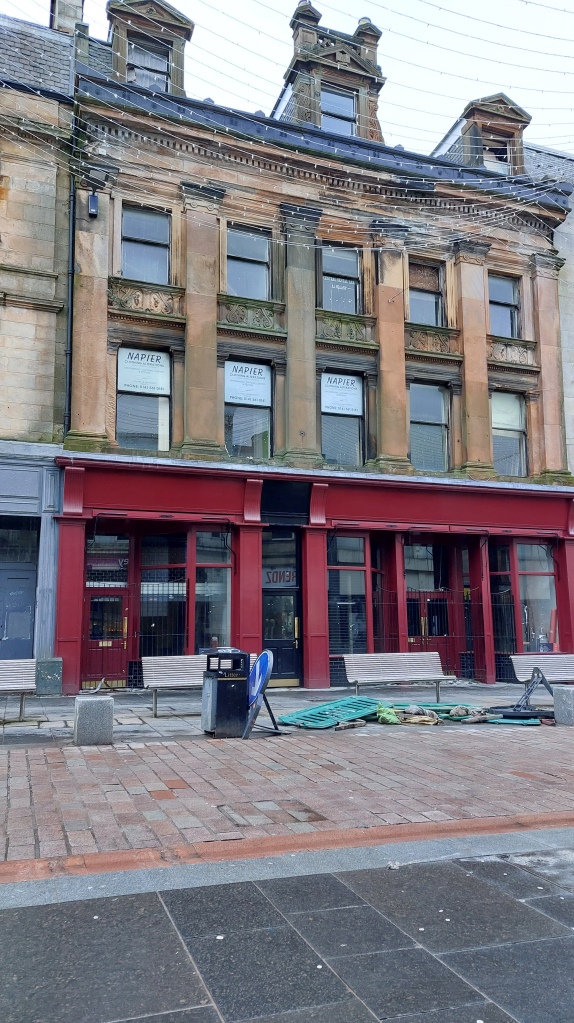
Shop front, Paisley High Street
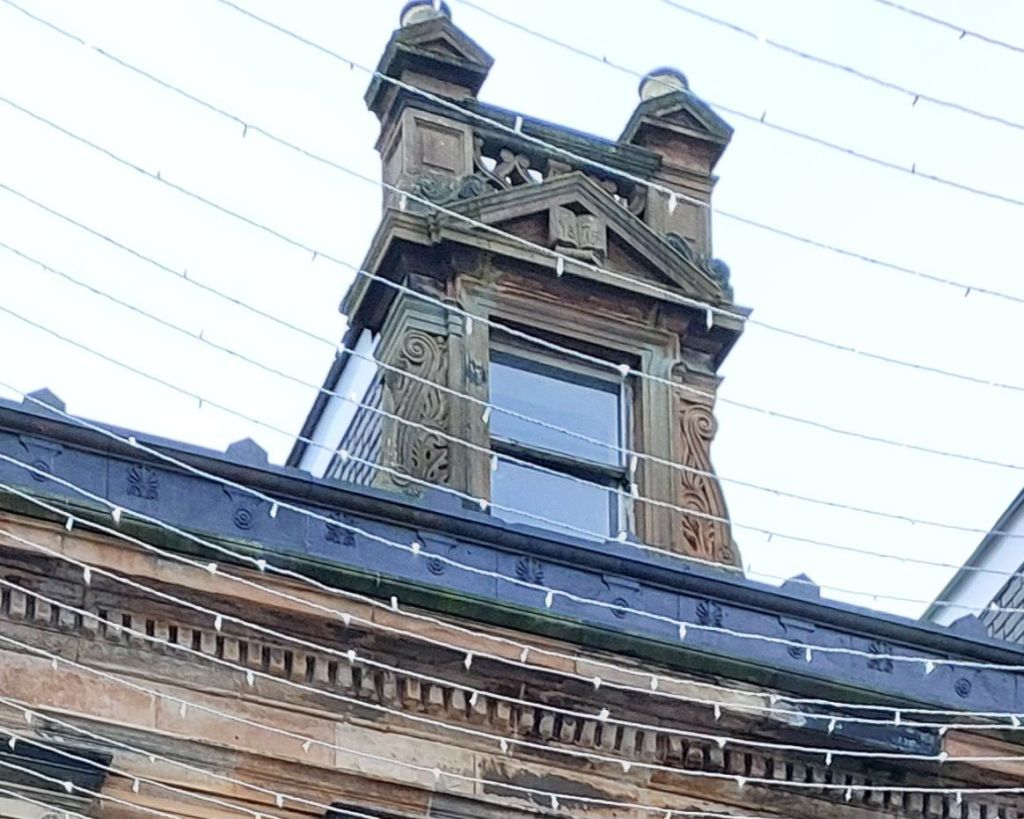
Parlane’s former offices in Paisley High Street. Book sculpture right above the top dormer window.

All was not lost. I also wanted to find out where Parlane’s offices had been. I knew that they, too, were in the High Street – and they were two doors away, in fact. They looked a bit sorry for themselves. I took a photo, but a string of twinkly lights (not illuminated by day) obscured a decent photo of the book sculpture at the top of the building. 

Maybe I’ll find a better one online somewhere. Messrs Parlane might have been pleased to find a new library as their next-door-but-one neighbour, but I fear they would have been sad to see the High Street today. It wasn’t exactly bustling on a Saturday mid-afternoon.

Home I came, and spent several hours making lists of things I’d like to see at the Heritage Centre. (I hope they’re as welcoming as the website suggests, or they’ll find me a bit of a nuisance with my long list!!)

Changing Styles

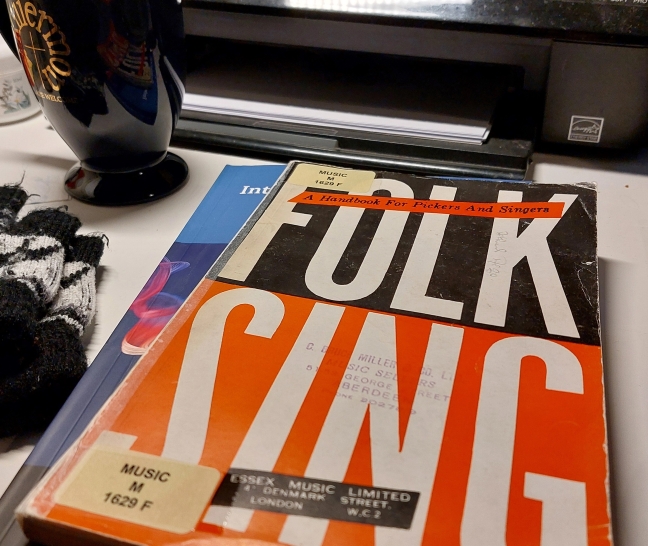
In the closing pages of my second monograph (currently at the publishers, pending approval of the revisions and then copy-editing), I comment on the changing approaches to folk music in the late 1950s and 60s. So, when a colleague presented me with a pile of music which used to be in the library, but needed recataloguing (don’t ask!), my immediate reaction to this book was, ‘Aha, see, I was right. Look how different this is to Mozart Allan, James Kerr’s and Bayley & Ferguson’s folk song collections!’ 

As a scholar, I smiled with satisfaction as I noted that even the COVER of Folk Sing: A Handbook for Pickers and Singers was more modern – huge white letters on a half-black, half-red background. As for ‘pickers and singers’: well, we didn’t have ‘pickers’ in any of the dozens of Scottish publications that I’ve been writing about! Guitar/accordion chords as an addition, assuredly, but not usually melody, chords and no keyboard line. And as for the term, ‘pickers’? No. A more savvy friend informs me that the book came at the end of the skiffle revival, which according to Oxford Music Online was particularly strong in the UK:-

“While the skiffle revival of the 1950s embraced the USA and Germany, it gained most ground in Great Britain. […] Donegan and his imitators enjoyed considerable popularity until about 1959, when skiffle gave way, both in the USA and Europe, to ‘beat’ music and to rock and roll.”

Oxford Music Online (2001). Skiffle. Grove Music Online. Retrieved 19 Jan. 2024, from https://www.oxfordmusiconline.com/grovemusic/view/10.1093/gmo/9781561592630.001.0001/omo-9781561592630-e-0000025930.

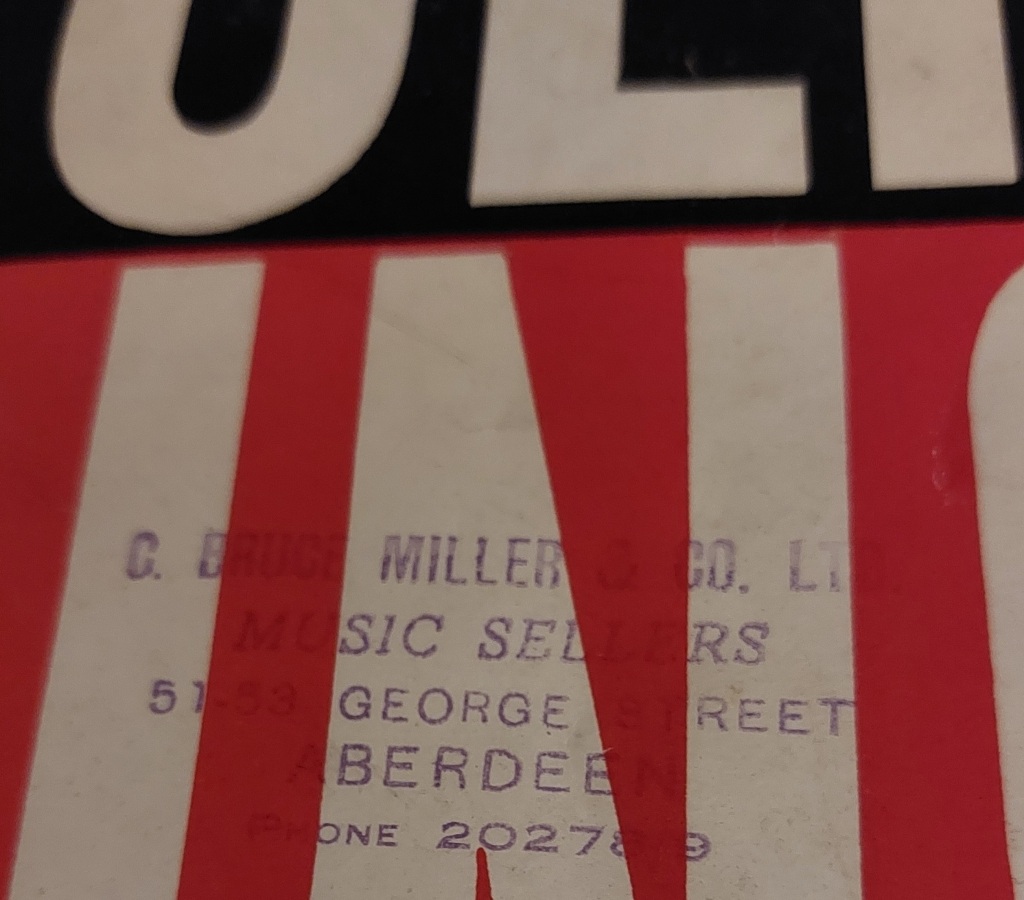
This song book was published in New York by Hollis Music in 1959, but distributed by Essex Music (4 Denmark Street) in London, and this particular copy was actually sold from a shop in Aberdeen. Notwithstanding this, it mainly contains American repertoire with just a few British songs and a single French one for good measure.

I examined it inside-out and backwards, observing contentedly that they indicated the names of the composer/arranger/lyricist above each song, along with which publishers owned the original copyright.

Then I sighed. This morning I had noted with pleasure that already this month, I’ve submitted a revised manuscript for my book, written a librarianship-ish article and two musicology abstracts, done a peer-review and a radio interview, with a research talk coming up to round off the month. That was my research-self.

But what I was supposed to be doing now, was cataloguing this anthology, not studying it. 

‘Recataloguing’ means that I have already catalogued the book at some stage in the past … yawn!

The librarian part of me spent half this afternoon re-cataloguing it and copy-typing 150+ song titles from the contents list. It’s certainly useful – it means people will be able to find the songs – but it’s not nearly as rewarding!

Folk Sing: a Handbook for Pickers and Singers, containing traditional and contemporary folk songs / edited by Herbert Haufrecht (New York: Hollis Music; London: Essex Music, 1959)

Do note and admire the contents lists!

Zip File Zipped! Could this be it?

Well, folks, I have a preface, revised introduction, seven revised chapters and a revised conclusion … all in a zip file. I finished my revised book manuscript last night, ready to go off this morning. And it feels – Strange. I wondered if I’d feel triumphant when I clicked ‘Send’. But, at the moment, it’s cautious relief with a side of exhaustion. Let’s put the kettle on.

I did my PhD part-time, in my spare time, between 2004-09. Then there was more spare-time work turning it into a monograph, published in 2013.

From 2012-15, I was part-time RA to a major AHRC grant (but still 80% a librarian), and then – there’s a common thread here – I was awarded an AHRC networking grant (which I did part-time) on a different topic, before my hybridity changed to 85% librarian as I started research for this, my second monograph. The initial draft was submitted last summer, a decade after the first book was published.

It was with some envy that I read about an academic starting their research leave this year. I’m sure it’s well-deserved. I’m just wistful, because, apart from being allowed a month for writing up my PhD (yes, I know – we all know – it took much longer than that!), I’ve basically taken annual leave whenever I needed it. That’s what happens when you are more of a librarian than a researcher.

Apart from a brief visit home last summer, I didn’t take a proper break, because I was writing. I only took a week’s pause for Christmas, before jumping back into book revisions. It’s not surprising I’m knackered.

I can’t pretend I’m a full-time academic. I cannot, and should not, compare myself with people in a fully academic role. I’m mostly a librarian – admittedly, an academic librarian – but I’ve been a research fellow (part-time plus some annual leave), and I’ve just finished writing a second scholarly monograph (ditto). Given the time constraints, and the fact that I can’t be researching or writing when I’m being a librarian, I’m modestly proud of that.

Never Mind the Partridge …

Exhausted but provisionally exhilarated … it’s the Twelfth Day of Christmas. After the obligatory drummers drumming, etc, etc, never mind the partridge! 

Greetings card showing partridge in a pear tree
Partridge in a Pear Tree (greetings card from Motor Neurone Association, image courtesy of Advocate Art)

And a book, with best wishes, from me.

Cover Image by Circe Denyer from Pixabay