It’s Getting Closer! The Next Article

Anyone looking at my publication record is soon going to be mightily confused. The article about Sir John Macgregor Murray concerns a Highlander who lived from 1745-1822. I wrote it at a time when I was still researching Scottish music collecting and publishing in the late eighteenth- and early nineteenth-centuries.

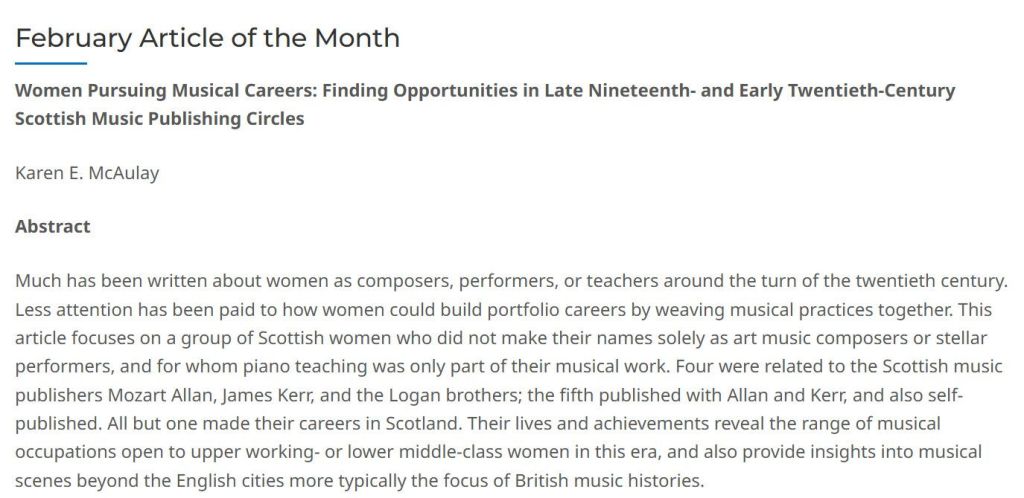
Today, I received the final proofs for the next extensive article. This time, it’s about Scotswomen with portfolio music careers in the late nineteenth- and early twentieth-centuries. (Two of them were of English parentage, but let’s not quibble!) A spin-off from my latest book, in the sense that I turned my focus onto a number of individuals who had hung around in the shadows of the book, this article extends over some 22 pages, and luckily there wasn’t a great deal needing changing in the proofs.  But the instructions for using the proofing system extended over 49 pages, and there was also a ten-step quick tour of the process. I nearly had a fit at the sight of the former, but the latter told me nearly all I needed to know. Job done.

There are still more articles in the pipeline; I’ll flag them up as they come along! Meanwhile, there’s the small matter of Christmas requiring my attention during the semi-retired part of my existence, not to mention the continued tidying up of our poor scarred, rewired residence! But first, I need stamps …

Image: Glasgow Athenaeum, forerunner of the Royal Conservatoire of Scotland (Wikimedia Commons) – where two of ‘my’ musical ladies received their advanced musical training.

Progress! Post-Rewiring, my Desk is cleared for Research again ..

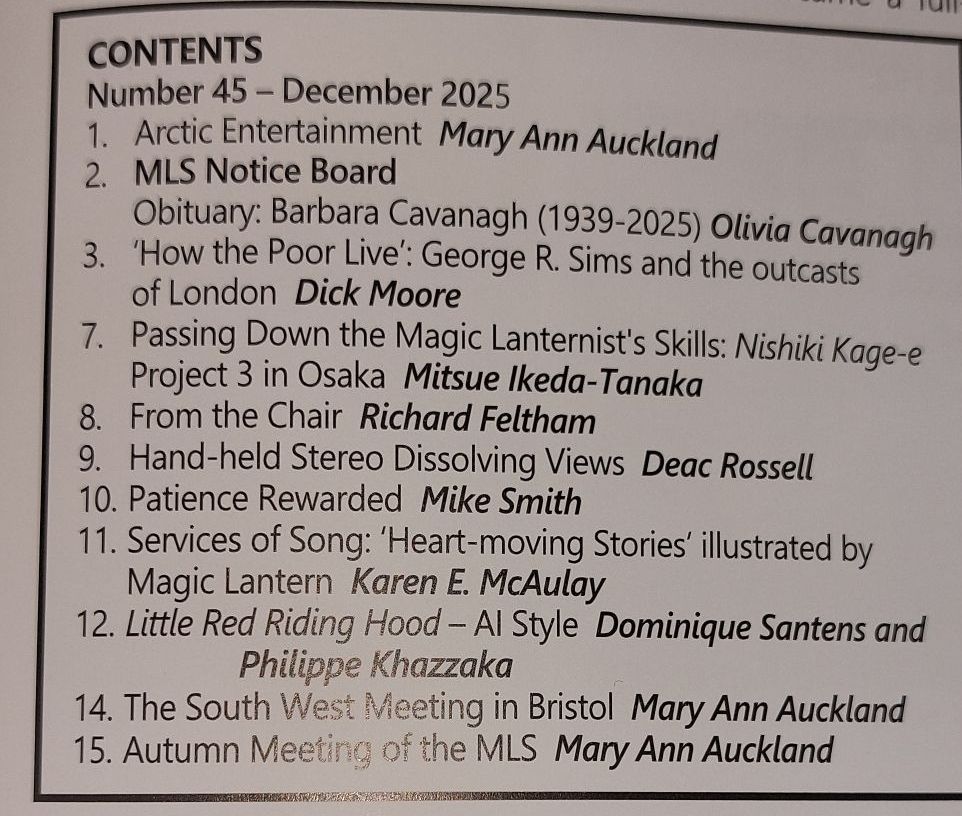
I’ve proof-read an article for The Magic Lantern; navigated Cambridge University Press’s article dashboard for my impending RMA Research Chronicle article; signed an ‘Ironclad’ contract; updated my Pure (institutional repository) account; signed up to a short online course in connection with next year’s research project; and attended a meeting.

It feels as though it’s been a busy morning. One could argue that it has been more administrative than actual research work, but research doesn’t get done without a secure administrative foundation, so that’s good enough for me.

Post-Rewiring?

I’d best describe my mental state as ‘fragile, but functional’! But I’m getting there.

What A Day!

Untitled design from Canva. Silhouetted heads and geometric shapes
Could you hear the cogs turning?!

Right, my two proofs (an article and a contributed chapter), and the final version of another article, have all been returned to their editors. It has actually been quite interesting revisiting recent and not so recent research, after some time away from  it.  Such revisitations help consolidate things in one’s mind, and keep the topics alive and vivid.

The Big Idea

Tomorrow, by contrast, is a day for looking ahead: I need to start a book proposal and apply for some funding. Storm Amy will determine which desk, on which side of the country, I might be using. Waterproofs at the ready, but I don’t think I’ll take an umbrella! Scottish wind can invert the hardiest of specimens.

Like Buses, Pre-Publications seem to come in Threes

Three blue double decker buses, one behind the other

Since Friday, I’ve been sent three exciting emails:-

  • the proofs of one chunky article that’s due to be published next year;
  • the proofs of a contributed chapter with probably a similar timescale,
  • and another even chunkier article that has now been accepted – but needs a couple of final touches before I send it back to the editor.

Not bad, in two working days with a weekend in between!

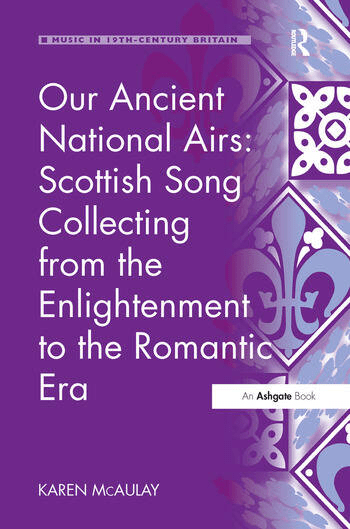
It’s just the way things turn out, but the first article is a late-in-the day return to a paper that I originally gave in 2019 – I waited to be sure that the original conference organisers wouldn’t be needing it. Not only that, but the paper itself had been a return to, and development of, a topic I researched for my PhD and subsequent first monograph, so it has been a long time brewing! I first ‘encountered’ the ghost of Sir John MacGregor Murray some twenty years ago, and a fascinating ghost he turned out to be. He deserves his article in Folk Music Journal next year. Proofs checked and returned already.

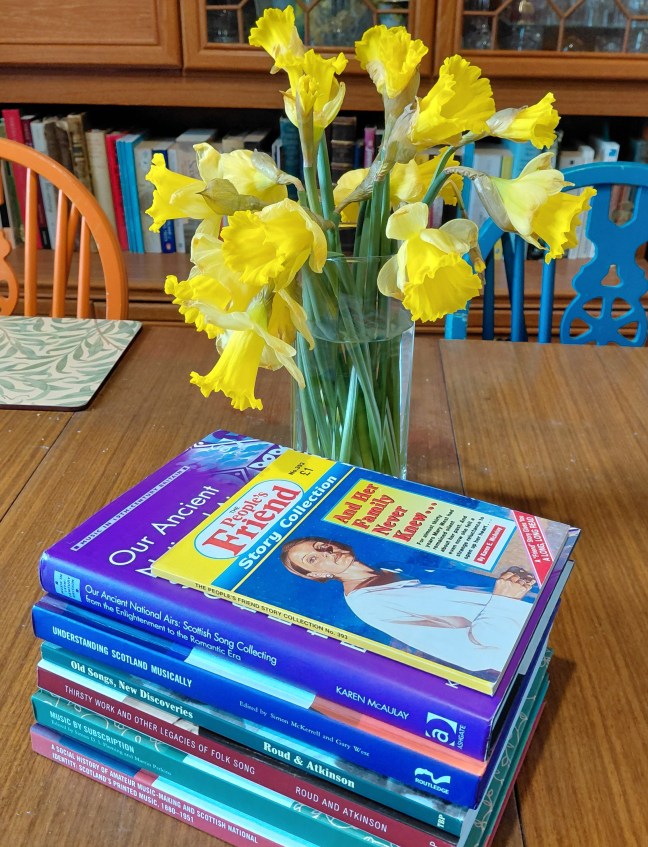
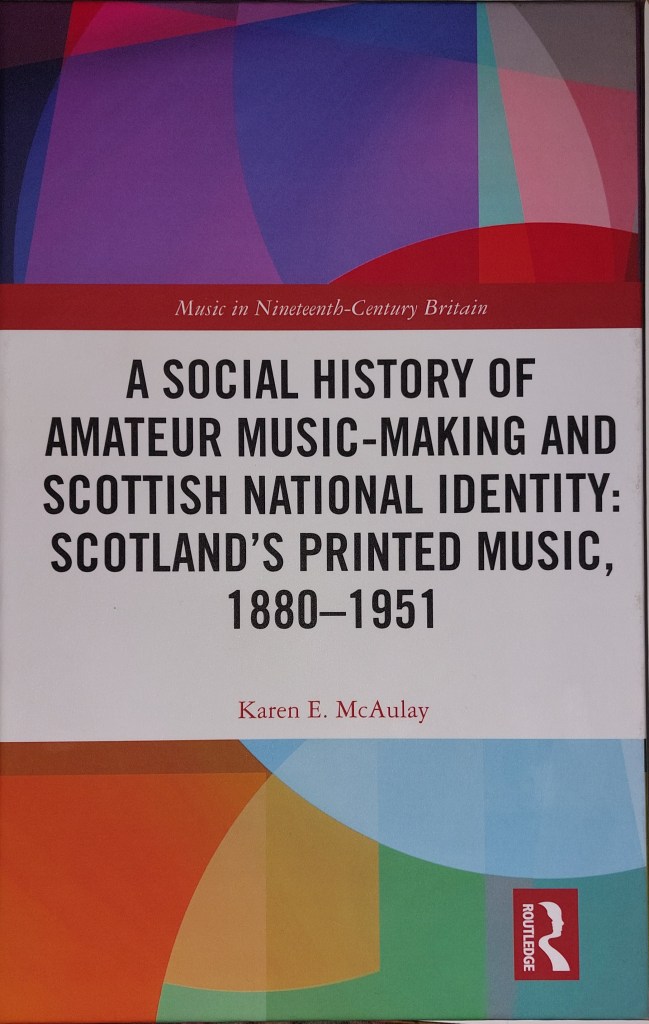
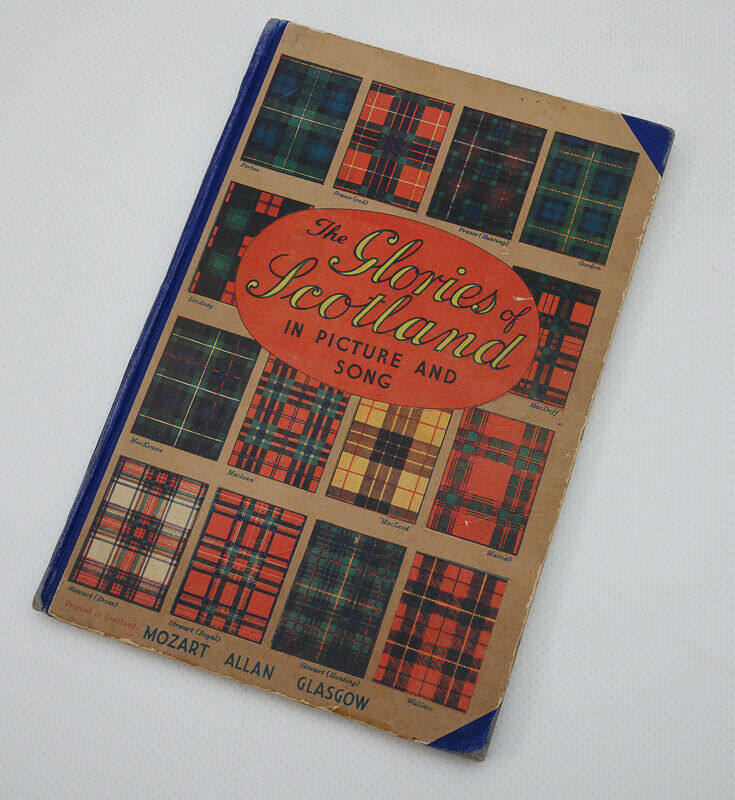
Meanwhile, the book chapter expands on work that I did for my own recent second monograph, A Social History of Amateur Music-Making and Scottish National Identity, focusing on a song collection published in time for the Festival of Britain. And the other article picks up on very different threads from that monograph, but also represents a considerable amount of detailed research since then. I look forward to checking the chapter and dealing with the article.

I do have another article due to be published later this year, too. More of that anon.

When you consider that I’m just beginning to think about a third monograph, it’s all a bit dizzying. Mind you, that won’t be happening immediately. I’m still exploring ideas. (Would it be disloyal to say that this is all so much more fun than cataloguing jazz CDs in my earlier existence …?)

Buses photo: Image by Jm TD from Pixabay

Scholarly Rejection? Get Back in the Saddle!

Brown horse with empty saddle.

Today, after submitting an article to a journal, I suddenly realised that I hadn’t added to my ‘activity log’ for a while. It has been a sombre summer; I went down south twice; did nothing scholarly at all for some five weeks of the summer; and promptly went down with some virus or other when I got back to Glasgow for the second time – so it’s hardly surprising if I took my eye off the ball. Nonetheless, I decided there was no harm in looking out the activity log and updating it. I got quite a surprise. The two rejections earlier this year, coming close after one another, had hurt. I feel a bit sore about the piece I had genuinely thought was accepted one or two years ago, but more recently turned out to be very much not so; and even more sore about the piece that was requested and then kindly but firmly declined. I felt misunderstood!

But it appears that this scholarly year hasn’t been as bad as I thought, notwithstanding those two knocks. I’ve had an article published; and I’ve given a conference paper and two talks. To any ambitious American academic, this probably seems like pathetically small beer, but I’m a British musicologist, I’m 67, and I’m not trying to secure tenure in terms of a full-time academic contract, so it’s all okay. (I could get a dozen articles published in a year, and it would make no difference to my age or status.)

I have a book chapter and a couple more articles accepted and pending publication. Another article accepted subject to revisions, which I’ve submitted – fingers crossed this time! And today’s article just submitted. That doesn’t seem too bad to me. I now have a couple of half-promised articles which I really ought to get on with; another idea for a collaborative article; and the conundrum of a possible third book. (I’m nowhere near writing this illusive thing, but I do have angles to explore, before I can formulate a precise way forward.)

But what I do know, is that the more irons I have in the fire (yes, more cliches – sorry!), the less I mind about the rejections. Maybe I just directed them to a subject area more dissimilar to my own than I realised, so didn’t hit the targets that were expected? In any case, having other things submitted and under consideration at least offers the hope that next time I might be successful.

More irons in the fire …

I wonder what my activity log will look like by the end of the year?!

Image by JamesDeMers from Pixabay

‘You should find that the system is very user-friendly …’

I wrote an article. Revised it. Revised the revisions. I have no problem with this – it’s all intended to make it a better article, and hopefully it is now better. However, I feel less positive about the mechanics of submitting it! You have to use a platform called Manuscript Central. Manuscript Central is a product of the ScholarOne platform.  (It was owned by Thomson Reuters, then Clarivate and is now owned by Silverchair.  Still with me?) I Googled it, and one journal publisher described it as user-friendly.

I’ve used it before. Indeed, I’ve uploaded revisions before.  But today, I couldn’t work out how to do all my re-revisions within the platform. After much huffing and puffing, I did submit a manuscript. I’m less confident as to whether I submitted it correctly! And I dislike feeling thwarted by technology. It doesn’t encourage me!

Confused – but no hair was torn out!

On the positive side – I normally have the greatest difficulty stopping research activity when I stop being a part-time researcher for the day, but today I was more than happy to close the document. Gently, if metaphorically shutting the door behind me!

On Thursday, I’ll turn to the next article for submission.  Hmm, which platform for this one …?

The Value of Using a Sensible, Meaningful Title

AI-generated owl in tweeds, with library shelves in background

Some years ago, I wrote an article about bibliography and paratext – for a librarianship journal, The Library Review. Taking a marketing term, I discussed ways of trying to make bibliographic citation more ‘sexy’, ie, appealing to students.

Oh, how I regretted that article title. Too late, I feared no-one would take it seriously.  All the advice says that an article title should say what it means, directly. 

After all, if we’re going to be very ‘meta’ about it, what attracted you to this blog post? I said it was about article titles, and here I am, writing about them. It does what it says on the can, to use a colloquial expression. If you were looking for advice about entitling your article, you might conceivably have thought you’d arrived at the right place.

So, why hadn’t I just entitled that earlier article,

‘Getting undergraduates interested in library-based teaching: bibliographic citation and historical paratext’

But I didn’t. Library Review Vol. 64 Iss 1/2 pp. 154 – 161 is there for all to see, with that cringeworthy article title:-

‘Sexy’ bibliography (and revealing paratext)

I learned my lesson. Titles have to be plain and meaningful, so that everyone knows exactly what they’re about. No messing.  Otherwise,  the danger is that people looking for conventionally sexy and revealing material might stumble across my pedagogical peregrinations and feel cheated. Whilst pedagogues might not even find my article.  (Which would be a shame.)

Today, however, my line manager was digging about in Pure, our institutional repository. And – well, I’m a bit stunned to find that my poor little article got far and away the most views. Over 8,700 views, to be precise!

If you’re interested in pedagogy, and specifically, in librarians teaching, then I commend it to you. It’s not a bad article. You can access it here.

However, if you’re expecting a sultry-looking librarian in an off-the shoulder chiffon number, then I’m afraid you are going to be bitterly, bitterly disappointed! I reveal only my experimentation in making bibliographic citation and historical paratext interesting to music undergraduates!

AI generated image by Kalpesh Ajugia from Pixabay

Bringing Characters to Life

If I remember one comment from my doctoral viva, it was an observation about my writing.

You really bring the characters to life.

And I smiled inwardly, because for several years prior to that, I had published short stories and even a serial in a women’s magazine. I can write about people.

When it comes to research, though, the real people get so under my skin that I feel I almost know them personally.  Yesterday, I found a few letters where an assistant editor was trying to hurry things along before she left for a new job.  She explained this to her authors. Unusually, their replies were also there, so I looked eagerly for their well-wishing messages, or a word of thanks for her efforts – which had been considerable.

Nothing. Nada. Zilch.

I felt indignant on her behalf, but it was the 1950s. Maybe gentlemen didn’t thank lady assistant editors in those days?  I like to think there might have been a tea-party in the office, at least. I know for a fact that the ladies’ tea-breaks were affectionately referred to as ‘the tea-party’, so hopefully someone baked a cake or some scones for her last day!

Maybe?

It is sometimes, however, possible to read too much into a situation. I was surprised to catch an author suddenly writing ‘Dear Madam’ and ‘Yours faithfully’ to someone he’d been writing to for months. And yes, the recipient accordingly responded, ‘Dear Sir’.  I think it was a momentary blip. Maybe Sir’s secretary didn’t remember the recipient’s name.  Anyway, friendly terms resumed after that, so all was well!

Moving with the Times: from Magic Lanterns to Silent Movies

My new schedule entails thinking about an Edinburgh publisher whilst I’m in Edinburgh, and writing about various other aspects of my research on my Glasgow days.

I have an article I’m actively gearing up to write; another requiring tweaking; a couple more requested; and lastly, a new avenue for which I’ve identified a journal, but not yet completed the research. Quite a bit of writing!

But first, in the first article, we have the soprano and her repertoire.  And her ‘go-to’ encore.  And if you thought I got excited about magic lanterns – new technology for late Victorians – well, you can imagine my excitement at the thought that I may need to watch a silent film soon.

Why? A musicologist watching something in silence?  What does silence have to do with music (apart from John Cage’s 4’33”, of  course)?

You see, I think this film may have influenced her choice of encore. So, firstly, I’m awaiting an eBay copy of the novel on which the movie was based.  And then, I’m waiting to find out if I can watch the movie without leaving Scotland.

She wasn’t a film actress herself, so my whole quest is a bit tangential – I’m not thinking about nipping down to London unless it’s absolutely unavoidable. But I could  …

Meanwhile, I reflect that watching silent moving pictures must have been enormously exciting if you had grown up with the occasional magic lantern show.  And when, in due course, talkies came in … it’s hard to imagine how amazing that must have been.  Small wonder that printed music took a bit of a nosedive in the late 1920s – the options for entertainment outside the house were expanding all the time.

I’m eagerly awaiting news of my chances to watch this intriguing spectacle!

Season’s Greetings! Even Research Fellows Take a Break …

So, the book was published. What next, you ask? Well, I’ve recently submitted a couple of articles, one about some women related to Scottish music publishers, and one about an 18th-19th century supporter of Highland culture. I’m patiently waiting to hear if either article finds a home – and impatiently waiting to see if the book gets decent reviews! I see a couple of libraries have already got it in stock, which is comforting.

Now, I have an article to write (about two famous Scottish singers) and then in January I’m off on a postdoctoral research fellowship at the University of Edinburgh. These are exciting times!

Twirling like a Top?

However, first it’s time for the crescendo of Christmas to reach its peak, and then a few days of diminuendo and rallentando to a graceful pause. I generally find that after I’ve recovered from organising the family festivities, I’m raring to get going on some writing, so hopefully I’ll get that article at least drafted before I embark on the Edinburgh adventure.

Meanwhile, I hope everyone gets just the right balance of rest, relaxation and fun. If it’s a quiet or subdued time for you, then I hope that you’ll find solace in the small things, and the comfort and companionship of friends.

Back soon!